The Tab field guide

Useful answers for real-life routines.

Twenty-five practical guides

Start with the question in front of you.

Every guide gives the short answer first, then shows the reasoning, practical choices and sources behind it.

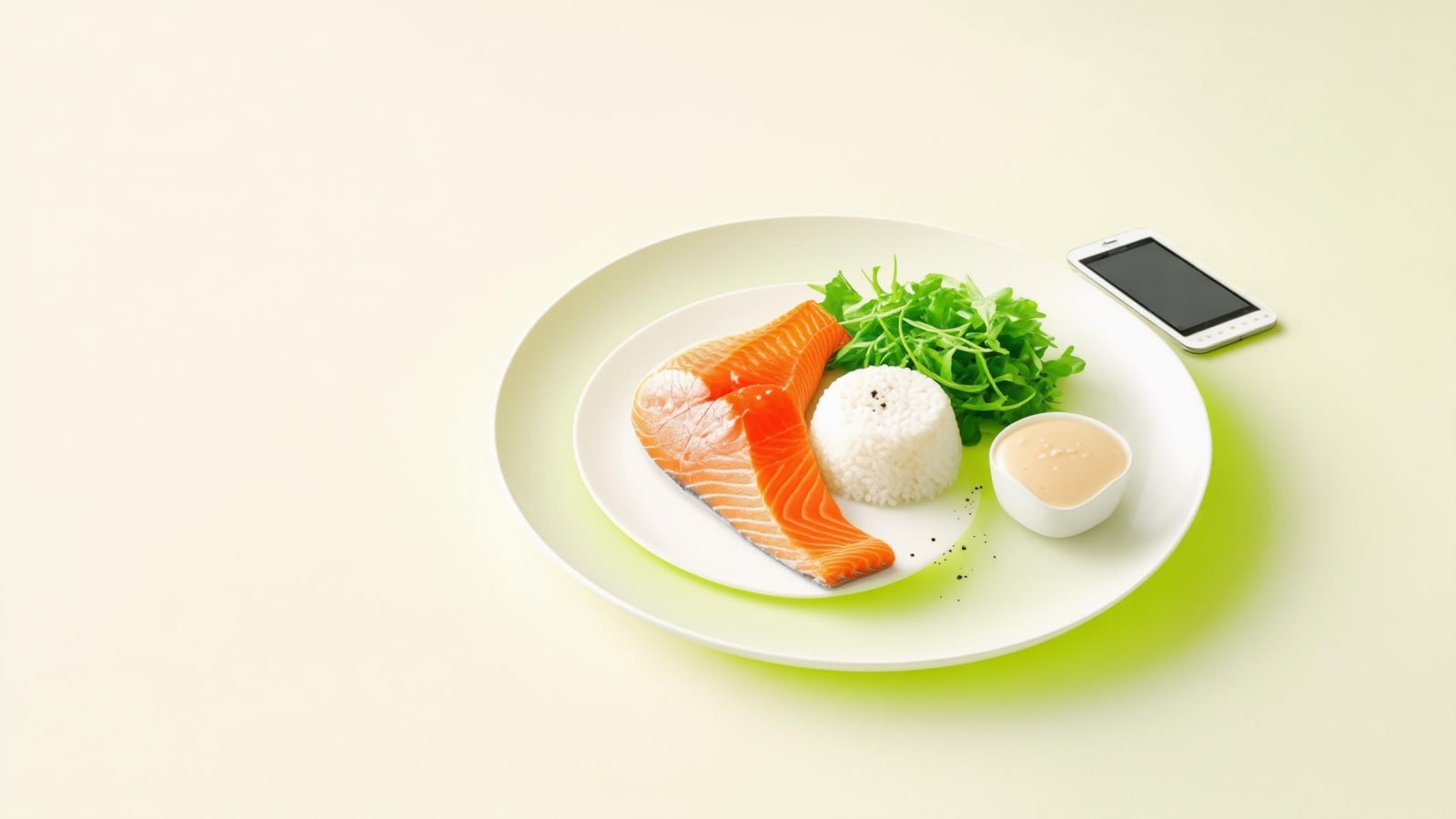
Overhead meal beside a phone with a blank review screen and clearly separate food components

Food logging · 4 min read

How Photo Calorie Scanning Works — and Where Estimates Go Wrong

A photo scan is a fast first draft, not a measurement. It can identify visible foods and suggest portions, but the useful result comes from matching those foods to nutrition records and letting you correct portions, preparation, and hidden extras before saving.

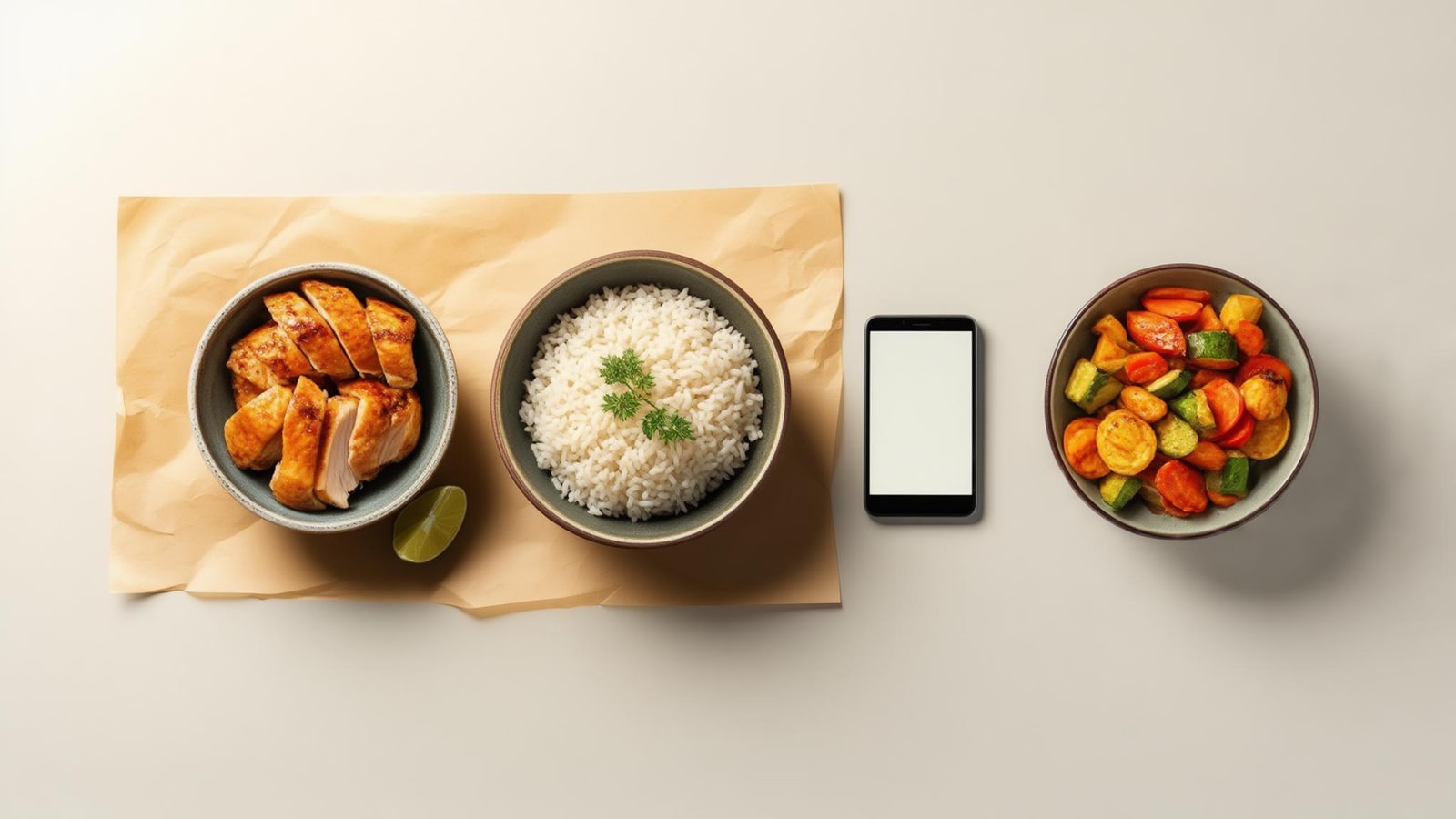
Separated cooked chicken, rice, and vegetables beside a blank phone ready for a verified food record

Food logging · 4 min read

Why Tab Never Lets AI Invent Calories

Tab allows a vision model to identify foods and estimate portion grams, but it does not accept calorie or nutrient values from that model. Nutrition is calculated from matched food-database records so each number has a food identity, portion, and correction path.

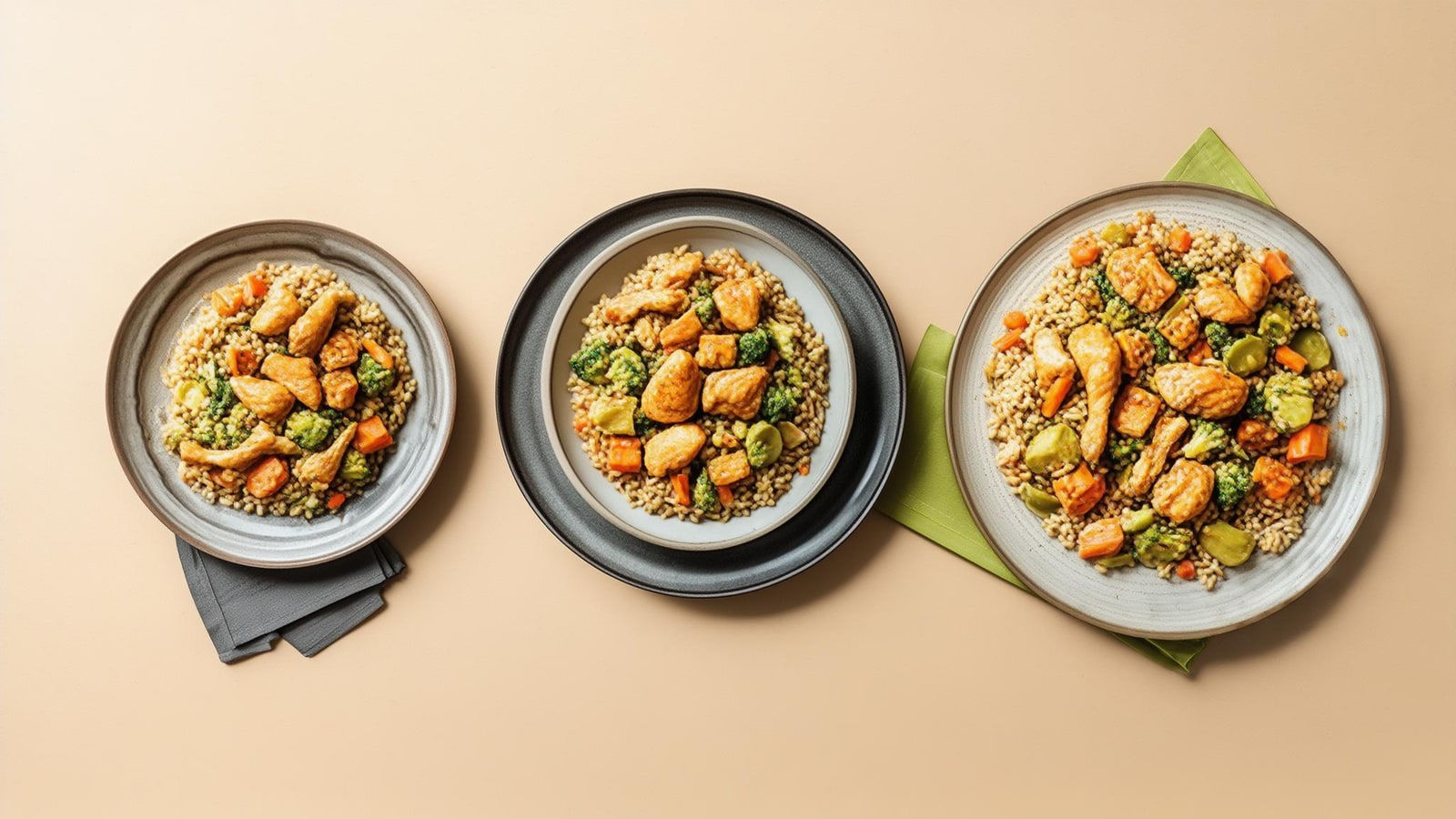
Three matching plates showing realistically different portions of the same rice, chicken, and vegetable meal

Food logging · 4 min read

How Portion Size Changes a Calorie Estimate

For a matched food record, nutrition changes in direct proportion to the edible gram weight. A 50 percent larger portion produces roughly 50 percent more of every nutrient in that record, which is why correcting the amount often matters more than chasing a different entry.

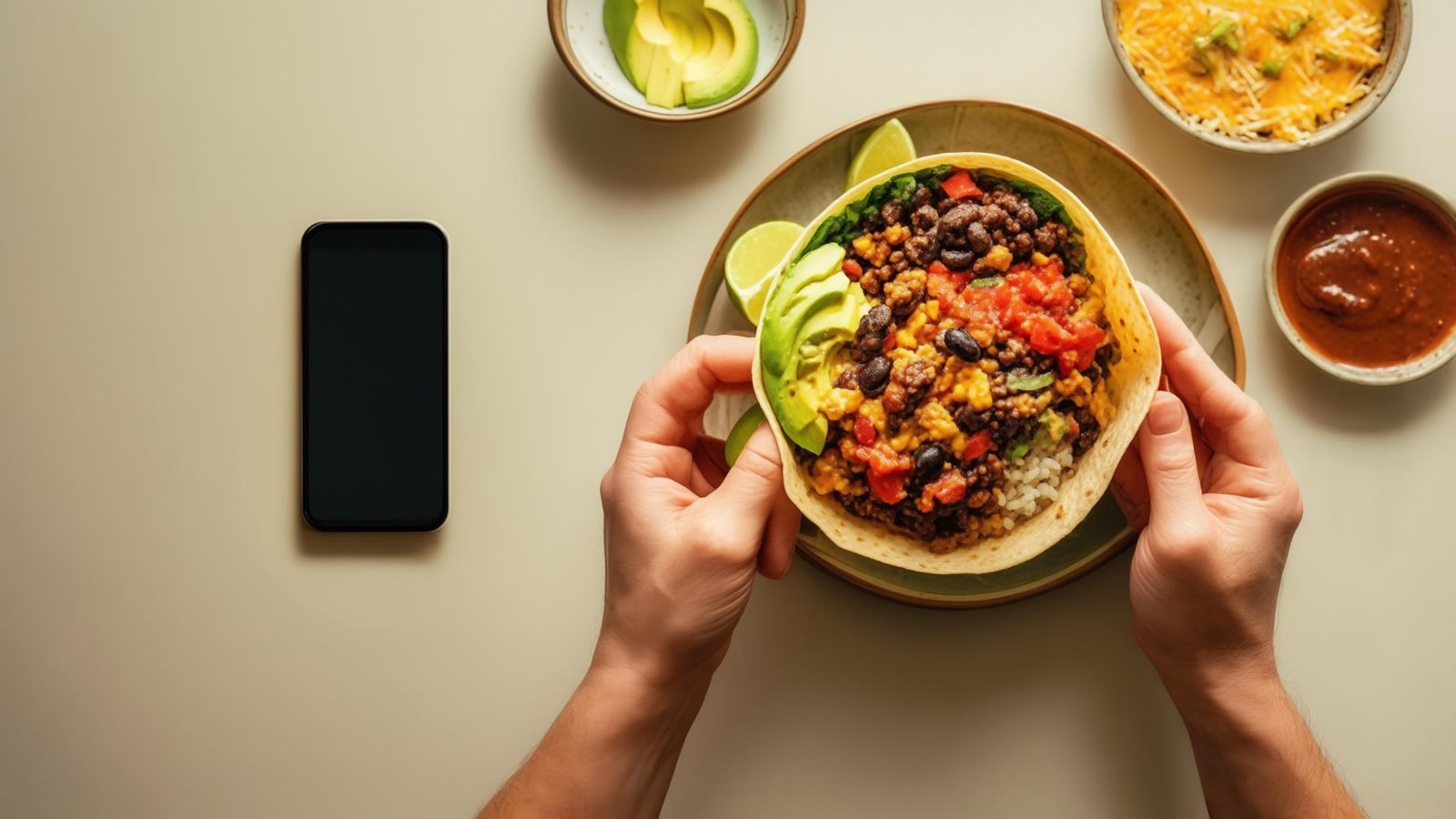
Natural hands reviewing a meal beside a blank phone and separate sauce and topping portions

Food logging · 4 min read

How to Correct a Food Scan Without Starting Over

Keep the useful parts of a scan and correct only what changes the result: verify the main foods, choose the right preparation, adjust portions, add hidden extras, and remove duplicates. If one component is uncertain, replace that component instead of rebuilding the whole meal.

Filling dinner with vegetables, protein, grain, and a small enjoyable side on an everyday table

Nutrition · 4 min read

How to Start a Calorie Deficit Without Making Every Meal Miserable

Start with a reasonable estimate of your needs, make a modest reduction you can sustain, and protect meal volume, protein, produce, and foods you enjoy. Watch a multi-week trend and adjust gradually instead of reacting to one hungry day or one scale reading.

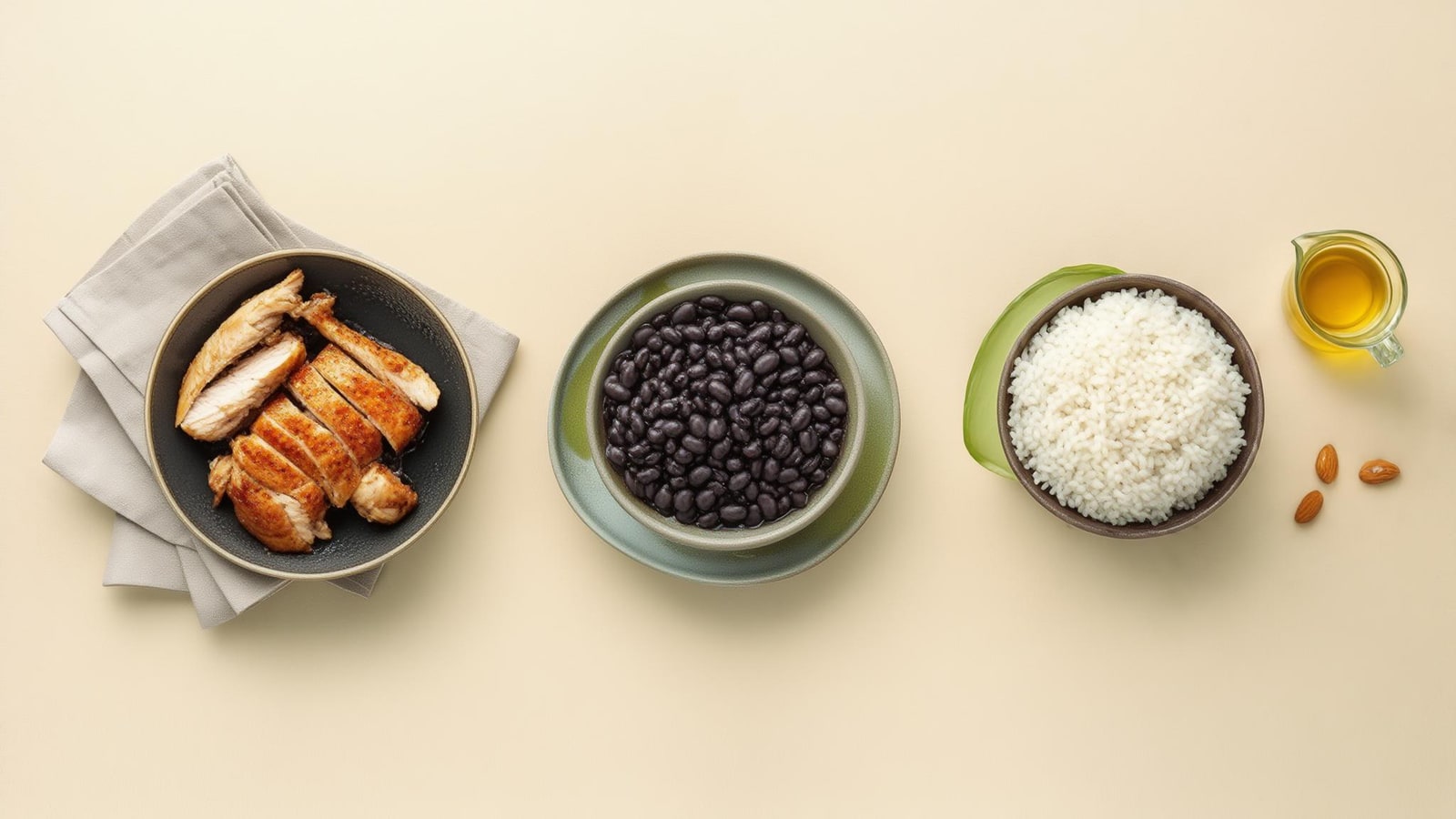
Three separated groups of chicken and beans, cooked rice, and almonds with olive oil on a warm table

Nutrition · 4 min read

Protein, Carbs, and Fat: A Practical Guide to Setting Macros

Set total energy first, choose a practical protein target, keep enough fat for a varied diet, and let carbohydrate fill much of the remaining space according to activity and preference. Treat macro targets as flexible ranges, not three daily pass-or-fail tests.

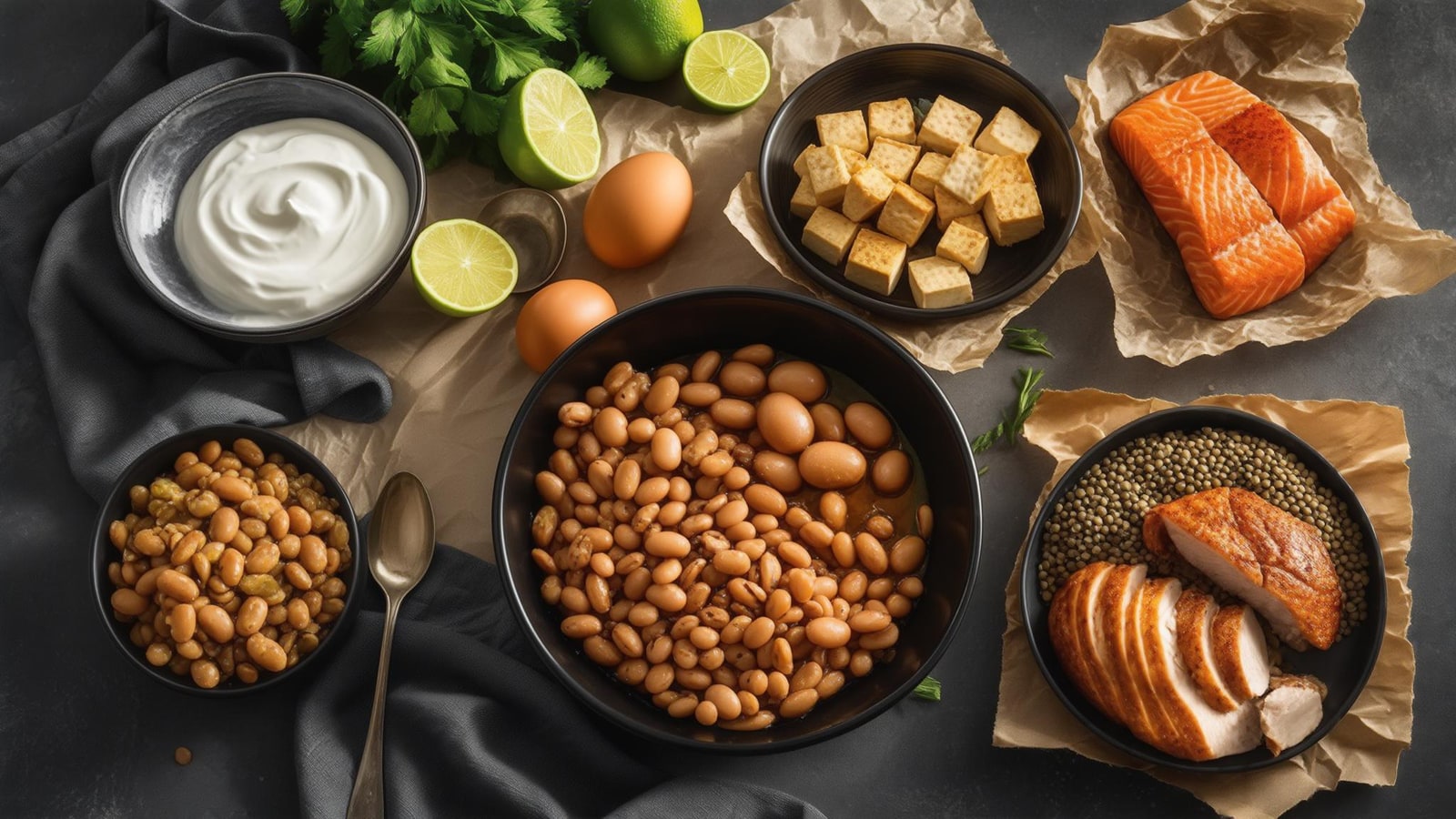
Realistic grocery spread of yogurt, eggs, tofu, beans, fish, chicken, and lentils

Nutrition · 4 min read

High-Protein Foods That Fit an Everyday Grocery List

Choose several protein foods you already enjoy across refrigerated, frozen, and shelf-stable categories. Pair quick options with ingredients for cooked meals, compare labels when products vary, and buy enough variety that reaching protein does not mean eating the same dish every day.

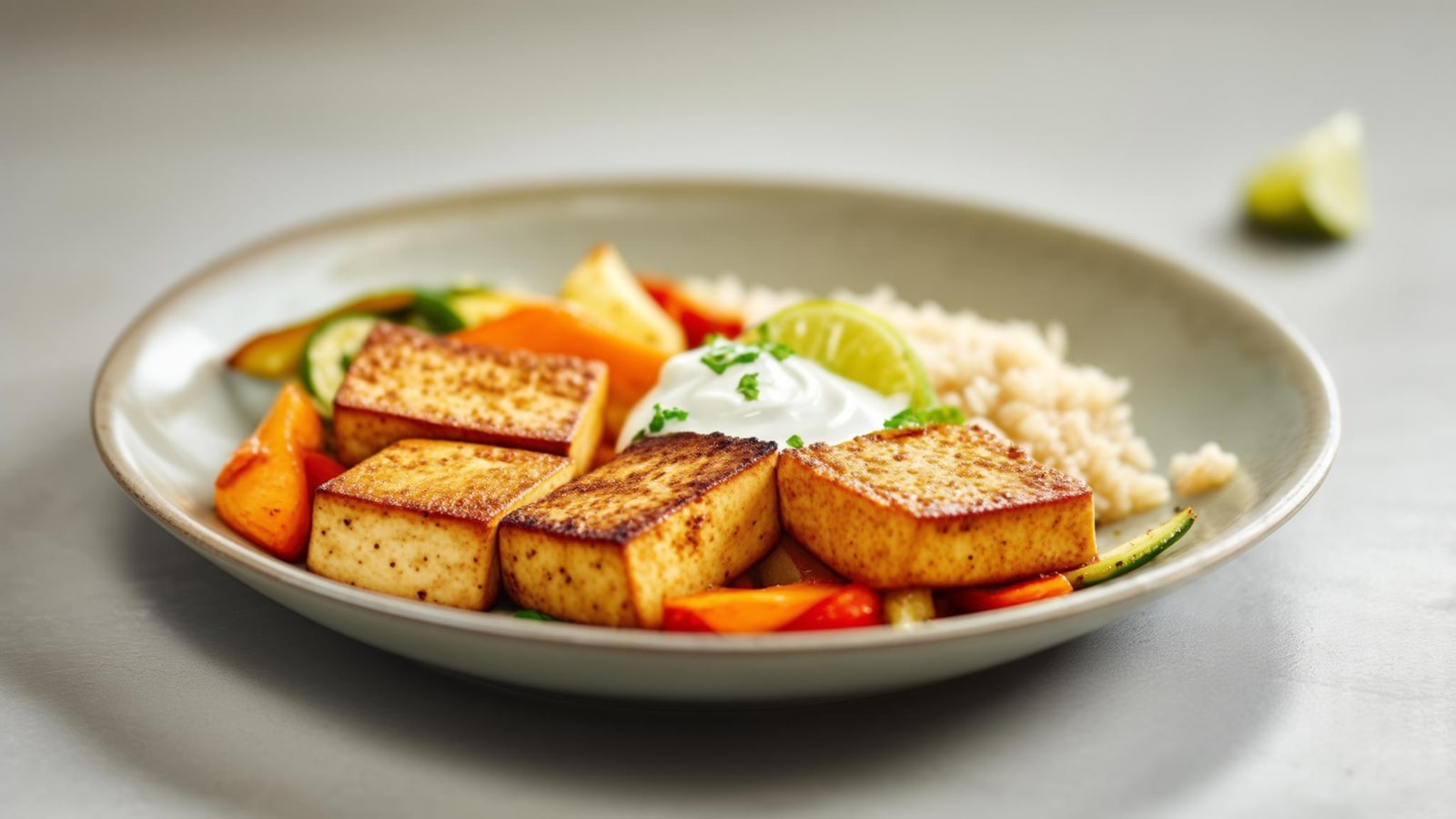
Simple evening meal with a clear protein centerpiece and flexible vegetable and grain sides

Nutrition · 4 min read

What to Eat When You Have Calories Left but Need More Protein

Start with the size of the remaining meal, choose a protein-dense base, then add produce, carbohydrate, fat, and flavor to match your appetite. The closest practical option is better than chasing an exact calorie-and-protein intersection with an unsatisfying plate.

Bathroom scale beside a blank paper chart represented by loose points and a smooth thread

Nutrition · 4 min read

Why Daily Scale Weight Changes — and What Trend to Watch Instead

Daily scale weight includes more than body fat: water, stored carbohydrate, food and drink in digestion, and measurement conditions all move the number. Compare consistent weigh-ins and use a multi-day or multi-week trend instead of treating one reading as a verdict.

Adult beginner with an average body practicing a controlled bodyweight box squat in a welcoming gym

Fitness · 4 min read

Strength Training for Beginners: A Simple First-Month Framework

For a simple first month, train the major muscle groups on two nonconsecutive days each week, practice a small set of stable movements, stop with good technique still available, and add repetitions or resistance gradually as the sessions become comfortable.

Walking shoes and modest dumbbells arranged beside a blank weekly planning page

Fitness · 4 min read

Cardio and Strength Training: How to Combine Them During Fat Loss

Keep both: strength training supports muscular fitness, while aerobic activity supports cardiorespiratory health and increases movement. Put the session most important to you first, separate demanding workouts when practical, and reduce total stress when recovery or performance declines.

Comfortable walking shoes, water, and a closed book suggesting a low-key recovery day

Fitness · 4 min read

How Many Rest Days Do You Need?

There is no universal rest-day count. Most people should avoid training the same muscles hard on consecutive days, distribute difficult sessions across the week, and add recovery when performance, soreness, sleep, or enthusiasm deteriorates beyond normal short-term variation.

Blank phone beside an everyday breakfast and three simple objects suggesting a calm routine

Habits · 4 min read

The Consistency Toolkit: Small Habits That Make Food Tracking Easier

Make tracking easier by logging close to the meal, saving verified repeats, keeping a fallback for uncertain food, and reviewing patterns on a schedule. Aim for a useful record, not a flawless one, and treat returning after a missed entry as part of the habit.

Restaurant grain bowl beside a phone and folded menu with no readable nutrition claims

Food logging · 5 min read

How to Log Restaurant Meals Without Pretending the Estimate Is Exact

Start with nutrition published for the exact restaurant item when it exists. Otherwise estimate the major components, cooking fats, sauces, and drinks from the strongest evidence available, then accept a wider uncertainty range instead of forcing a precise-looking number.

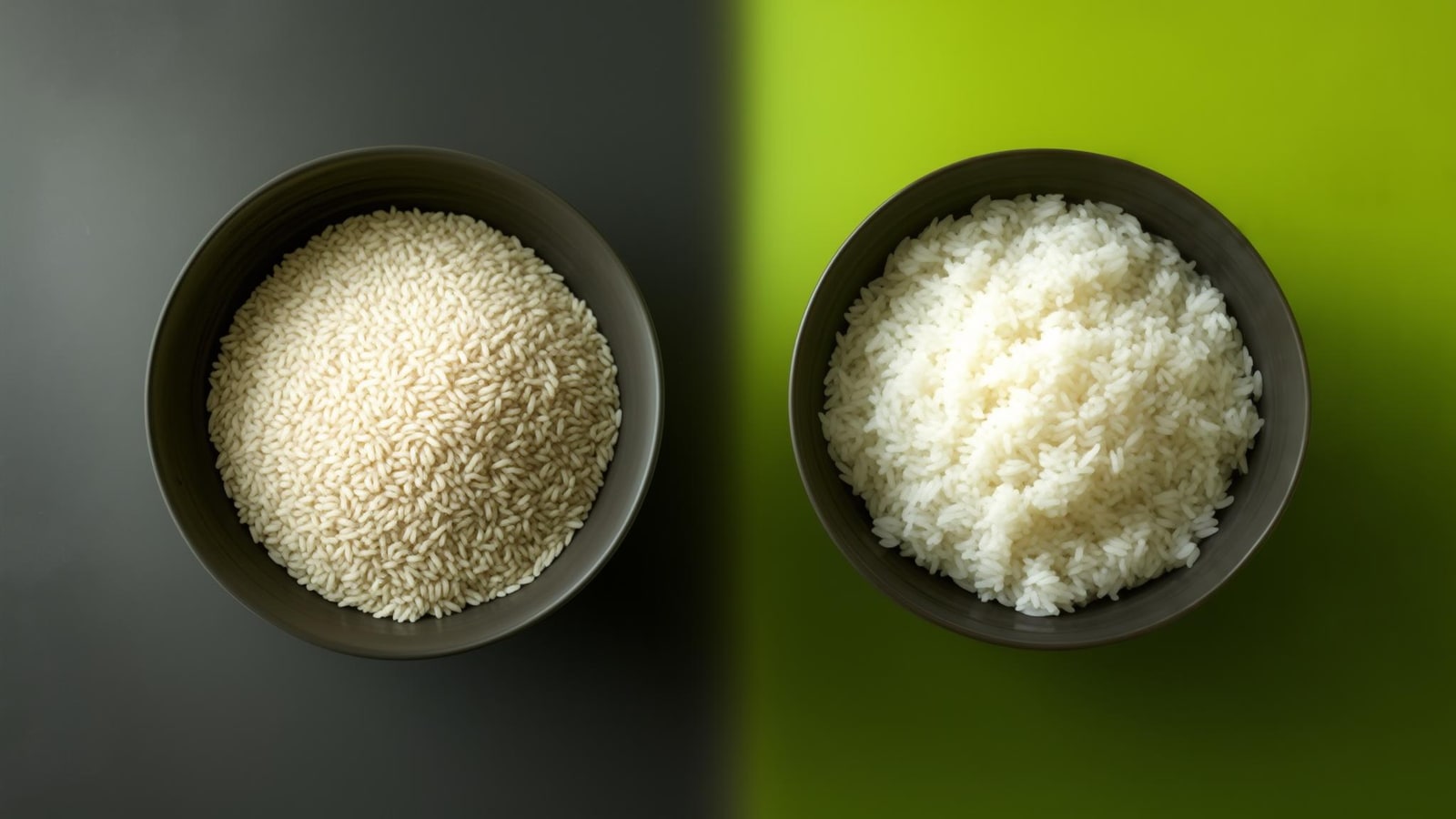
Dry rice and cooked rice in two clearly separated bowls on a warm kitchen counter

Food logging · 5 min read

Cooked vs. Raw Food Weights: Which One Should You Log?

Log the food in the state you weighed it. Use a raw record for a raw weight and a cooked record for a cooked weight. Cooking changes water and sometimes fat, so the same food can have a different weight and nutrient concentration after preparation.

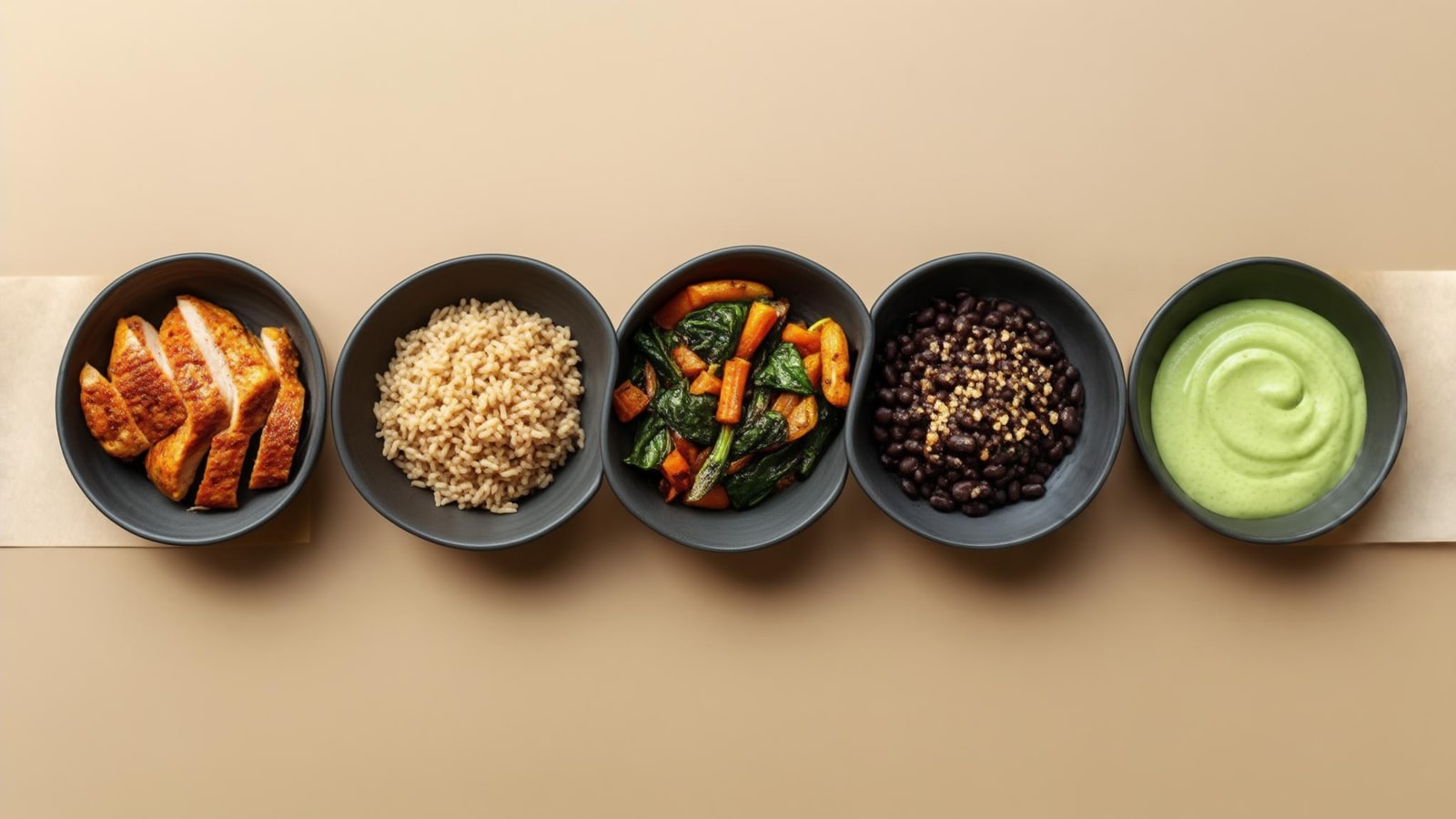
Colorful everyday plate with vegetables, grains, protein, and a simple dressing

Nutrition · 4 min read

How to Build a Balanced Plate Without Tracking Every Gram

Build most meals from a produce component, a protein source, a grain or other starch when wanted, and flavor or fat that makes the meal satisfying. Treat the plate as a flexible visual prompt, not a prescription or a substitute for individualized nutrition care.

Oats, berries, lentils, vegetables, whole-grain bread, and nuts on a kitchen table

Nutrition · 4 min read

How Much Fiber Do You Need — and How Should You Increase It?

Adult fiber needs vary, and general guidance commonly falls between 22 and 34 grams a day depending on age and sex. Increase fiber gradually, spread it across foods and meals, and drink enough fluid rather than making a sudden jump that leaves you uncomfortable.

Refillable water bottle, sparkling water, tea, and water-rich fruit in natural light

Nutrition · 4 min read

Hydration: What Counts and When Might You Need More?

Water, other beverages, and water-rich foods all contribute to fluid intake. Needs vary by person and circumstance, especially with heat, physical activity, pregnancy, breastfeeding, fever, vomiting, or diarrhea, so use context and symptoms instead of a universal eight-glass rule.

Beginner recording a controlled dumbbell workout beside a simple training notebook

Fitness · 4 min read

Progressive Overload for Beginners: How to Keep Getting Stronger

Progressive overload means gradually asking your muscles to do more over time. Add a small amount only after your current work is controlled and repeatable; progression can come from load, repetitions, sets, range of motion, or better execution—not from making every workout maximal.

Two adults taking a relaxed neighborhood walk in practical everyday clothing

Fitness · 4 min read

How to Build a Walking Routine You Can Actually Sustain

Start with a duration and pace you can repeat, attach walks to reliable cues, and add time or frequency gradually. Brisk walking can contribute to adult aerobic-activity guidance, while easier walking still adds movement and can be a practical starting point.

Athlete calmly assessing a sore leg beside a gym bench and water bottle

Fitness · 4 min read

Muscle Soreness After Exercise: Recovery, Training, and Warning Signs

Delayed muscle soreness commonly follows unfamiliar or demanding exercise and often develops after the session. Reduce or change training when soreness meaningfully alters movement, and stop activity for sharp pain or concerning symptoms; persistent or severe problems deserve professional evaluation.

Open food journal beside a simple breakfast ready for a calm fresh entry

Habits · 4 min read

How to Return to Food Tracking After Missing a Day

Resume with the next meal you can record accurately. Add a broad estimate for the gap only when it provides useful context, and do not invent details or wait for a new week. Design a smaller fallback so future busy days are easier to capture.

Friends sharing a relaxed weekend table with varied dishes and room for conversation

Habits · 4 min read

Weekend Eating Without Starting Over Every Monday

Keep a few weekday anchors, plan for the social meal you actually expect, and use honest estimates when exact information is unavailable. A weekend does not require restriction beforehand or a Monday reset; it needs a flexible version of the same overall routine.