Plan the week you actually have
Look at the calendar before choosing recipes. Mark late workdays, training, family commitments, and meals likely to happen away from home. Assign the easiest food to the hardest days. If Wednesday ends at 8 p.m., Wednesday is not the place for a forty-minute recipe unless cooking is how you want to unwind. Planning begins with constraints, not an idealized Sunday version of yourself.
Choose three kinds of nights: cooked, assembled, and backup. A cooked night might produce extra roasted chicken or tofu. An assembled night turns those leftovers into wraps or bowls. A backup night uses frozen vegetables, eggs, canned beans, soup, or another complete option that waits safely. Leave one slot unplanned for leftovers, invitations, or appetite changes. Filling every square can create waste rather than control.
Evidence for this section: National Institute of Diabetes and Digestive and Kidney Diseases
Prepare components that can change identity
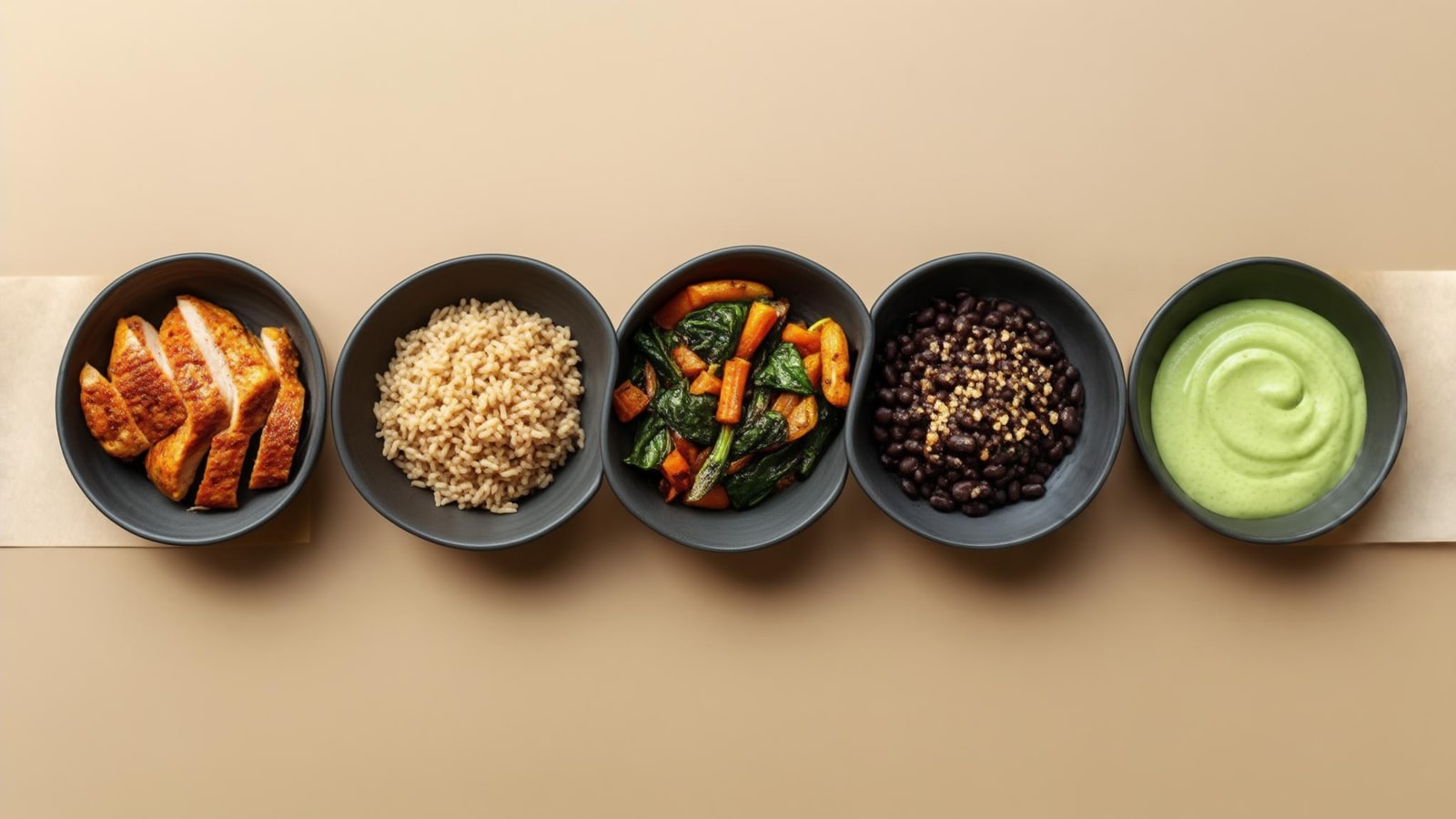
Select two proteins, two or three vegetables, and one or two starches that share cooking time or equipment. Roast a tray of vegetables while rice cooks and a protein bakes. Wash greens, mix a sauce, and portion a snack while the oven is working. You now have building blocks, not identical containers. Dietary guidance values variety across food groups; modular preparation makes that possible without seven separate cooking sessions.
Change the format. Rice, vegetables, and chicken can become a warm bowl with salsa, a wrap with crunchy greens, or a soup with broth and beans. Tofu can move from noodles to curry. Lentils can become salad, pasta sauce, or a side. Contrast matters: alternate warm and cold, crisp and soft, spicy and mild. A different sauce cannot hide a meal you dislike, but it can keep reliable ingredients from feeling repetitive.
Evidence for this section: U.S. Department of Health and Human Services and U.S. Department of Agriculture
Give convenience a planned role
Useful shortcuts include frozen produce, bagged salad, microwave grains, canned legumes, rotisserie chicken, pre-cut vegetables, jarred sauces, and prepared soups. Compare labels where sodium, allergens, or other needs matter. Convenience foods can sit beside minimally processed ingredients; the week does not need a purity rule. The practical question is whether the option helps you assemble a satisfying meal when time and energy are limited.
Create two backup combinations that require almost no decision. Examples include eggs, toast, and frozen vegetables; canned salmon, microwave rice, and cucumber; bean soup with bread and fruit; or yogurt, oats, fruit, and nuts. Keep the ingredients together and replace them after use. A backup must be easier than the alternative it is meant to replace. A frozen ingredient that needs a missing sauce and forty minutes of preparation is not yet a backup meal.
Evidence for this section: U.S. Department of Health and Human Services and U.S. Department of Agriculture
Plan quantities without creating waste
Estimate how many home meals each person will actually eat and buy for those occasions. Prepare less of ingredients that lose quality quickly and more of items that freeze well. Cool cooked foods promptly and follow food-safety storage guidance. Label freezer portions with the item and date. When leftovers accumulate, schedule a “choice plate” night where everyone combines remaining components rather than cooking a fresh recipe over them.
Save the meals that worked, including realistic portions and substitutions. A repeat meal in Tab can reduce logging work once you have verified the ingredients. Update it when the recipe changes rather than assuming every bowl is identical. This is where planning and tracking reinforce each other: a known batch improves the log, and the log shows whether the prepared quantity actually covered the intended meals.
Evidence for this section: USDA Food Safety and Inspection Service
Use a fifteen-minute weekly reset
After the week, ask what was eaten, what was wasted, and where the plan required too much effort. Keep one successful combination, replace one weak link, and shorten the next list. NIDDK and CDC behavior guidance favors specific, realistic plans and returning after setbacks. A missed cooking night is information about the system, not proof that planning failed. The aim is a small menu of flexible defaults that makes busy decisions easier while preserving room for appetite, culture, pleasure, and change. Carry one useful lesson forward instead of automatically adding more recipes or stricter rules.
Keep a compact flavor kit to make repeated components feel different: perhaps one herb-heavy sauce, one spicy condiment, citrus or vinegar, and a crunchy topping. Choose versions your household will actually use and account for portions when they meaningfully affect the meal. Pair that kit with two formats, such as bowls and wraps, before adding another batch recipe. Variety can come from assembly and seasoning while the underlying shopping list remains short, which lowers preparation work and makes the plan easier to revise midweek. Replace only the parts that repeatedly go unused.
Evidence for this section: National Institute of Diabetes and Digestive and Kidney Diseases · Centers for Disease Control and Prevention
Important context
This article provides general information for adults and is not individualized medical, nutrition, or exercise advice. Talk with a qualified health professional about needs related to a health condition, pregnancy, medication, injury, or eating-disorder history.
Sources
- Dietary Guidelines for AmericansU.S. Department of Health and Human Services and U.S. Department of Agriculture · Accessed 2026-09-11
- Eating and Physical Activity to Lose or Maintain WeightNational Institute of Diabetes and Digestive and Kidney Diseases · Accessed 2026-09-11
- Steps for Losing WeightCenters for Disease Control and Prevention · Accessed 2026-09-11
- Leftovers and Food SafetyUSDA Food Safety and Inspection Service · Accessed 2026-09-11
About these guides
Tab publishes conservative, evidence-led explanations for everyday food logging and fitness decisions. Estimates remain estimates, and individual needs vary.
Read our editorial standardsKeep reading
Related guides
Nutrition · 4 min read
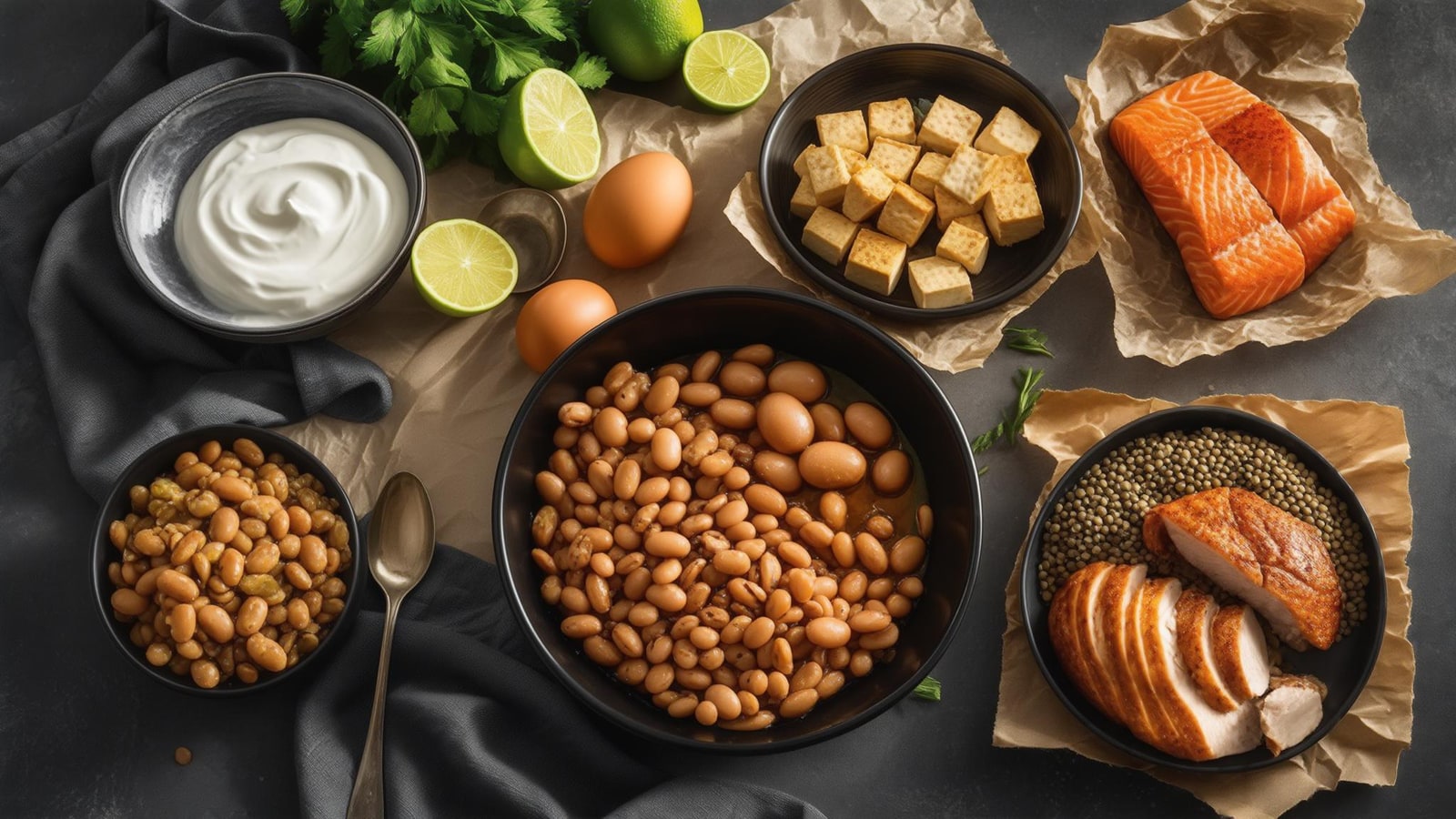
High-Protein Foods That Fit an Everyday Grocery List
Choose several protein foods you already enjoy across refrigerated, frozen, and shelf-stable categories. Pair quick options with ingredients for cooked meals, compare labels when products vary, and buy enough variety that reaching protein does not mean eating the same dish every day.
Nutrition · 4 min read
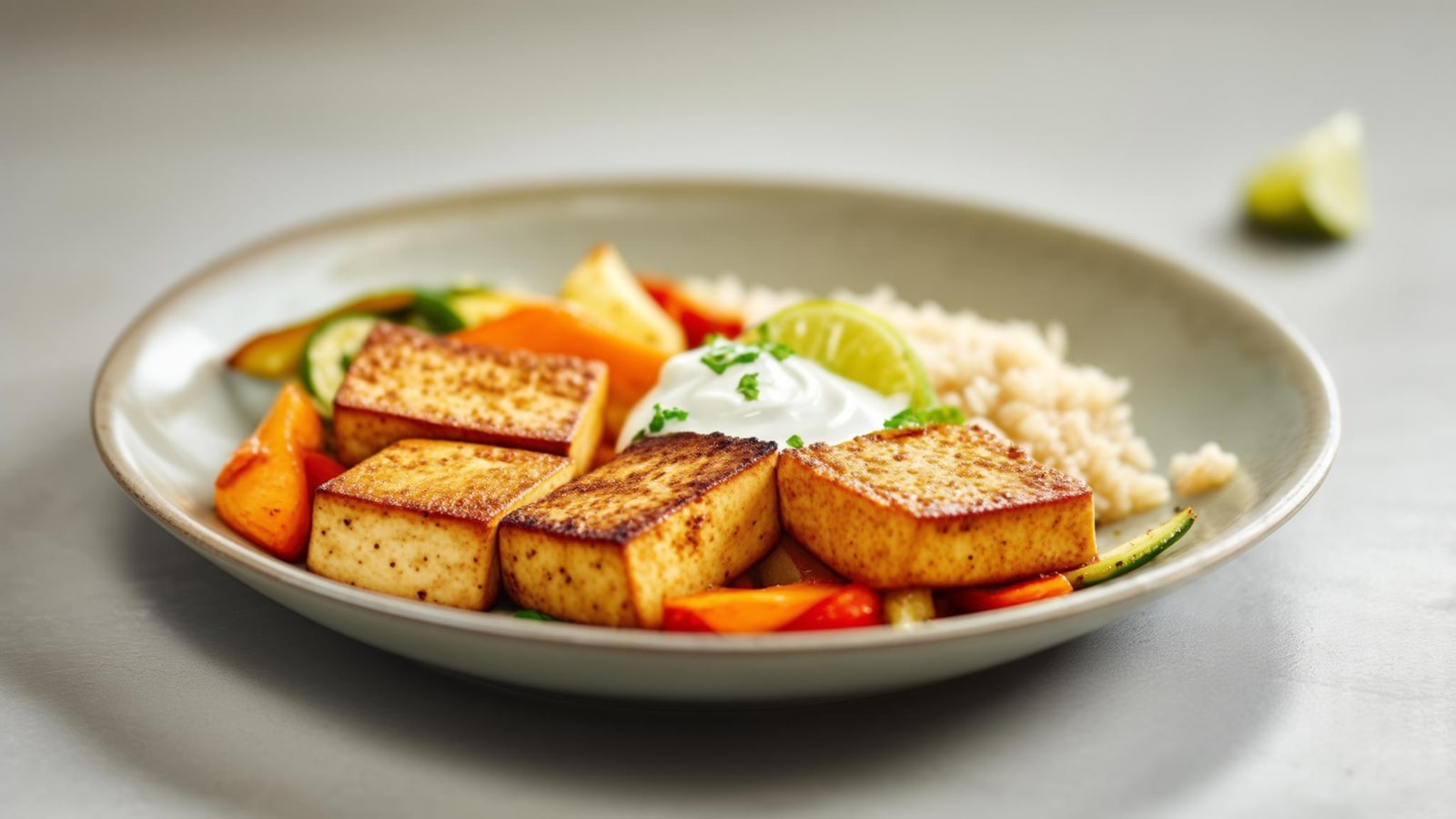
What to Eat When You Have Calories Left but Need More Protein
Start with the size of the remaining meal, choose a protein-dense base, then add produce, carbohydrate, fat, and flavor to match your appetite. The closest practical option is better than chasing an exact calorie-and-protein intersection with an unsatisfying plate.

Habits · 4 min read
The Consistency Toolkit: Small Habits That Make Food Tracking Easier
Make tracking easier by logging close to the meal, saving verified repeats, keeping a fallback for uncertain food, and reviewing patterns on a schedule. Aim for a useful record, not a flawless one, and treat returning after a missed entry as part of the habit.