Decide whether you need a meal or a snack
A remaining number does not tell you how hungry you are. If dinner is still ahead, build a normal meal. If you have eaten dinner and feel comfortably full, you do not need to force food solely to make a dashboard exact. If hunger is present and protein is lower than intended, choose a snack or small meal that makes sense for the time and your preferences. Treat both calories and protein as ranges with context.
Also check why the gap appeared. A breakfast and lunch built mostly from low-protein foods may leave a large target for evening. Repeatedly solving that with a giant late meal is harder than distributing protein earlier. Today’s answer can be a practical dinner; tomorrow’s improvement may be yogurt at breakfast, beans at lunch, or a larger serving of the protein already on the plate.
Evidence for this section: U.S. Department of Health and Human Services and U.S. Department of Agriculture
Choose a protein-dense base
Protein density means useful protein relative to the energy and portion, not that one food is universally superior. Lean poultry, fish, shellfish, egg whites plus whole eggs, nonfat or lower-fat Greek yogurt, cottage cheese, tofu, seitan, edamame, and some protein-fortified products can supply substantial protein without using the full meal budget. Beans and lentils provide protein with carbohydrate and fiber, which can be ideal when more energy remains.
Use the product label or a suitable database record because brands and preparations differ. Breaded fish is not the same as plain fish; sweetened yogurt differs from plain; firm tofu may differ from silken. Pick what you actually want to eat, then scale the portion. A “leanest possible” choice is unnecessary when there is room for sauce, starch, or fat that makes the meal more satisfying.
Evidence for this section: Journal of the International Society of Sports Nutrition via PubMed Central · USDA Agricultural Research Service
Complete the plate instead of eating a macro
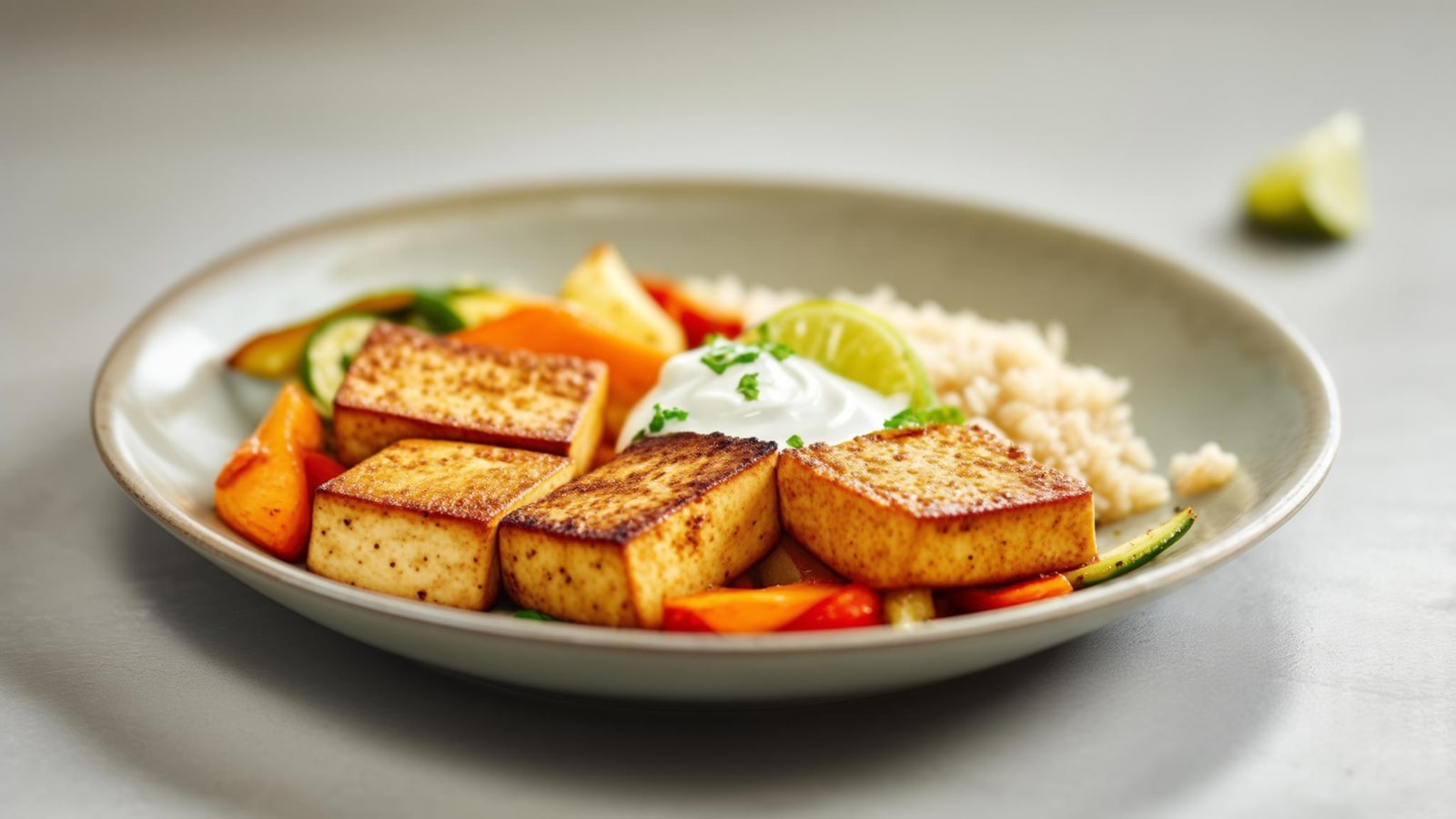
Once the base is chosen, add components according to the remaining space and hunger. With plenty of calories left, pair chicken, tofu, or fish with rice, potatoes, bread, or pasta, plus vegetables and a flavorful fat or sauce. With less room, use fruit, vegetables, broth-based soup, salsa, herbs, citrus, or measured dressing. The objective is a coherent meal, not a pile of plain protein beside an empty plate.
Examples include yogurt with berries and cereal; eggs with toast and vegetables; tuna mixed with yogurt or mayo and served on crackers; tofu with frozen vegetables and microwave rice; lentil soup with added chicken or edamame; or cottage cheese with fruit and nuts. These are patterns, not prescriptions. Portions and ingredients should change with dietary needs, allergies, culture, appetite, and available foods.
Evidence for this section: U.S. Department of Health and Human Services and U.S. Department of Agriculture
Use a closest-fit rule
Here is a Tab Editorial Team rule of thumb, not a clinical threshold: a suggestion that is 40 calories away but enjoyable and available can be more useful than a mathematically exact combination requiring ingredients you do not have. Tab’s meal suggestions are ranked against what remains in the day and practical context; the first result is the closest option in the current set, not a promise to match every target exactly. You remain responsible for selecting and adjusting the meal.
Let context break the tie
If every option seems awkward, prioritize the constraint that matters today. Before demanding training, a complete meal with carbohydrate may be preferable to maximizing protein density. On a quiet evening, a smaller protein-focused snack may fit. If total food intake is already low, chasing protein while suppressing calories further can undermine energy and variety. Numbers should organize choices, not erase appetite and context.
Evidence for this section: U.S. Department of Health and Human Services and U.S. Department of Agriculture · Journal of the International Society of Sports Nutrition via PubMed Central
Prevent the same gap tomorrow
Review the earlier meals without blame. Could you enlarge an existing protein portion, add one pantry item, or choose a different snack? Keep one emergency option at work or home. Save two repeat meals that reliably fit. Small distribution changes usually feel easier than repeatedly rescuing the target at night. Some days will still differ, and that is ordinary. Look for a weekly pattern and a workable routine rather than expecting three exact macro landings every day. If the gap is rare, it may require no system change.
Check the rest of the day before selecting a narrow protein fix. If produce, carbohydrate, or total food is also low, a complete meal may serve you better than the highest-protein item per calorie. If hunger is absent because the target was only an estimate, forcing an extra snack may not improve the day. Repeated gaps deserve attention; isolated ones can remain ordinary variation. The decision should account for appetite, upcoming activity, sleep timing, dietary variety, and any guidance specific to your health. Tomorrow offers another chance to distribute meals more evenly across the day.
Evidence for this section: U.S. Department of Health and Human Services and U.S. Department of Agriculture · Journal of the International Society of Sports Nutrition via PubMed Central
Important context
This article provides general information for adults and is not individualized medical, nutrition, or exercise advice. Talk with a qualified health professional about needs related to a health condition, pregnancy, medication, injury, or eating-disorder history.
Sources
- International Society of Sports Nutrition Position Stand: Protein and ExerciseJournal of the International Society of Sports Nutrition via PubMed Central · Accessed 2026-09-11
- Dietary Guidelines for AmericansU.S. Department of Health and Human Services and U.S. Department of Agriculture · Accessed 2026-09-11
- About Us: FoodData CentralUSDA Agricultural Research Service · Accessed 2026-09-11
About these guides
Tab publishes conservative, evidence-led explanations for everyday food logging and fitness decisions. Estimates remain estimates, and individual needs vary.
Read our editorial standardsKeep reading
Related guides
Nutrition · 4 min read
High-Protein Foods That Fit an Everyday Grocery List
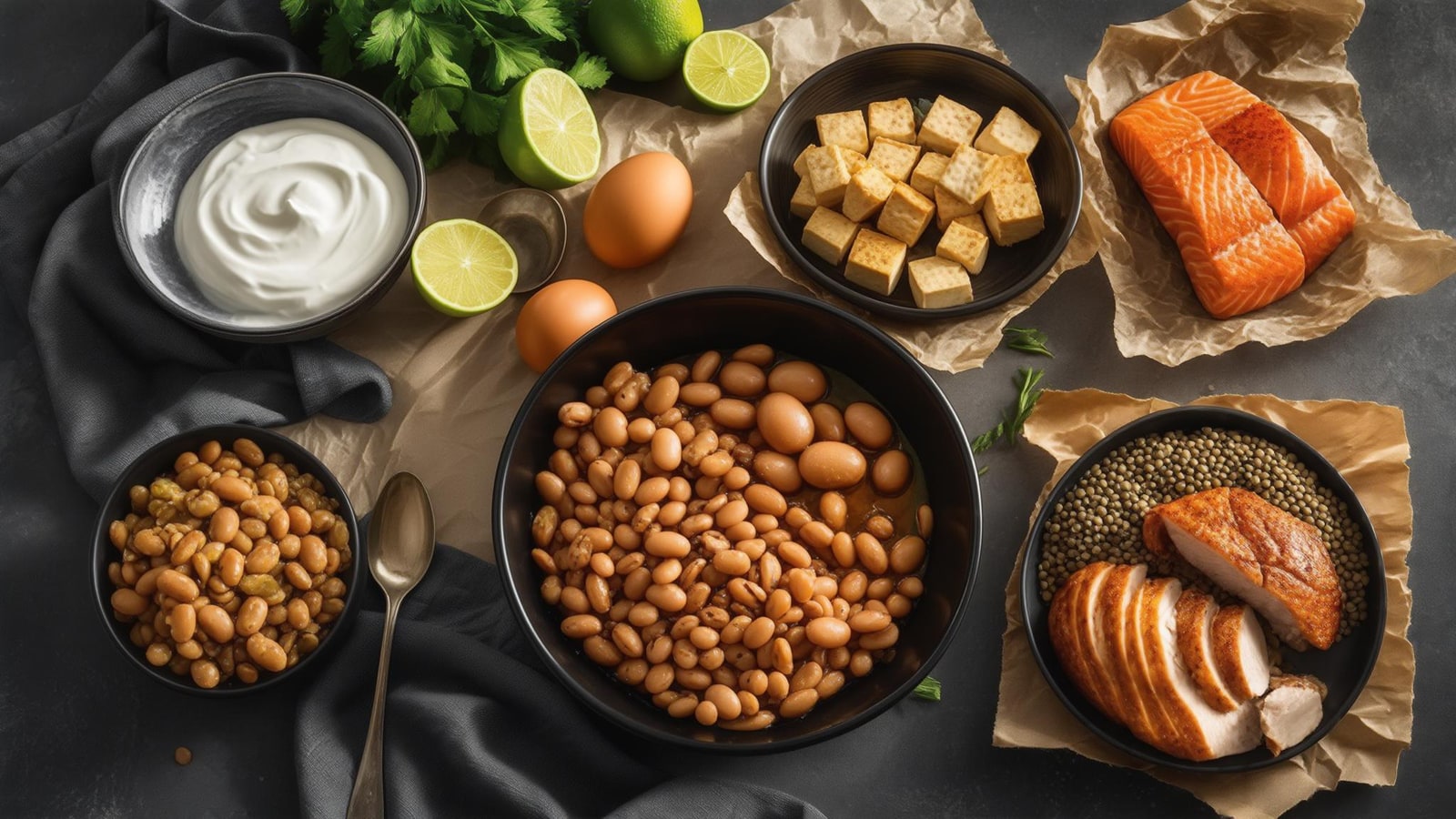
Choose several protein foods you already enjoy across refrigerated, frozen, and shelf-stable categories. Pair quick options with ingredients for cooked meals, compare labels when products vary, and buy enough variety that reaching protein does not mean eating the same dish every day.
Nutrition · 4 min read
Protein, Carbs, and Fat: A Practical Guide to Setting Macros
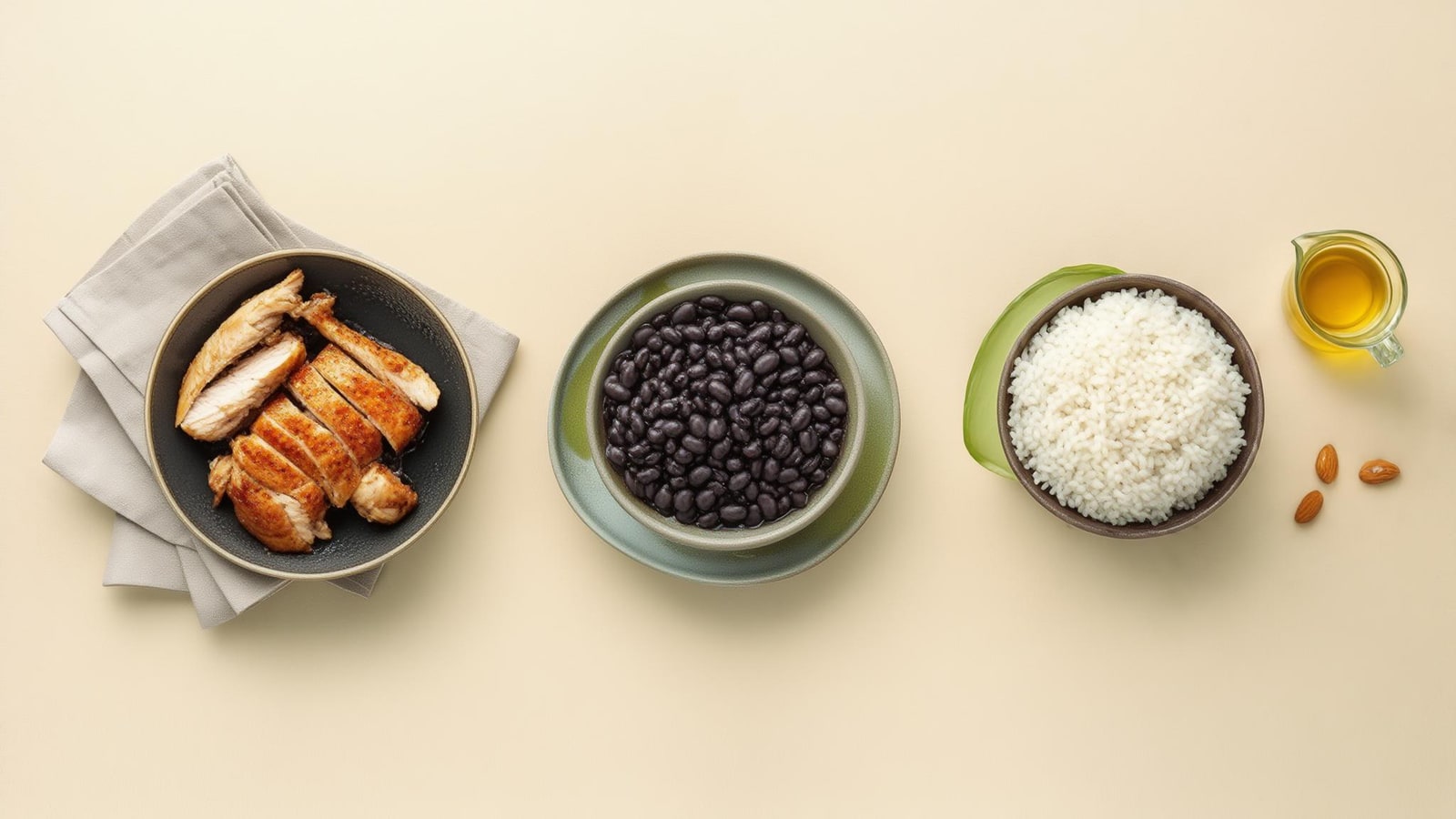
Set total energy first, choose a practical protein target, keep enough fat for a varied diet, and let carbohydrate fill much of the remaining space according to activity and preference. Treat macro targets as flexible ranges, not three daily pass-or-fail tests.
Habits · 4 min read
Meal Planning for Busy Weeks Without Eating the Same Thing Every Day
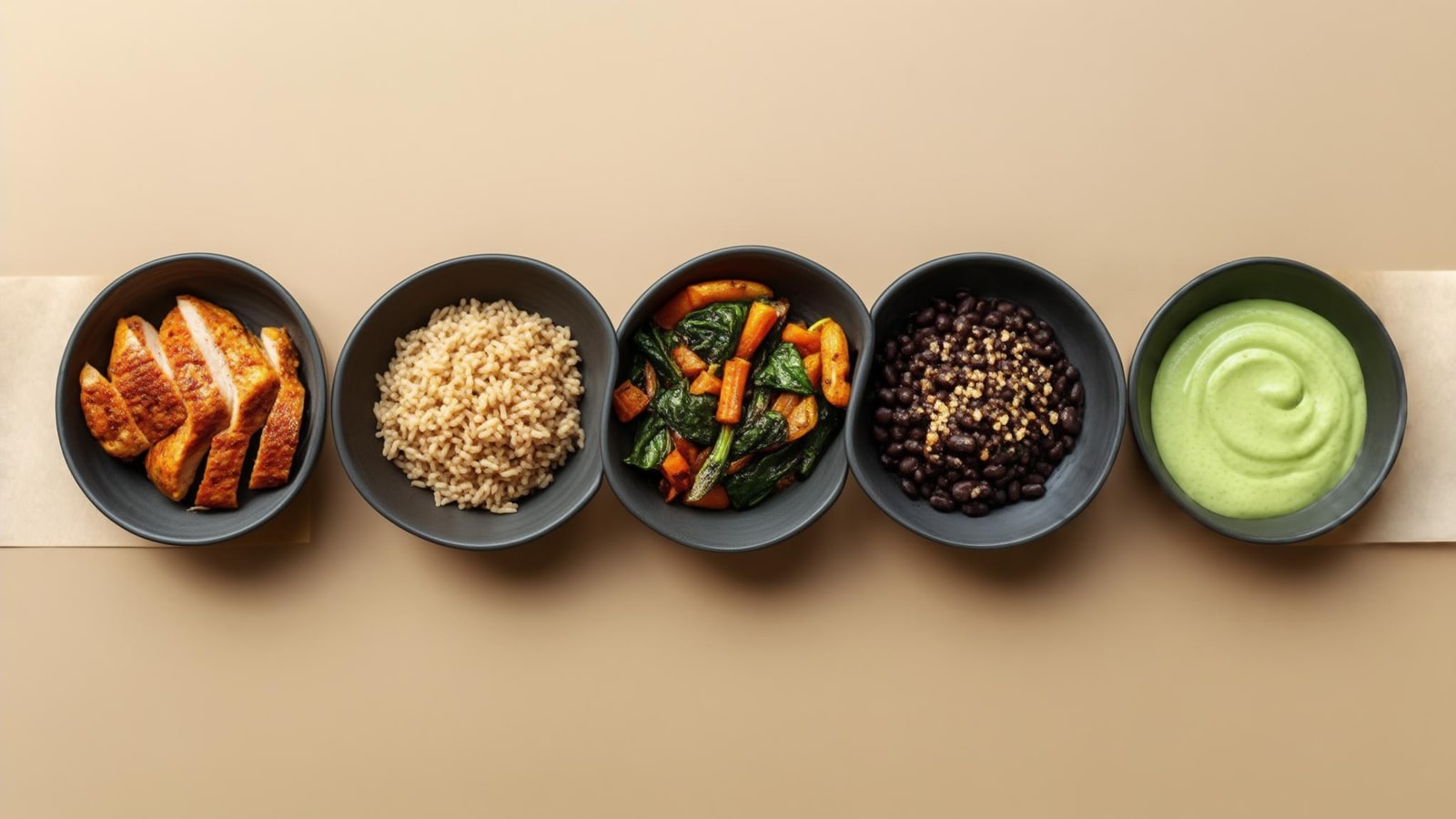
Plan components rather than seven finished dinners: prepare a few proteins, vegetables, and starches, then change sauces, formats, and textures. Add two true backup meals and leave intentional open space for leftovers, restaurants, or changed plans.