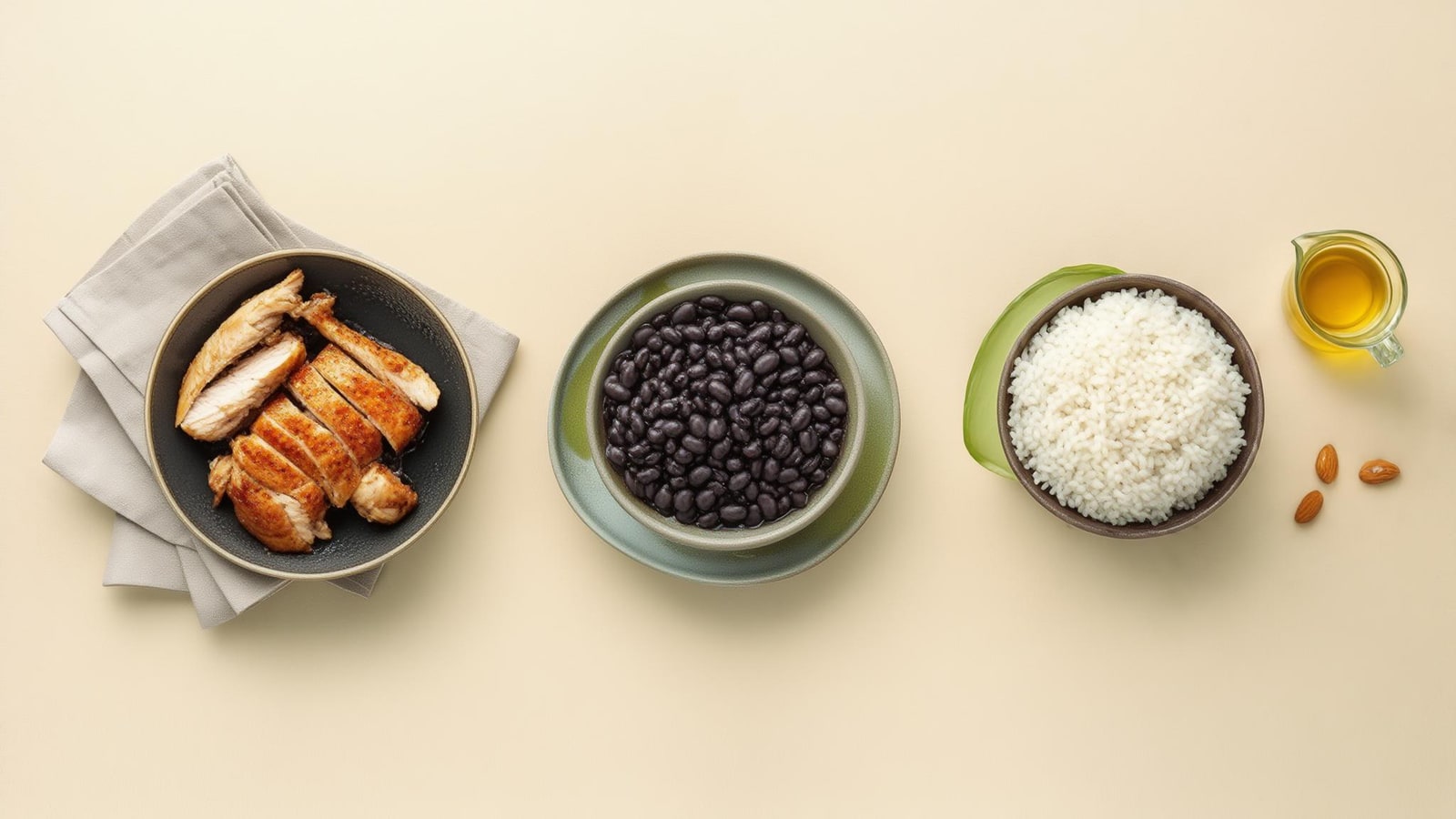
Macros are a budget inside the calorie budget
Protein, carbohydrate, and fat are macronutrients that contribute energy and serve different roles in meals and the body. A macro plan must fit inside total energy: protein and carbohydrate provide about four calories per gram, while fat provides about nine. Alcohol contributes energy too but is not a required macro target. These conversion factors are useful for checking whether a set of targets is internally coherent, not for judging the quality of a diet by arithmetic alone.
Start with your purpose. Someone who wants simple meal awareness may only need calories and a protein range. An endurance athlete may care more about carbohydrate availability. A person who dislikes detailed tracking can use meal templates instead of gram targets. No single percentage split is best for everyone. Preferences, culture, food access, digestive tolerance, training, medical context, and the ability to repeat the plan all matter.
Evidence for this section: U.S. Department of Health and Human Services and U.S. Department of Agriculture
Choose protein as an anchor, not an obsession
Protein needs vary. The sports-nutrition position stand reports that active people may benefit from intakes above the basic adult allowance, with context depending on training and goals. That evidence does not turn the highest number in a range into a requirement. More protein can crowd out carbohydrate, fat, fiber-rich foods, or enjoyment, and people with certain health conditions may need clinician guidance. Select a realistic range and see whether ordinary meals can reach it.
Distribution is often easier than rescue. Include a meaningful protein source at breakfast, lunch, and dinner, then use a snack if needed. That might be yogurt and oats, a bean and grain bowl, fish with potatoes, tofu stir-fry, eggs and toast, or a chicken wrap. Plant proteins count; combining variety across the day supplies amino acids without requiring every individual meal to mimic an animal protein.
Evidence for this section: Journal of the International Society of Sports Nutrition via PubMed Central
Keep fat and carbohydrate flexible
Dietary patterns need some fat, and fat carries flavor and helps make meals satisfying. Sources can include nuts, seeds, avocado, olive oil, fish, dairy, eggs, and the fats naturally present in other foods. Because fat is energy dense, pouring oil or eating from a large nut container can make portions hard to judge. Measure a few common servings, then use the amount that fits your meal and total plan.
Carbohydrate is not a dietary mistake. Fruit, beans, grains, potatoes, dairy, and vegetables contribute carbohydrate along with different combinations of fiber and micronutrients. Active people often value carbohydrate around training because it is convenient fuel. The appropriate amount changes with energy needs and preference. Instead of forcing a low or high label, notice performance, hunger, digestion, and whether your carbohydrate choices leave room for a varied pattern.
Evidence for this section: U.S. Department of Health and Human Services and U.S. Department of Agriculture
Turn numbers into meals
Suppose a target says “more protein” but the current meals do not change. The number has done no work. Translate it into one or two repeatable choices: add Greek yogurt to breakfast, make lunch include a full serving of beans and chicken, or keep tofu and frozen edamame available. Do the same for fats and carbohydrates. A macro plan becomes useful only when it maps to groceries, portions, and meals you can assemble.
Use ranges and weekly patterns. A meal out may be higher in fat and lower in protein than planned; another day may reverse that. If total intake and core habits remain appropriate, forcing every day to match three exact endpoints creates needless correction. Tab displays all three macros for free, but the display is information, not a requirement to hit each number exactly. Aim for useful consistency and investigate repeated gaps rather than ordinary daily variation.
Evidence for this section: U.S. Department of Health and Human Services and U.S. Department of Agriculture
Reassess when the context changes
Training volume, body weight, appetite, schedule, and goals change. Review whether the targets still support energy, recovery, digestion, and the foods available to you. If a plan causes persistent fatigue, food anxiety, poor training, or avoidance of whole food groups, do not solve that by becoming stricter. Simplify the targets or seek an appropriately qualified professional. Macro tracking should make patterns easier to see; it should not replace medical care or become the only definition of a nutritious meal.
Also review food quality beyond the three macro totals. Two days can match protein, carbohydrate, fat, and calories while differing greatly in fruit, vegetables, whole grains, legumes, and overall variety. Dietary guidance is pattern-based because foods bring fiber, vitamins, minerals, and other components that a macro split does not describe. Use macros as one layer of the plan. A weekly look at food groups, energy, appetite, and training can catch gaps that an exact ratio would leave invisible.
Evidence for this section: National Institute of Diabetes and Digestive and Kidney Diseases · Journal of the International Society of Sports Nutrition via PubMed Central
Important context
This article provides general information for adults and is not individualized medical, nutrition, or exercise advice. Talk with a qualified health professional about needs related to a health condition, pregnancy, medication, injury, or eating-disorder history.
Sources
- Dietary Guidelines for AmericansU.S. Department of Health and Human Services and U.S. Department of Agriculture · Accessed 2026-09-11
- International Society of Sports Nutrition Position Stand: Protein and ExerciseJournal of the International Society of Sports Nutrition via PubMed Central · Accessed 2026-09-11
- Eating and Physical Activity to Lose or Maintain WeightNational Institute of Diabetes and Digestive and Kidney Diseases · Accessed 2026-09-11
About these guides
Tab publishes conservative, evidence-led explanations for everyday food logging and fitness decisions. Estimates remain estimates, and individual needs vary.
Read our editorial standardsKeep reading
Related guides
Nutrition · 4 min read
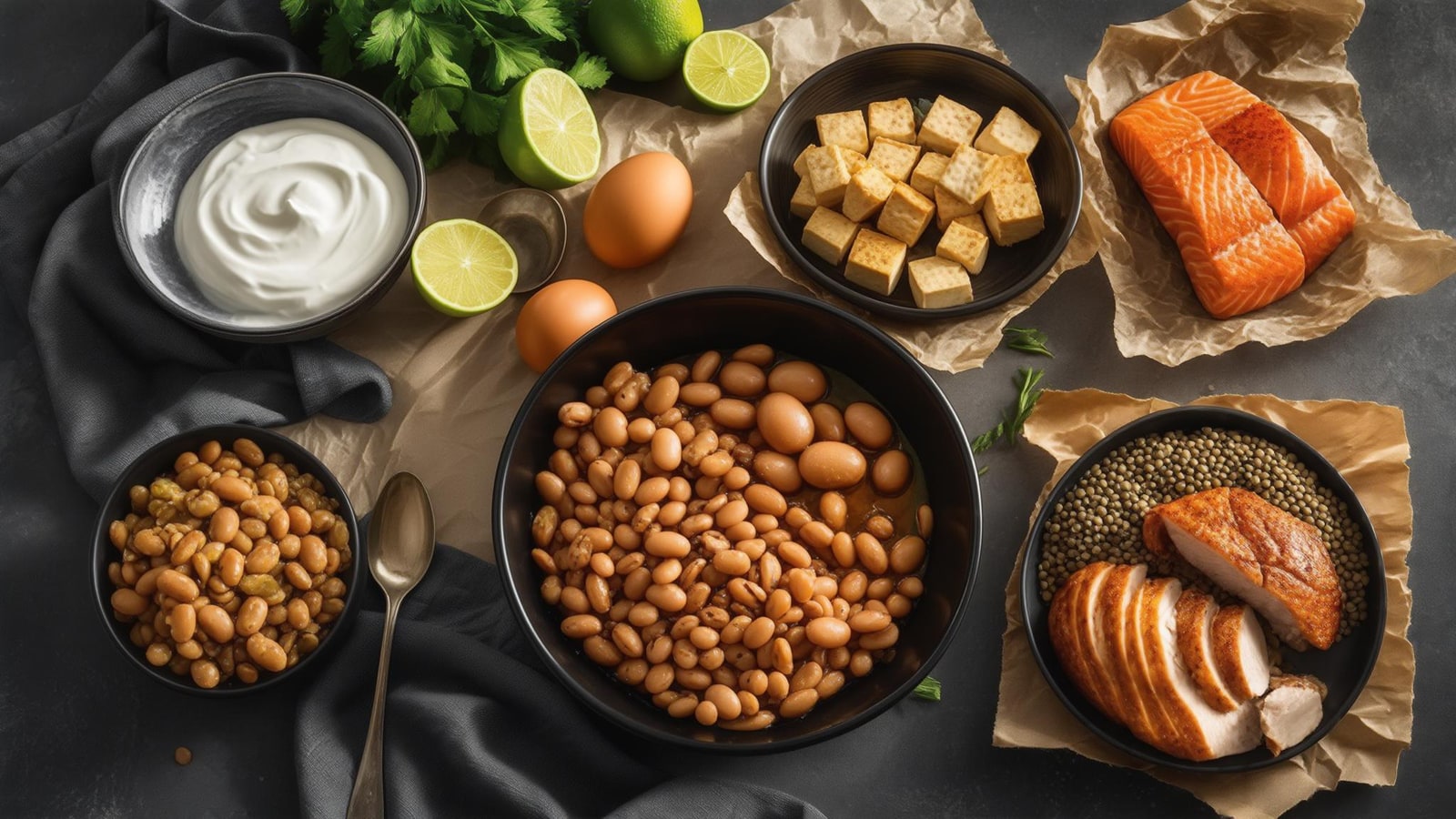
High-Protein Foods That Fit an Everyday Grocery List
Choose several protein foods you already enjoy across refrigerated, frozen, and shelf-stable categories. Pair quick options with ingredients for cooked meals, compare labels when products vary, and buy enough variety that reaching protein does not mean eating the same dish every day.

Nutrition · 4 min read
What to Eat When You Have Calories Left but Need More Protein
Start with the size of the remaining meal, choose a protein-dense base, then add produce, carbohydrate, fat, and flavor to match your appetite. The closest practical option is better than chasing an exact calorie-and-protein intersection with an unsatisfying plate.
Nutrition · 4 min read
How to Start a Calorie Deficit Without Making Every Meal Miserable
Start with a reasonable estimate of your needs, make a modest reduction you can sustain, and protect meal volume, protein, produce, and foods you enjoy. Watch a multi-week trend and adjust gradually instead of reacting to one hungry day or one scale reading.