Shop for roles, not a fantasy meal plan
A useful grocery list covers the situations you actually face: breakfast in five minutes, packed lunch, dinner with time to cook, and the evening when everything went sideways. Choose two or three ready-to-eat proteins, a few flexible meal components, and one or two freezer backups. This prevents a refrigerator full of ambitious recipes from becoming takeout and waste. Protein variety also brings different nutrients, textures, prices, and cultural uses.
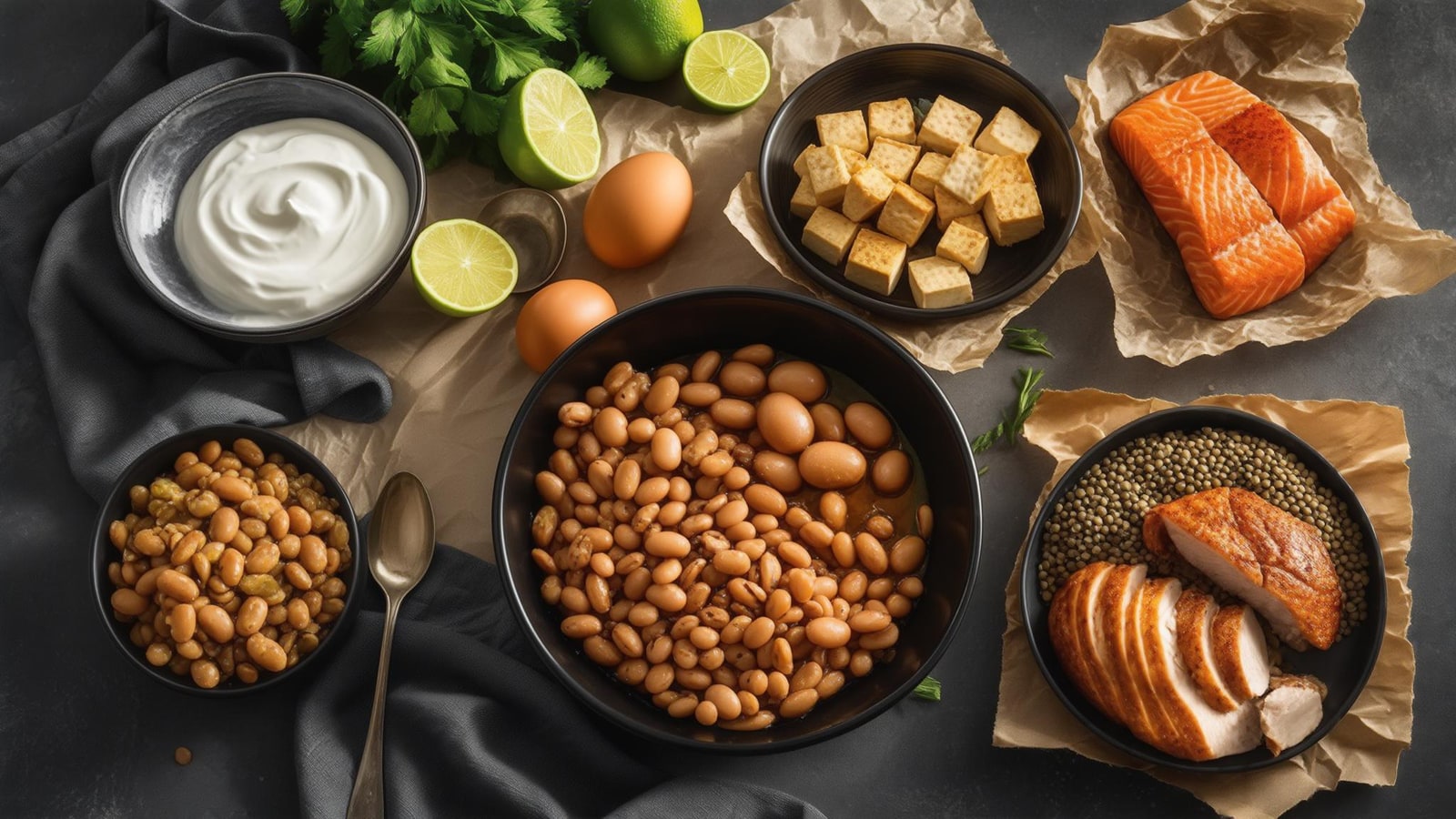
Start with foods you like. Options include eggs; milk, Greek yogurt, cottage cheese, and other dairy; tofu, tempeh, edamame, beans, peas, and lentils; fish and shellfish; poultry and leaner cuts of meat; and nuts and seeds. Dietary guidance includes both animal and plant protein groups. Products differ, so use labels or FoodData Central records when a specific amount matters rather than assuming every yogurt or veggie burger is alike.
Evidence for this section: U.S. Department of Health and Human Services and U.S. Department of Agriculture · USDA Agricultural Research Service
Build a low-effort refrigerator shelf
Greek yogurt or skyr, cottage cheese, eggs, pre-cooked chicken, baked tofu, and individually portioned leftovers can turn into meals quickly. Add produce, bread, tortillas, or microwave grains so the protein has somewhere to go. Convenience versions may cost more, but paying for washed greens or cooked protein can be sensible if it prevents unused ingredients. Compare sodium and added ingredients according to your needs without treating convenience as inherently inferior.
Use one preparation across several meals without repeating the whole plate. Roasted chicken can become a grain bowl, taco, soup, or sandwich. Tofu can move from stir-fry to curry to a cold noodle salad. Hard-boiled eggs work at breakfast or as a snack. Change the vegetable, starch, sauce, and texture while retaining the protein base. This is modular planning: fewer cooking tasks, more combinations.
Evidence for this section: U.S. Department of Health and Human Services and U.S. Department of Agriculture · Journal of the International Society of Sports Nutrition via PubMed Central · U.S. Food and Drug Administration
Let the freezer and pantry rescue the week
Frozen fish fillets, shrimp, edamame, veggie burgers, meatballs, and cooked beans reduce the pressure to use everything immediately. Canned tuna, salmon, chicken, beans, chickpeas, and lentils are durable options. Dry lentils cook relatively quickly, while canned beans need only rinsing and heating if desired. Keep a few complete combinations together, such as canned salmon plus crackers and fruit, or lentils plus microwave rice and frozen vegetables.
Read labels where products vary widely. A “protein” front-of-package claim does not tell you the serving size, calorie content, sodium, or ingredient list. The Nutrition Facts label lets you compare the amount you actually plan to eat. Powders and bars can be convenient, but they are not mandatory and need not displace ordinary food. If you use them, choose a role—post-workout convenience or travel backup—rather than letting marketing define the grocery cart.
Evidence for this section: U.S. Department of Health and Human Services and U.S. Department of Agriculture · U.S. Food and Drug Administration
Pair protein with the rest of the meal
A high-protein food alone is not automatically a complete meal. Pair it with vegetables or fruit, a carbohydrate source, and fat as appropriate for appetite and energy needs. Beans already bring carbohydrate and fiber; salmon brings fat; nonfat yogurt may need fruit, oats, or nuts to become satisfying. Looking at the whole plate prevents a macro target from shrinking dietary variety or producing meals that are technically compliant but unpleasant.
Budget matters. Eggs, dried beans, lentils, canned fish, milk, store-brand yogurt, and larger packs divided at home can lower cost. Compare price per usable serving, not just package price. A cheaper bulk item is not a saving if it spoils. Frozen and canned foods often make the math easier because they wait for you. Rotate sale items while keeping two dependable staples on the list every week.
Evidence for this section: U.S. Department of Health and Human Services and U.S. Department of Agriculture · Journal of the International Society of Sports Nutrition via PubMed Central
Create a personal default list
Write a short list under four headings: breakfast, quick meal, cooked meal, and backup. Add the portion you normally eat only after checking it once against the label or database. Reorder based on what you actually use. The best protein list is not the longest one; it is the set that survives your schedule, preferences, budget, and kitchen. When protein regularly falls short, add one easy default before buying a cabinet of specialty products. Keep that default visible and replace it after use.
Review the list by use, not aspiration. If a large tub repeatedly spoils, buy a smaller container or freeze suitable portions. If canned beans are reliable but dry beans remain untouched, plan around the reliable option. Rotate one category each week—perhaps fish, tofu, lentils, or poultry—while keeping the rest familiar. This creates dietary variety without requiring a completely new cart. Record the products and portions you actually use so comparisons reflect the household, not a generic list copied from someone else. Keep allergies, storage space, and cooking equipment in that review too.
Evidence for this section: U.S. Department of Health and Human Services and U.S. Department of Agriculture · USDA Agricultural Research Service
Important context
This article provides general information for adults and is not individualized medical, nutrition, or exercise advice. Talk with a qualified health professional about needs related to a health condition, pregnancy, medication, injury, or eating-disorder history.
Sources
- Dietary Guidelines for AmericansU.S. Department of Health and Human Services and U.S. Department of Agriculture · Accessed 2026-09-11
- About Us: FoodData CentralUSDA Agricultural Research Service · Accessed 2026-09-11
- International Society of Sports Nutrition Position Stand: Protein and ExerciseJournal of the International Society of Sports Nutrition via PubMed Central · Accessed 2026-09-11
- How to Understand and Use the Nutrition Facts LabelU.S. Food and Drug Administration · Accessed 2026-09-11
About these guides
Tab publishes conservative, evidence-led explanations for everyday food logging and fitness decisions. Estimates remain estimates, and individual needs vary.
Read our editorial standardsKeep reading
Related guides
Nutrition · 4 min read
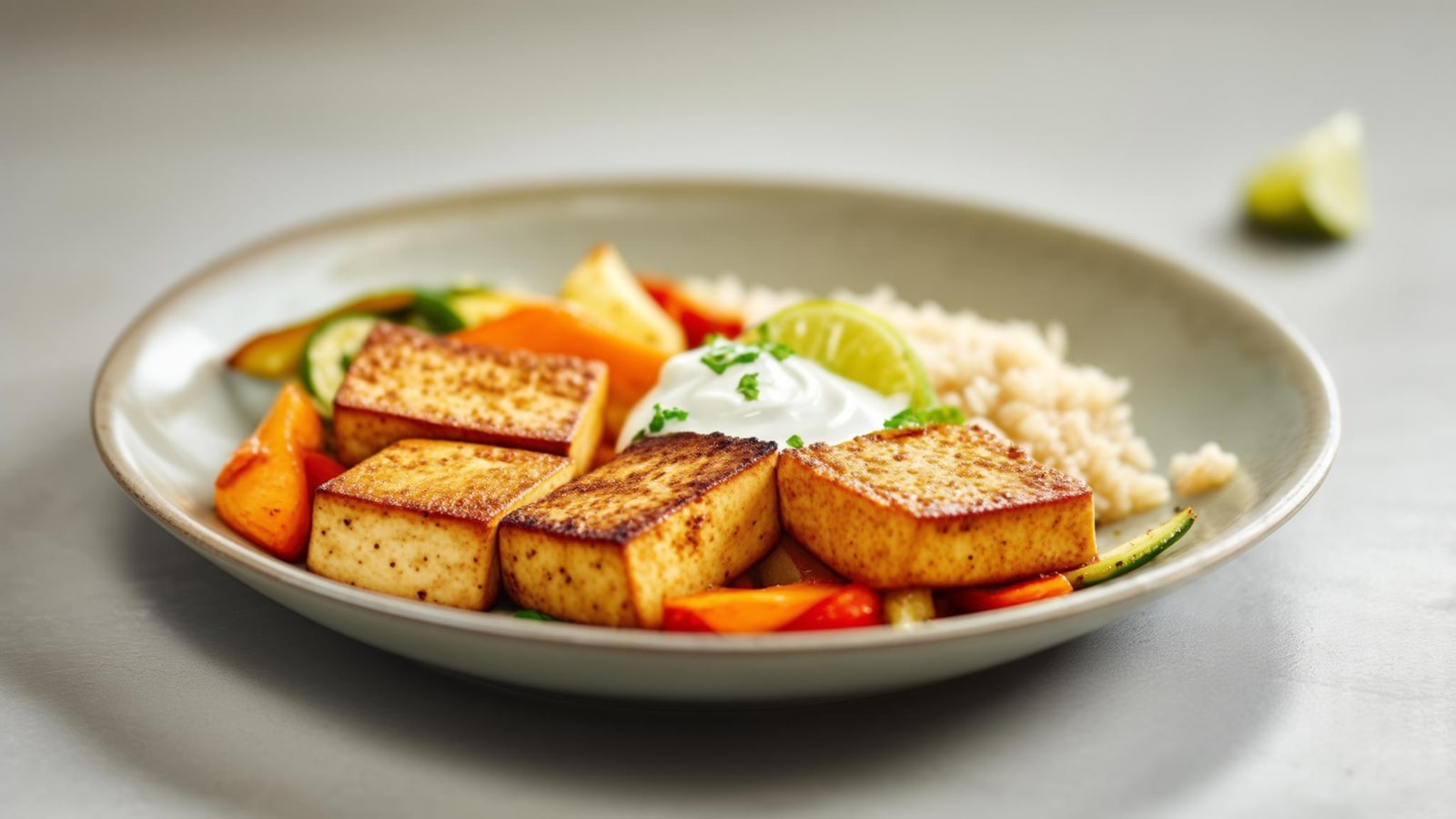
What to Eat When You Have Calories Left but Need More Protein
Start with the size of the remaining meal, choose a protein-dense base, then add produce, carbohydrate, fat, and flavor to match your appetite. The closest practical option is better than chasing an exact calorie-and-protein intersection with an unsatisfying plate.
Nutrition · 4 min read
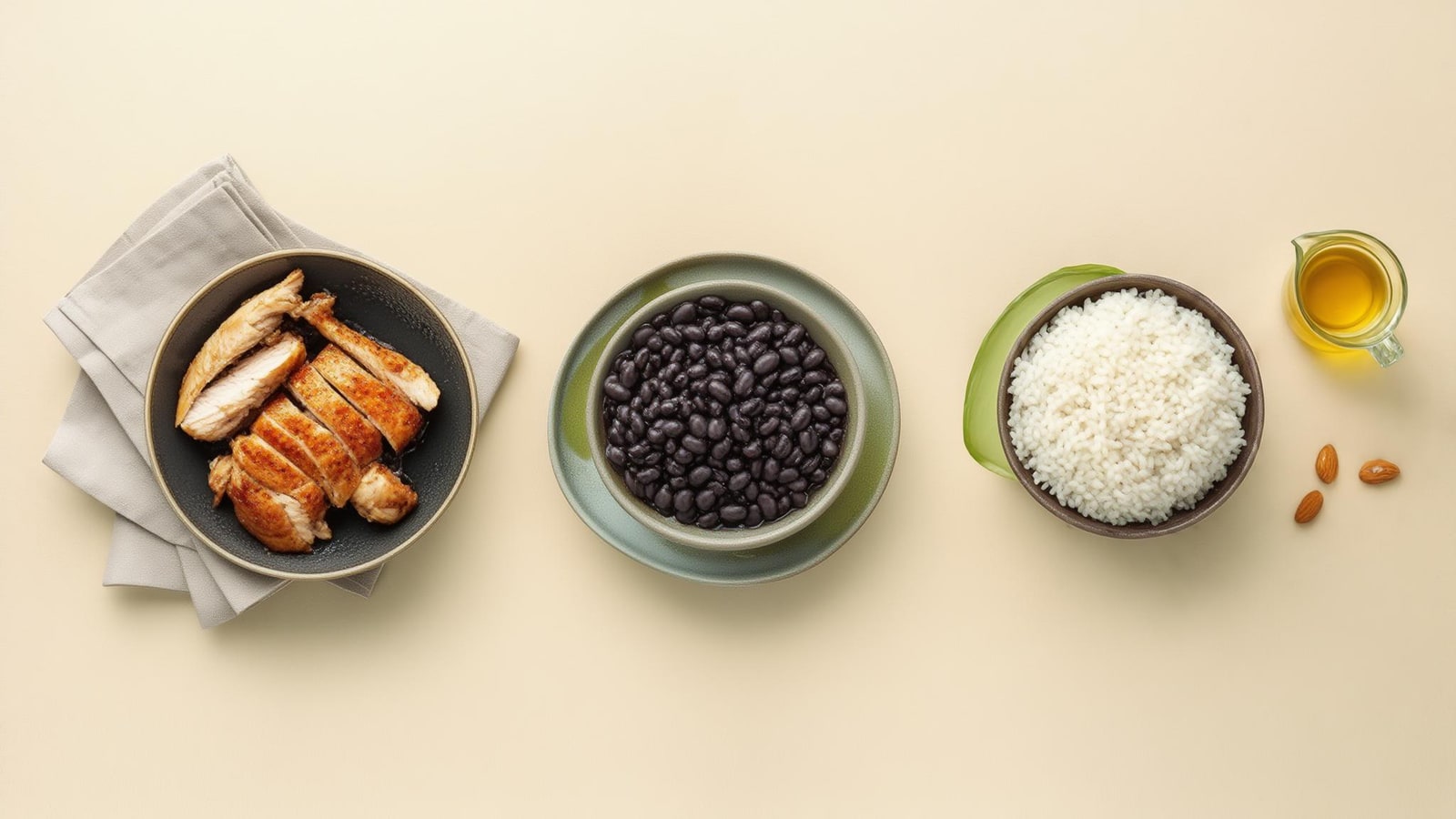
Protein, Carbs, and Fat: A Practical Guide to Setting Macros
Set total energy first, choose a practical protein target, keep enough fat for a varied diet, and let carbohydrate fill much of the remaining space according to activity and preference. Treat macro targets as flexible ranges, not three daily pass-or-fail tests.
Habits · 4 min read
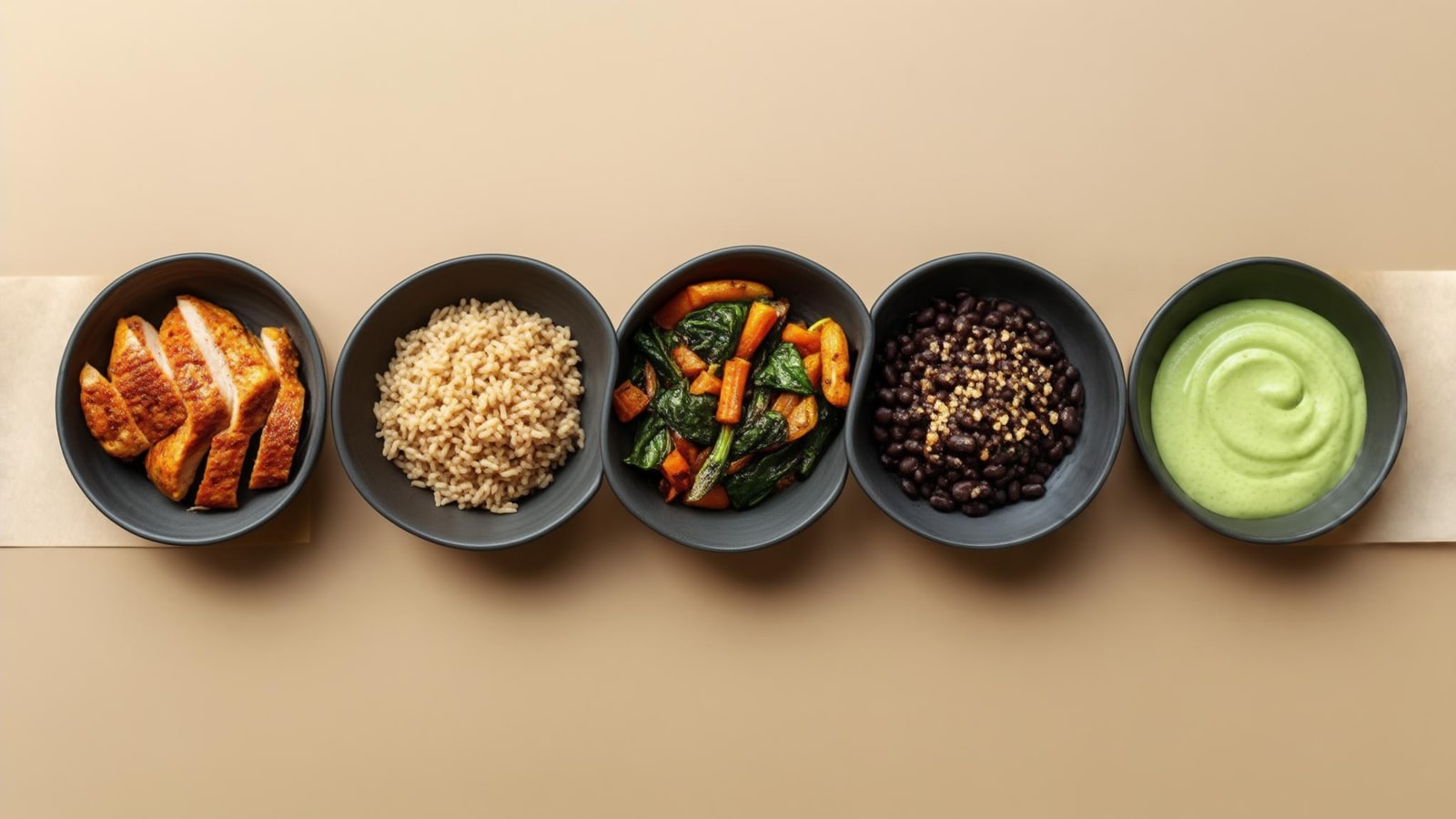
Meal Planning for Busy Weeks Without Eating the Same Thing Every Day
Plan components rather than seven finished dinners: prepare a few proteins, vegetables, and starches, then change sauces, formats, and textures. Add two true backup meals and leave intentional open space for leftovers, restaurants, or changed plans.