
Lower friction before asking for discipline
Food tracking is easier when the next action is obvious. Put the app where you can reach it, keep a scale or measuring tool accessible if you use one, and save recurring meals after verifying them. A systematic review of self-monitoring found a consistent relationship between more frequent monitoring and weight-loss outcomes, while also noting limitations in the evidence. The practical takeaway is not that perfect records cause success; it is that a repeatable record can support awareness and adjustment.
Choose the minimum detail that serves your purpose. If calories and protein guide your decisions, you may not need to optimize every micronutrient daily. If you are learning portion sizes, focus on the foods that drive the meal total. Excessive detail raises the cost of each entry. A sustainable system makes common meals fast and unusual meals possible, rather than requiring every plate to receive the same investigation.
Evidence for this section: Journal of the Academy of Nutrition and Dietetics via PubMed Central
Log close enough to remember
Logging before or soon after eating preserves ingredients and portions while they are visible. Pre-logging can help plan a restaurant meal or pack lunch, but update the entry to what you actually ate. If real-time logging interrupts social meals, take a quick photo or note and complete it later that day. Waiting several days makes sauces, drinks, bites, and portions harder to recall and turns one missed entry into a reconstruction project.
Attach logging to an existing cue: after placing the plate down, after clearing the table, or while making tomorrow’s lunch. Keep the cue specific. “Track better” is difficult to execute; “save dinner before I wash the dish” has a clear moment. CDC behavior guidance recommends specific goals and tracking current nutrition, activity, and sleep to identify where change may help. Your cue should support observation without making the meal feel like an exam.
Evidence for this section: Journal of the Academy of Nutrition and Dietetics via PubMed Central · Centers for Disease Control and Prevention
Build a fallback ladder for uncertainty
When the perfect entry is unavailable, use the strongest evidence you have. Scan the current package and verify its label. Search for the closest preparation. Photograph the meal and edit the major components. Describe the recipe facts you know. For restaurant or shared food with no source, choose a reasonable comparison and mark it mentally as an estimate. An honest approximation is often more useful than deleting the entire day because one meal could not be exact.
Set a time boundary. Spend correction effort on the entrée, starch, cooking fats, sauces, and meaningful protein portions, then move on. Tiny garnish decisions rarely deserve ten minutes. If the same uncertainty repeats, solve it once: weigh your usual cereal bowl, save the family chili recipe, or verify the bread label. Consistency improves when recurring questions become defaults rather than recurring debates.
Review patterns without grading days
Choose a weekly review rather than reacting to every number. Look for repeated omissions, meals that leave you hungry, protein that is consistently concentrated at night, or weekends that require a different plan. Compare enough days to recognize a pattern and note whether the records were reasonably complete. Do not let a total with missing meals drive a precise target adjustment. The quality of the observation limits the quality of the conclusion.
Use neutral language. An entry is information, not a confession, and foods do not need moral labels. If tracking increases anxiety, guilt, restriction, or compulsive checking, reduce detail or stop and speak with a qualified professional, especially with an eating-disorder history. The tool should support decisions and flexibility. It is not worth preserving a streak at the expense of health or a peaceful relationship with food.
Evidence for this section: Journal of the Academy of Nutrition and Dietetics via PubMed Central · Centers for Disease Control and Prevention
Practice the return
Missed entries are inevitable during travel, illness, celebrations, and busy weeks. Decide in advance how to resume: begin with the next meal, not a forensic reconstruction and not next Monday. NIDDK guidance treats setbacks as normal and encourages returning to the plan. You can add a rough estimate for context if it is easy, but you do not need to invent details. The ability to return is a core tracking skill, not evidence that the habit was broken.
Measure the system by whether it produces useful weeks. Saved meals should remain accurate enough, inputs should be available when a scan is weak, and review should lead to one small change. Remove steps that do not inform action. Add detail only when a real question requires it. A durable log is built from many ordinary entries and many ordinary returns, not from a short period in which every gram and every day appears perfect.
Evidence for this section: Journal of the Academy of Nutrition and Dietetics via PubMed Central · National Institute of Diabetes and Digestive and Kidney Diseases
Important context
This article provides general information for adults and is not individualized medical, nutrition, or exercise advice. Talk with a qualified health professional about needs related to a health condition, pregnancy, medication, injury, or eating-disorder history.
Sources
- Self-Monitoring in Weight Loss: A Systematic Review of the LiteratureJournal of the Academy of Nutrition and Dietetics via PubMed Central · Accessed 2026-09-11
- Steps for Losing WeightCenters for Disease Control and Prevention · Accessed 2026-09-11
- Eating and Physical Activity to Lose or Maintain WeightNational Institute of Diabetes and Digestive and Kidney Diseases · Accessed 2026-09-11
About these guides
Tab publishes conservative, evidence-led explanations for everyday food logging and fitness decisions. Estimates remain estimates, and individual needs vary.
Read our editorial standardsKeep reading
Related guides
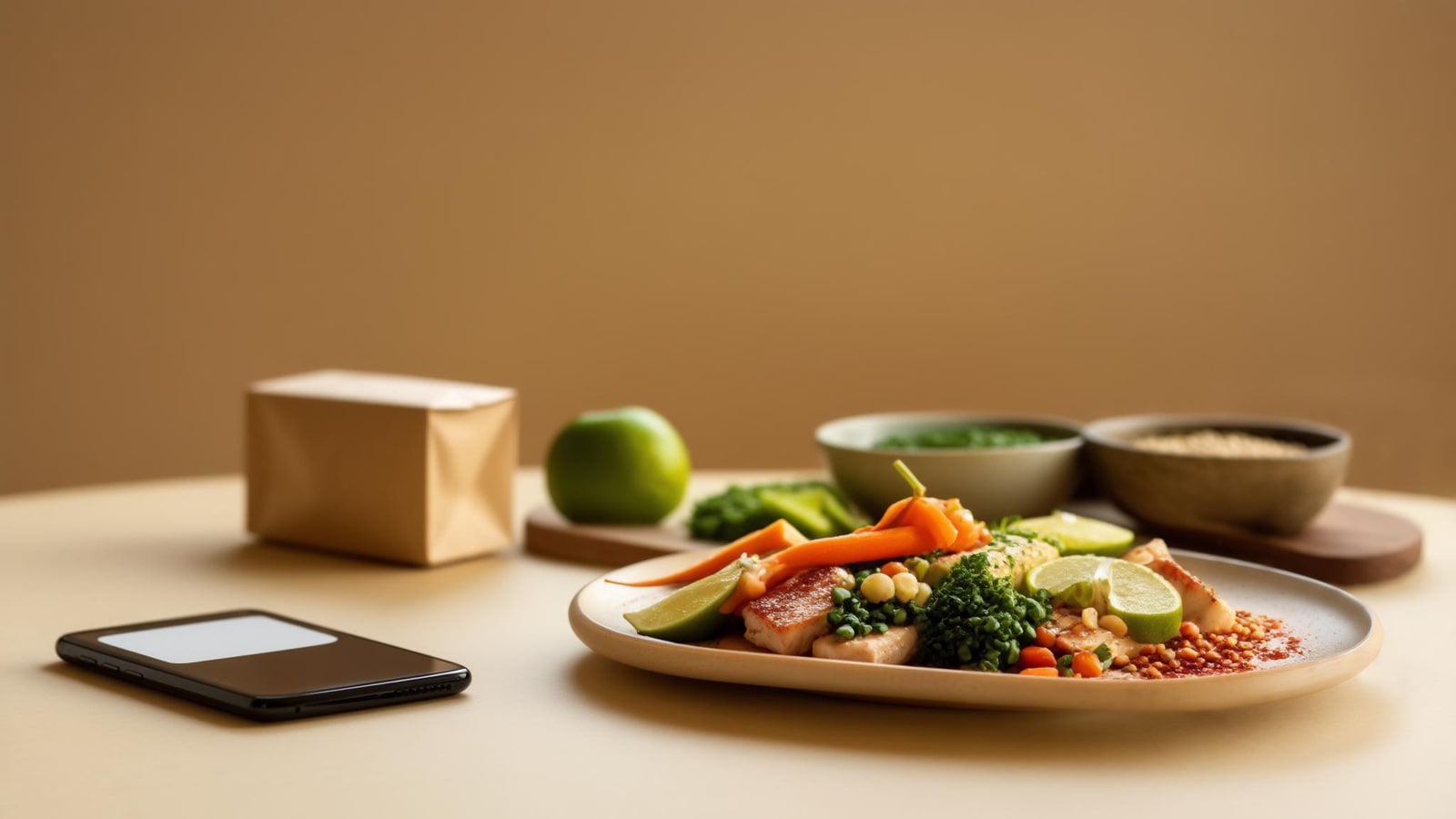
Food logging · 5 min read
Barcode, Nutrition Label, Search, or Photo: Which Logging Method Should You Use?
Use the most direct evidence available: a verified label for packaged food, a saved recipe for meals you cook repeatedly, database search for simple foods, and a photo when speed matters and the meal is visually identifiable. You can switch methods whenever the first result is weak.
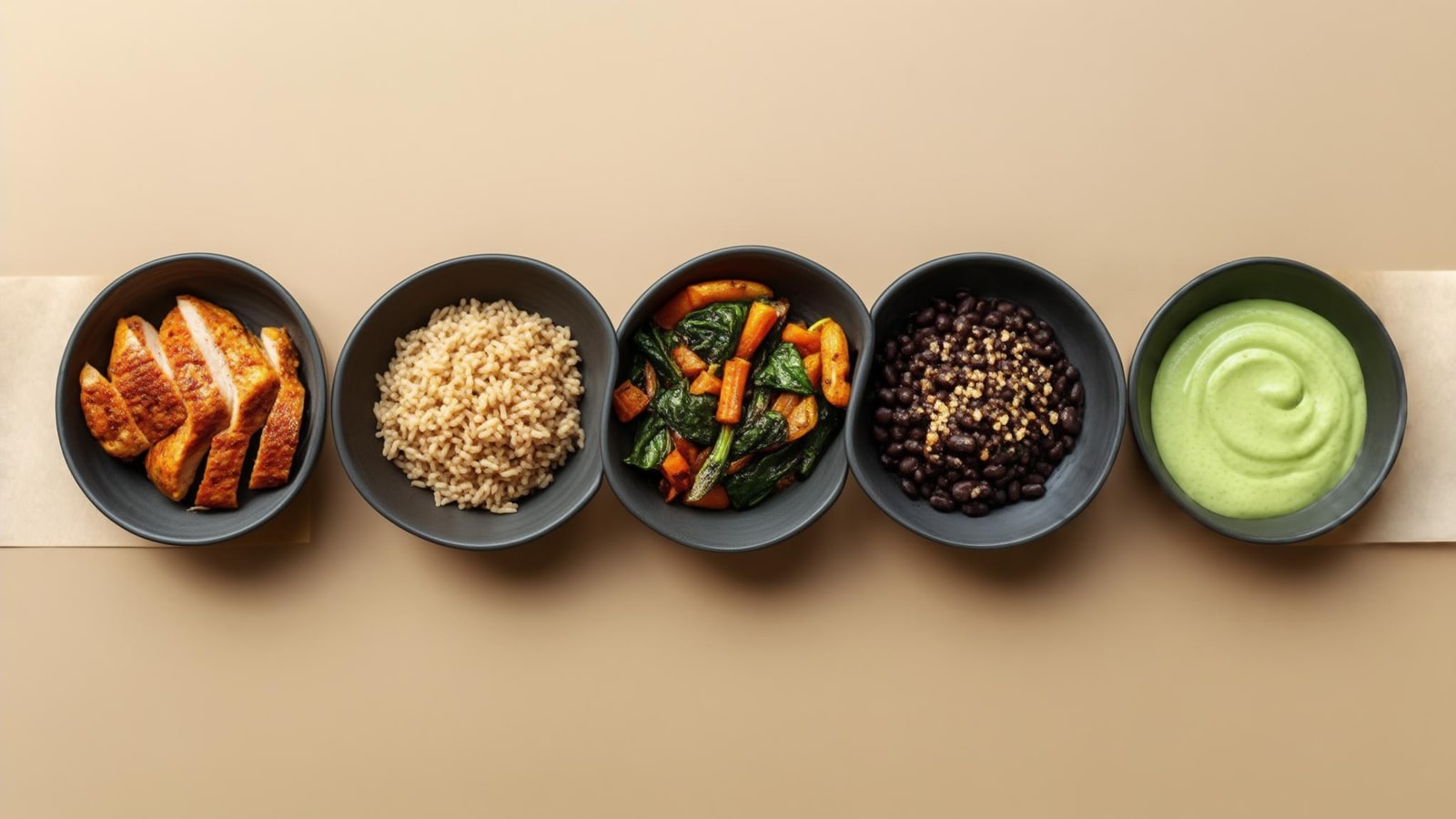
Habits · 4 min read
Meal Planning for Busy Weeks Without Eating the Same Thing Every Day
Plan components rather than seven finished dinners: prepare a few proteins, vegetables, and starches, then change sauces, formats, and textures. Add two true backup meals and leave intentional open space for leftovers, restaurants, or changed plans.

Nutrition · 4 min read
Why Daily Scale Weight Changes — and What Trend to Watch Instead
Daily scale weight includes more than body fat: water, stored carbohydrate, food and drink in digestion, and measurement conditions all move the number. Compare consistent weigh-ins and use a multi-day or multi-week trend instead of treating one reading as a verdict.