Match the method to the evidence
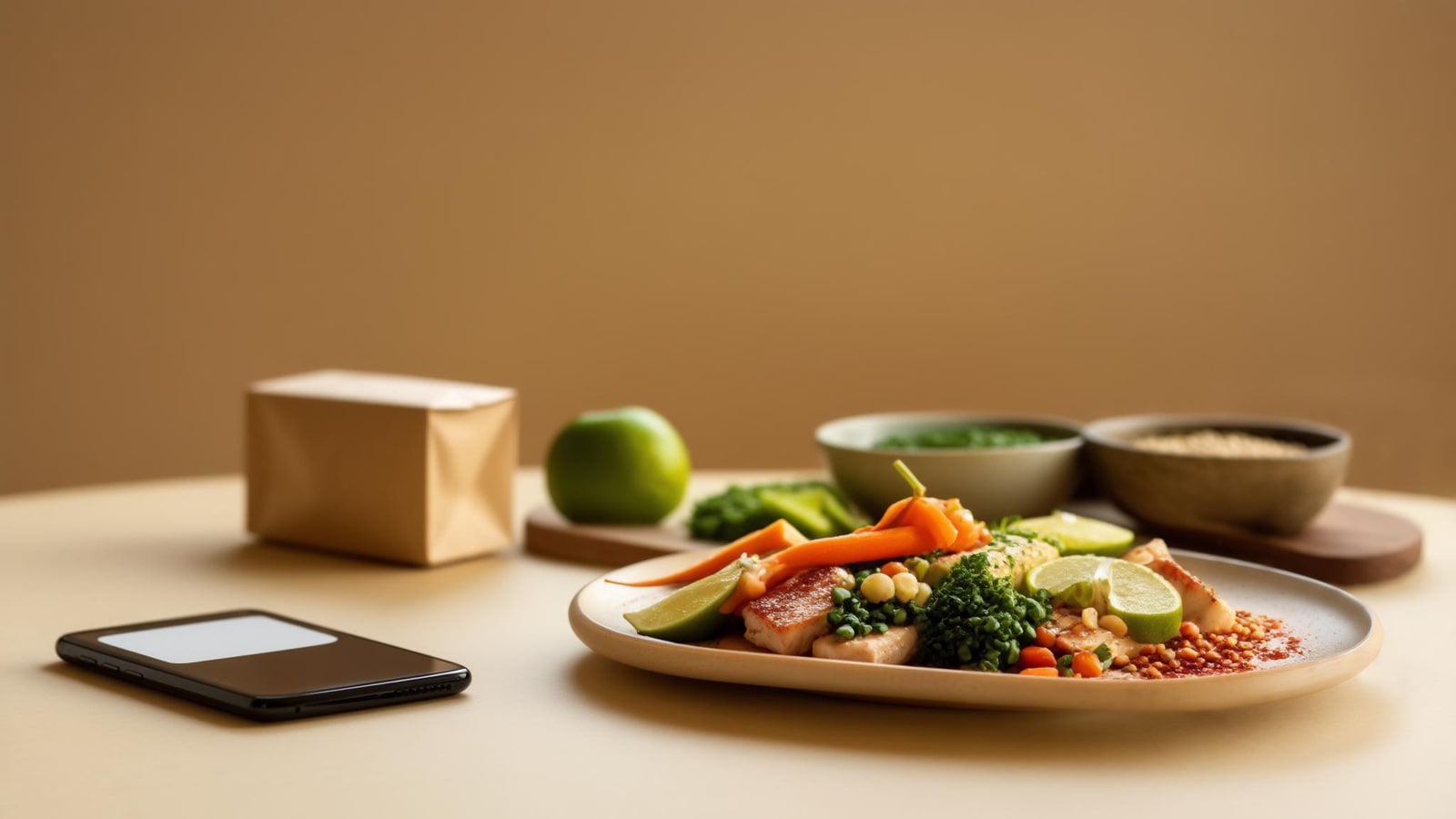
Food logging is not a contest to use the newest tool every time. The goal is to create a useful record with reasonable effort. A sealed package may give you a product-specific label and serving size. A banana has no barcode, but a database search can describe it well. A homemade stew is best represented by its recipe when you know the ingredients. A restaurant bowl with no published nutrition may be fastest to capture with a photo and then review component by component.
Think in two dimensions: confidence and friction. Direct information, such as a label you can read, usually deserves more confidence than appearance alone. A method that takes so long you stop logging has too much friction. The sensible choice is often the lowest-effort method that preserves the details most likely to affect the total. Tab keeps barcode, search, meal description, and photo available because different meals supply different kinds of evidence.
Barcode and label for packaged foods
A barcode is an identifier, not nutrition data by itself. It can retrieve a product record quickly, but you should still compare the product name and serving information with the package in your hand. Packaging changes, multiple sizes can share similar branding, and community or manufacturer databases can contain older records. When the result conflicts with the current label, use the label. The FDA Nutrition Facts panel provides serving size and nutrients for the packaged product as sold.
The serving line is the common trap. If a bottle contains two servings and you drink the bottle, logging one listed serving understates what you consumed. Some labels also show values per serving and per package, so confirm which column you selected. For foods you buy often, save the verified item and your usual amount. Barcode entry is then both fast and product-specific, while the occasional label check protects you when a package has been reformulated.
Evidence for this section: U.S. Food and Drug Administration
Search for simple foods and known portions
Database search works well for foods with a recognizable identity: an egg, cooked brown rice, an apple, plain yogurt, or grilled chicken breast. Choose the preparation and state that match what you ate. Cooked and uncooked records can have very different values per gram because cooking changes water content. Branded and generic entries serve different purposes; a generic record may suit produce, while the exact brand can matter for bread, cereal, sauces, and prepared foods.
Search becomes stronger when the portion comes from something concrete. A kitchen scale, package weight, recipe yield, measuring cup, or known count reduces guessing. You do not need to weigh every food forever. Weighing a recurring portion once can teach you what your usual bowl or spoonful holds. Save that amount, then adjust only when today is clearly different. This creates consistency without turning every meal into a project.
Evidence for this section: USDA Agricultural Research Service · USDA FoodData Central
Photo or description for complex, unfamiliar meals
A photo is useful when the meal is already served and typing each visible component would be tedious. It can establish a first pass for a salad, breakfast plate, or grain bowl. Review portions, cooking method, and hidden additions before saving. A written meal description can be better when appearance is misleading but you know the contents—for example, “two eggs cooked in one teaspoon of butter with one slice of toast.” Words can carry recipe facts the camera cannot see.
Restaurant meals require humility unless the restaurant publishes nutrition for that exact item. Portion size and preparation vary, and a visually similar database entry may be from another recipe. Start from published restaurant information when it exists. Otherwise, break the meal into major components and choose defensible comparisons. The goal is not to manufacture precision; it is to record what you know, mark what you estimated, and avoid leaving substantial parts of the meal out.
Evidence for this section: Nutrients via PubMed Central
Use a fallback ladder
When a result looks wrong, move up the evidence ladder: verify the package label, look for a product-specific or restaurant source, use a saved recipe, search for a closer preparation, then estimate visible components. You can also combine methods in one meal. Scan the packaged dressing, search the fruit, and photograph the entrée. That flexibility is more dependable than forcing every meal through one input. A consistent log can contain estimates; it should not hide which entries are estimates or prevent you from correcting them.
For a homemade mixed dish, the recipe can become the bridge between methods. Enter ingredients from their labels or suitable database records, record the cooked yield, and save the portion you served. A photo can still document what reached the plate, while the recipe carries information the camera cannot see. If someone else cooked, ask about the ingredients that could materially change the estimate, then accept that the result has a wider uncertainty range. More input is useful only when it is reasonably trustworthy.
Evidence for this section: U.S. Food and Drug Administration · USDA Agricultural Research Service
Important context
This article provides general information for adults and is not individualized medical, nutrition, or exercise advice. Talk with a qualified health professional about needs related to a health condition, pregnancy, medication, injury, or eating-disorder history.
Sources
- How to Understand and Use the Nutrition Facts LabelU.S. Food and Drug Administration · Accessed 2026-09-11
- About Us: FoodData CentralUSDA Agricultural Research Service · Accessed 2026-09-11
- Foundation Foods DocumentationUSDA FoodData Central · Accessed 2026-09-11
- Review of the Validity and Feasibility of Image-Assisted Methods for Dietary AssessmentNutrients via PubMed Central · Accessed 2026-09-11
About these guides
Tab publishes conservative, evidence-led explanations for everyday food logging and fitness decisions. Estimates remain estimates, and individual needs vary.
Read our editorial standardsKeep reading
Related guides
Food logging · 4 min read
How Photo Calorie Scanning Works — and Where Estimates Go Wrong
A photo scan is a fast first draft, not a measurement. It can identify visible foods and suggest portions, but the useful result comes from matching those foods to nutrition records and letting you correct portions, preparation, and hidden extras before saving.
Food logging · 4 min read
How to Correct a Food Scan Without Starting Over
Keep the useful parts of a scan and correct only what changes the result: verify the main foods, choose the right preparation, adjust portions, add hidden extras, and remove duplicates. If one component is uncertain, replace that component instead of rebuilding the whole meal.

Habits · 4 min read
The Consistency Toolkit: Small Habits That Make Food Tracking Easier
Make tracking easier by logging close to the meal, saving verified repeats, keeping a fallback for uncertain food, and reviewing patterns on a schedule. Aim for a useful record, not a flawless one, and treat returning after a missed entry as part of the habit.