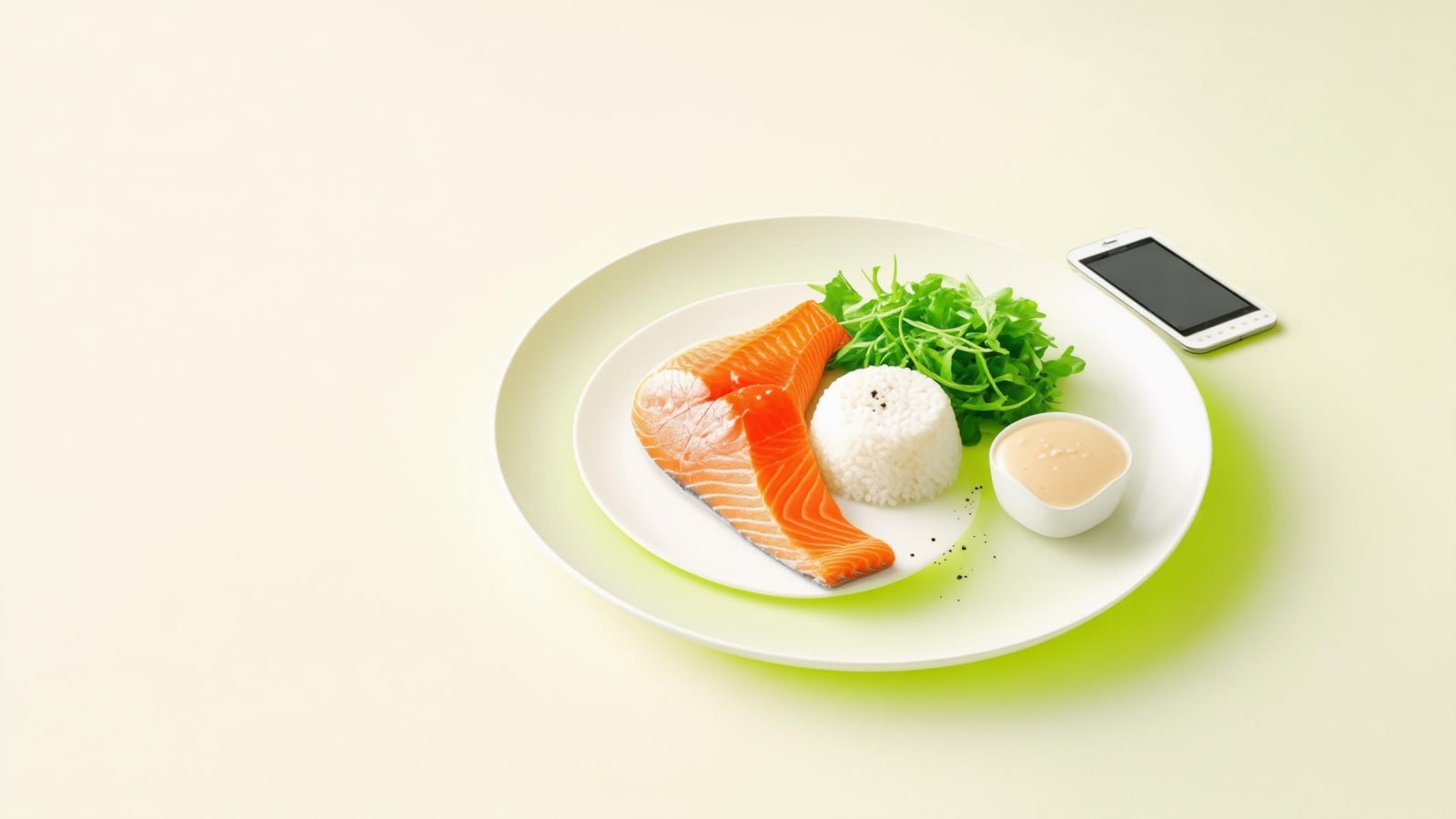
What the camera can and cannot know
A meal photo contains visual clues: color, shape, texture, plate coverage, container size, and the relationship between one item and another. A recognition model can use those clues to name foods and estimate how many grams may be present. It cannot weigh the plate, see beneath a sauce, read a recipe that is not shown, or know how much oil stayed in the pan. Even a clear image therefore leaves uncertainty. Treat the result as an organized proposal that saves typing, not as a laboratory analysis.
Mixed dishes are harder than single foods because several plausible recipes can look alike. A bowl may contain lean or higher-fat meat, a light sauce or a concentrated one, and a cup or two cups of rice. Camera angle also changes apparent volume. A close, low angle can make the nearest food look large; a shallow bowl can hide depth. Good scanning starts with a well-lit image that shows the whole plate, but better photography reduces ambiguity rather than eliminating it.
Evidence for this section: Nutrients via PubMed Central
Where the nutrition numbers should come from
Identification and nutrition calculation are different jobs. USDA FoodData Central stores nutrient values for food records, commonly on a per-100-gram basis, plus portion weights where available. Once a system has a plausible food match and gram amount, it can calculate a portion from that record. This makes the number inspectable: changing 100 grams to 150 grams changes the result in a predictable way, and choosing roasted chicken instead of breaded fried chicken changes the underlying food record.
Tab follows that separation. Its image model returns food identities and estimated grams, not calories or macros. The app then resolves each component against food data and computes nutrition from the selected record and portion. If an exact record cannot be matched, Tab labels the less certain estimate instead of silently treating a missing food as zero. This architecture does not make a photograph exact. It makes the result explainable and gives you specific levers to improve it.
Evidence for this section: USDA FoodData Central · USDA Agricultural Research Service
The errors that matter most
Portion error scales the entire record. If the correct food is selected but the amount is twice as large as reality, its calculated energy and nutrients will also be roughly twice as large. Food identity can matter just as much: dry oats and cooked oatmeal, or raw meat and cooked meat, are not interchangeable records because water and preparation affect weight. Sauces, dressings, cooking fats, cheese, and sweetened drinks deserve a deliberate check because they can be visually subtle or outside the plate.
A scan can also split or combine components poorly. It may call a composed sandwich one item when separate bread, filling, cheese, and condiment entries would be easier to review. The opposite can happen when a casserole is fragmented into ingredients that do not reflect its recipe. Neither representation is universally best. Choose the version you can verify from the meal in front of you, and prefer a named packaged or restaurant item when reliable label information is available.
Evidence for this section: USDA FoodData Central · National Institute of Diabetes and Digestive and Kidney Diseases
A practical review that takes less than a minute
First, check identity: are all major foods present, and is the preparation right? Second, check portions using information you actually have—a package serving, a measuring cup used during cooking, a known restaurant size, or a quick comparison with a familiar object. Third, add easy-to-miss extras such as oil, dressing, toppings, and beverages. Finally, look at the meal as a whole. An oddly large or small total is a prompt to inspect the components, not proof that one particular item is wrong.
Spend review effort where uncertainty could change your decision. Correcting a clearly wrong entrée matters more than debating a few leaves of lettuce. Save repeat meals after you have checked them so later logging begins from your own known portions. If the photo remains ambiguous, switch methods: scan a barcode, read the nutrition label, search for a closer food, or describe the recipe. The best logging method is the one with the strongest evidence available for that meal.
Evidence for this section: National Institute of Diabetes and Digestive and Kidney Diseases
The useful standard is transparent, not perfect
No photo logger can promise exact nutrition from appearance alone. Home recipes vary, database records represent samples or manufacturer submissions, and human portion estimates vary too. A trustworthy workflow exposes those limitations and preserves corrections. Over time, consistency usually matters more than performing an elaborate investigation for every plate. Use the same reasonable method for recurring foods, review meaningful outliers, and interpret daily totals as estimates that support decisions rather than grades on your behavior.
Evidence for this section: USDA FoodData Central
Important context
This article provides general information for adults and is not individualized medical, nutrition, or exercise advice. Talk with a qualified health professional about needs related to a health condition, pregnancy, medication, injury, or eating-disorder history.
Sources
- Foundation Foods DocumentationUSDA FoodData Central · Accessed 2026-09-11
- About Us: FoodData CentralUSDA Agricultural Research Service · Accessed 2026-09-11
- Food Portions: Choosing Just Enough for YouNational Institute of Diabetes and Digestive and Kidney Diseases · Accessed 2026-09-11
- Review of the Validity and Feasibility of Image-Assisted Methods for Dietary AssessmentNutrients via PubMed Central · Accessed 2026-09-11
About these guides
Tab publishes conservative, evidence-led explanations for everyday food logging and fitness decisions. Estimates remain estimates, and individual needs vary.
Read our editorial standardsKeep reading
Related guides
Food logging · 4 min read
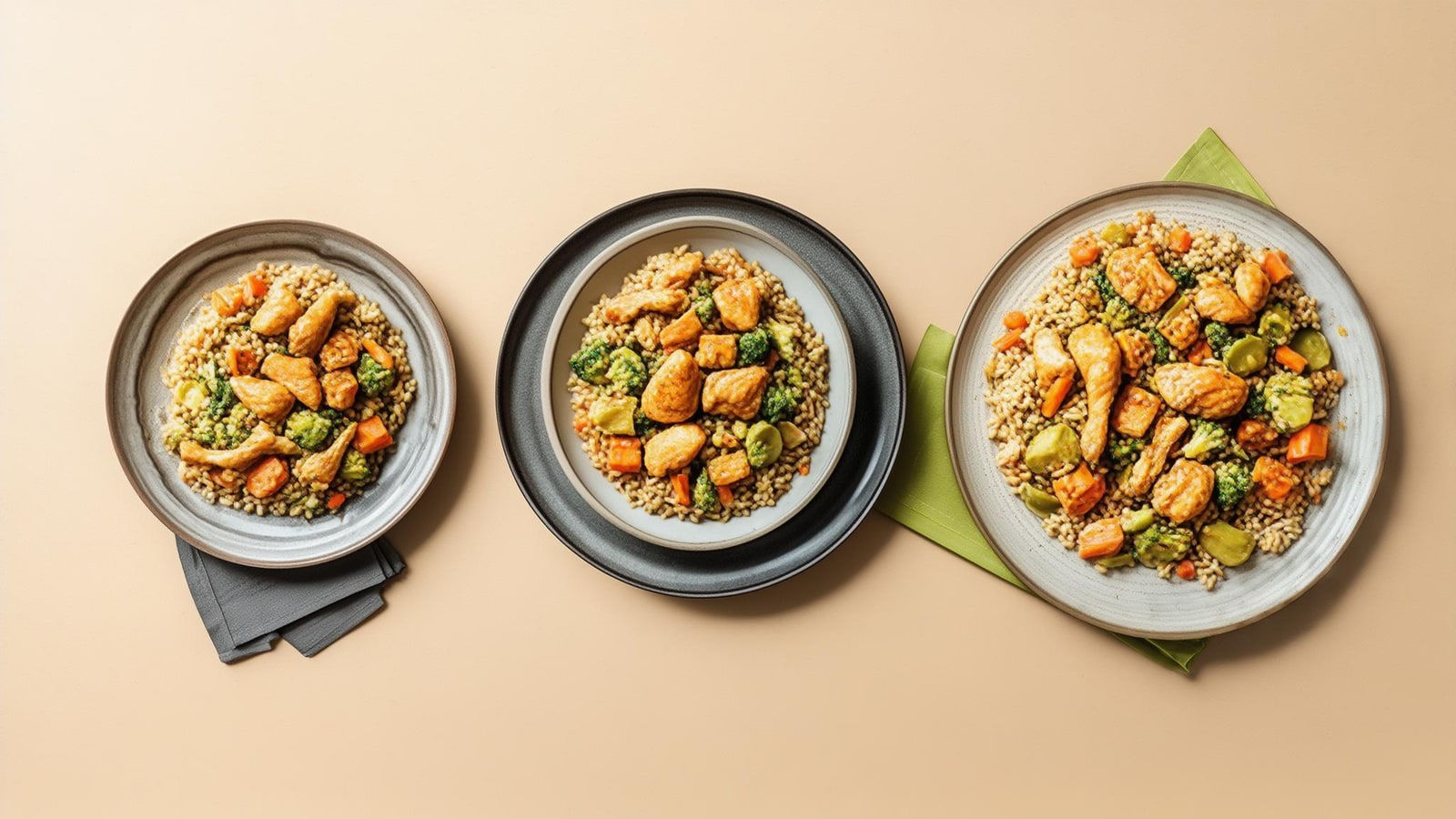
How Portion Size Changes a Calorie Estimate
For a matched food record, nutrition changes in direct proportion to the edible gram weight. A 50 percent larger portion produces roughly 50 percent more of every nutrient in that record, which is why correcting the amount often matters more than chasing a different entry.
Food logging · 4 min read
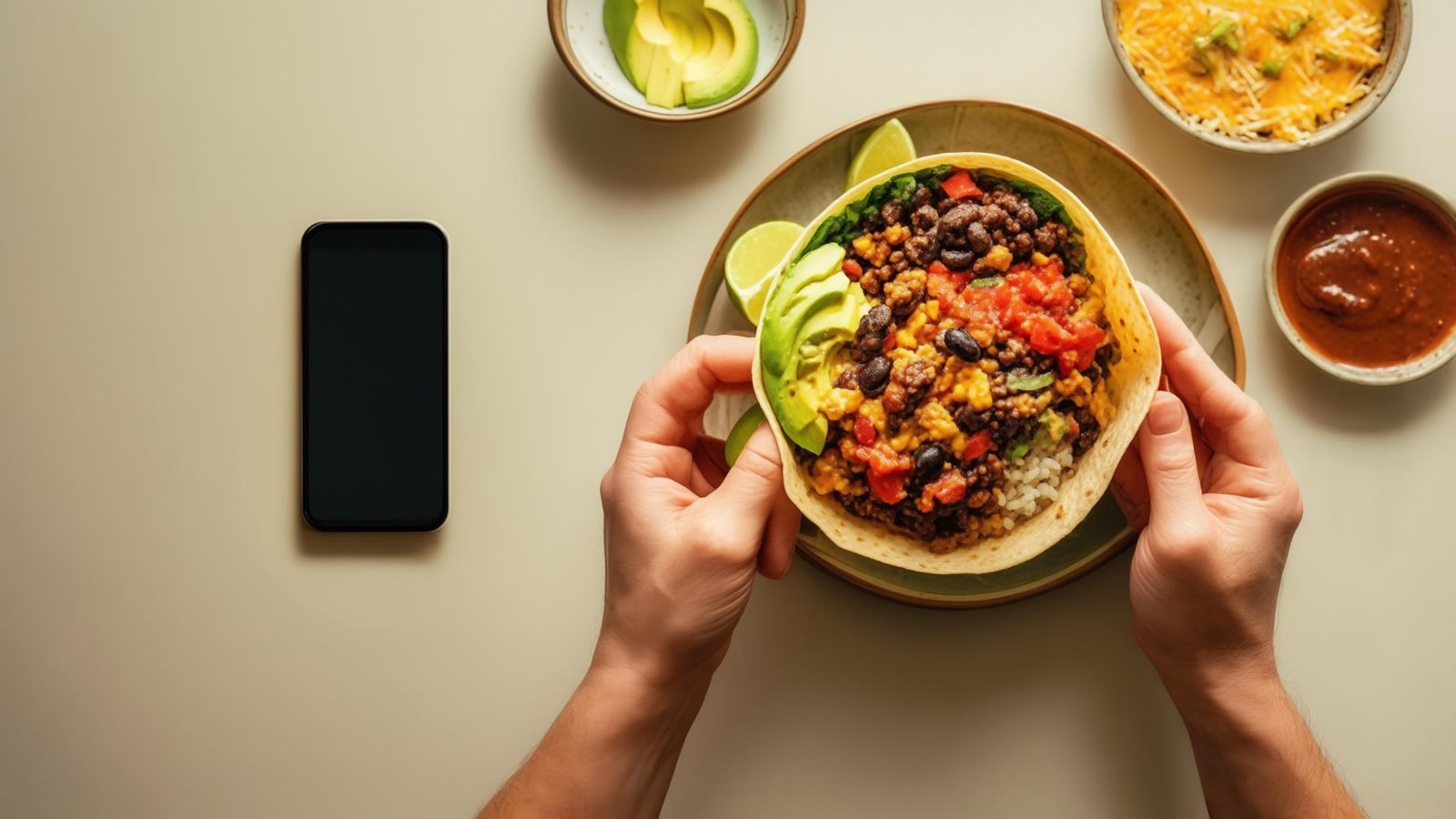
How to Correct a Food Scan Without Starting Over
Keep the useful parts of a scan and correct only what changes the result: verify the main foods, choose the right preparation, adjust portions, add hidden extras, and remove duplicates. If one component is uncertain, replace that component instead of rebuilding the whole meal.
Food logging · 4 min read
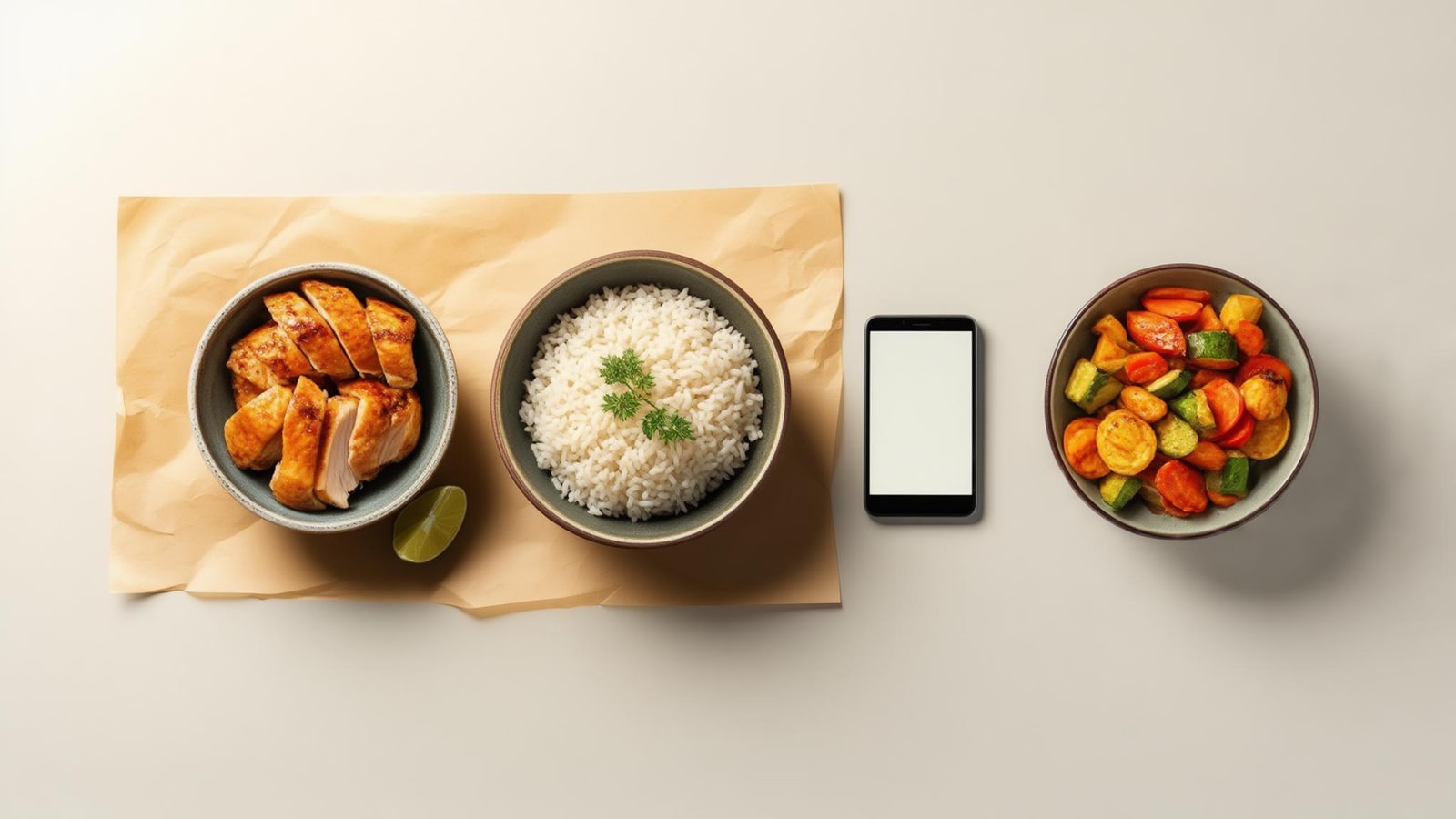
Why Tab Never Lets AI Invent Calories
Tab allows a vision model to identify foods and estimate portion grams, but it does not accept calorie or nutrient values from that model. Nutrition is calculated from matched food-database records so each number has a food identity, portion, and correction path.