Start with the biggest possible error
A scan review is faster when you work from large consequences to small ones. Confirm the entrée and major sides before editing garnish. If the app identified fried fish as grilled chicken, changing that identity matters more than adjusting a tomato slice. Next check whether every substantial component appears exactly once. A missing cup of rice or duplicate serving of pasta can shift the meal more than fine-tuning several correct items.
Do not judge only by the total. Two wrong assumptions can partly cancel each other and produce a believable number. Inspect the components that produced it. Tab is designed around editable food identities and portions because a grounded total is only as appropriate as those inputs. The review screen is not an apology for scanning; it is the part that turns a quick visual draft into a record you can defend and reuse.
Correct identity and preparation first
Choose the food you actually ate, including meaningful preparation details. Raw and cooked records differ. Breaded, fried, skin-on, sweetened, reduced-fat, drained, and sauce-prepared versions can differ from a generic name. For packaged foods, compare the retrieved product with the current label. For a restaurant item, use the restaurant’s published information when available. A close-looking generic item should not override direct information from the food itself.
When a mixed dish has no exact match, decide whether a whole-dish estimate or component approach is easier to verify. A known recipe is strongest because you can calculate ingredients and yield. For an unfamiliar bowl, separate major visible parts such as grain, protein, vegetables, sauce, and toppings. Do not pretend you know the recipe. Pick reasonable records, include uncertainty, and resist adding a long list of speculative ingredients that creates false precision.
Evidence for this section: USDA FoodData Central · U.S. Food and Drug Administration
Adjust the portion with concrete clues
Replace a visual gram estimate with a better clue whenever one exists: package weight, label serving, restaurant portion, recipe fraction, known scoop, measuring cup, or scale. If none exists, compare the estimate with your plate and typical portion. Change the amount, not the nutrient fields. When nutrition is calculated from a food record, editing grams preserves the relationship among calories and nutrients instead of constructing an inconsistent custom total.
Pay special attention to high-impact additions. Oil used in cooking, butter, dressing, mayo, cheese, nuts, syrup, and caloric beverages can be partly hidden or outside the frame. Add what you know was used, but avoid automatically assigning every suggested extra. If a pan used oil for several servings, divide it reasonably across the batch. If dressing was served on the side, log the portion consumed rather than the full container.
Evidence for this section: USDA FoodData Central · U.S. Food and Drug Administration · National Institute of Diabetes and Digestive and Kidney Diseases
Use replace, add, and remove deliberately
Replace an item when its identity is wrong but its place in the meal is correct. Add an item when the scan missed a food, drink, condiment, or topping. Remove an item when it is not edible, was not consumed, or duplicates another component. These small operations preserve the rest of the scan and make correction quicker than starting from an empty meal. Before saving, read the list once in the same order you see the plate.
If search results are ambiguous, use qualifiers that distinguish the food: brand, cooking method, fat level, drained state, or “cooked” versus “dry.” Check the unit shown with each result. A household measure can conceal a different gram conversion, while entering grams makes the comparison explicit. If no suitable database match exists, choose the closest defensible food and keep the estimate visible rather than selecting an unrelated exact-looking entry.
Save the correction as future leverage
A corrected meal is most valuable when it reduces later work. Save recurring breakfasts, recipes, and takeout orders once they reflect your real portions. The next log can start from that known version and change only what differs. If your normal portion changes, update it rather than keeping a familiar but stale entry. Consistent correction creates a useful personal library; repeatedly accepting obvious errors creates history that looks complete but is hard to interpret.
Before promoting a correction to a default, compare it with the best direct evidence available. Check the current package serving, the recipe quantities and yield, or one measured preparation at home. Name the saved version specifically enough to distinguish meaningful variations, such as “weekday oats with milk” and “weekend oats with nuts.” That small investment prevents a guessed scan from becoming a repeated error. When a brand, recipe, or serving vessel changes, review the saved entry once and then return to the faster workflow. Preserve a note about the changed assumption.
Important context
This article provides general information for adults and is not individualized medical, nutrition, or exercise advice. Talk with a qualified health professional about needs related to a health condition, pregnancy, medication, injury, or eating-disorder history.
Sources
- Foundation Foods DocumentationUSDA FoodData Central · Accessed 2026-09-11
- How to Understand and Use the Nutrition Facts LabelU.S. Food and Drug Administration · Accessed 2026-09-11
- Food Portions: Choosing Just Enough for YouNational Institute of Diabetes and Digestive and Kidney Diseases · Accessed 2026-09-11
About these guides
Tab publishes conservative, evidence-led explanations for everyday food logging and fitness decisions. Estimates remain estimates, and individual needs vary.
Read our editorial standardsKeep reading
Related guides
Food logging · 4 min read
How Photo Calorie Scanning Works — and Where Estimates Go Wrong
A photo scan is a fast first draft, not a measurement. It can identify visible foods and suggest portions, but the useful result comes from matching those foods to nutrition records and letting you correct portions, preparation, and hidden extras before saving.
Food logging · 4 min read
How Portion Size Changes a Calorie Estimate
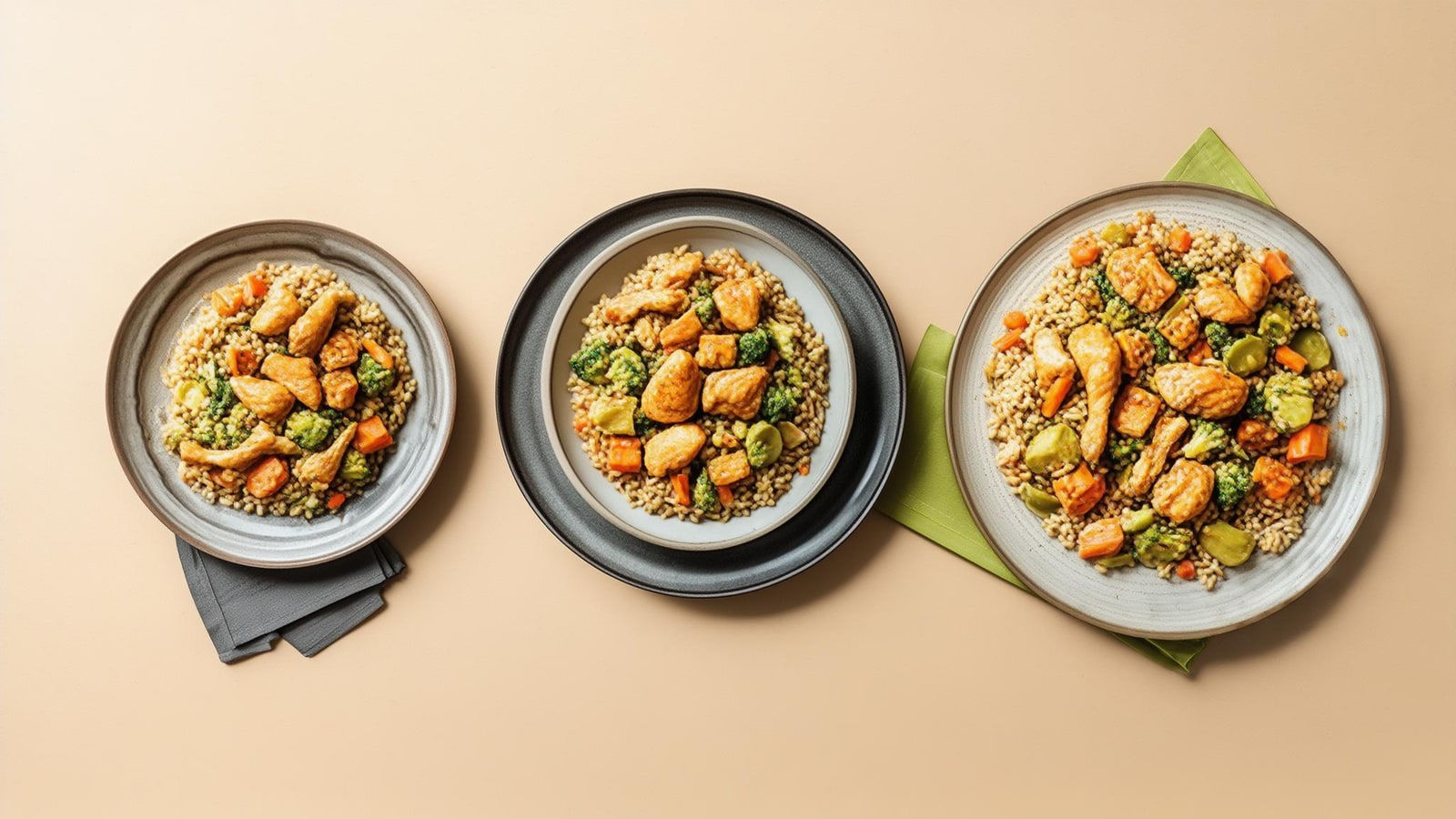
For a matched food record, nutrition changes in direct proportion to the edible gram weight. A 50 percent larger portion produces roughly 50 percent more of every nutrient in that record, which is why correcting the amount often matters more than chasing a different entry.
Food logging · 5 min read
Barcode, Nutrition Label, Search, or Photo: Which Logging Method Should You Use?
Use the most direct evidence available: a verified label for packaged food, a saved recipe for meals you cook repeatedly, database search for simple foods, and a photo when speed matters and the meal is visually identifiable. You can switch methods whenever the first result is weak.