The simple math beneath the estimate
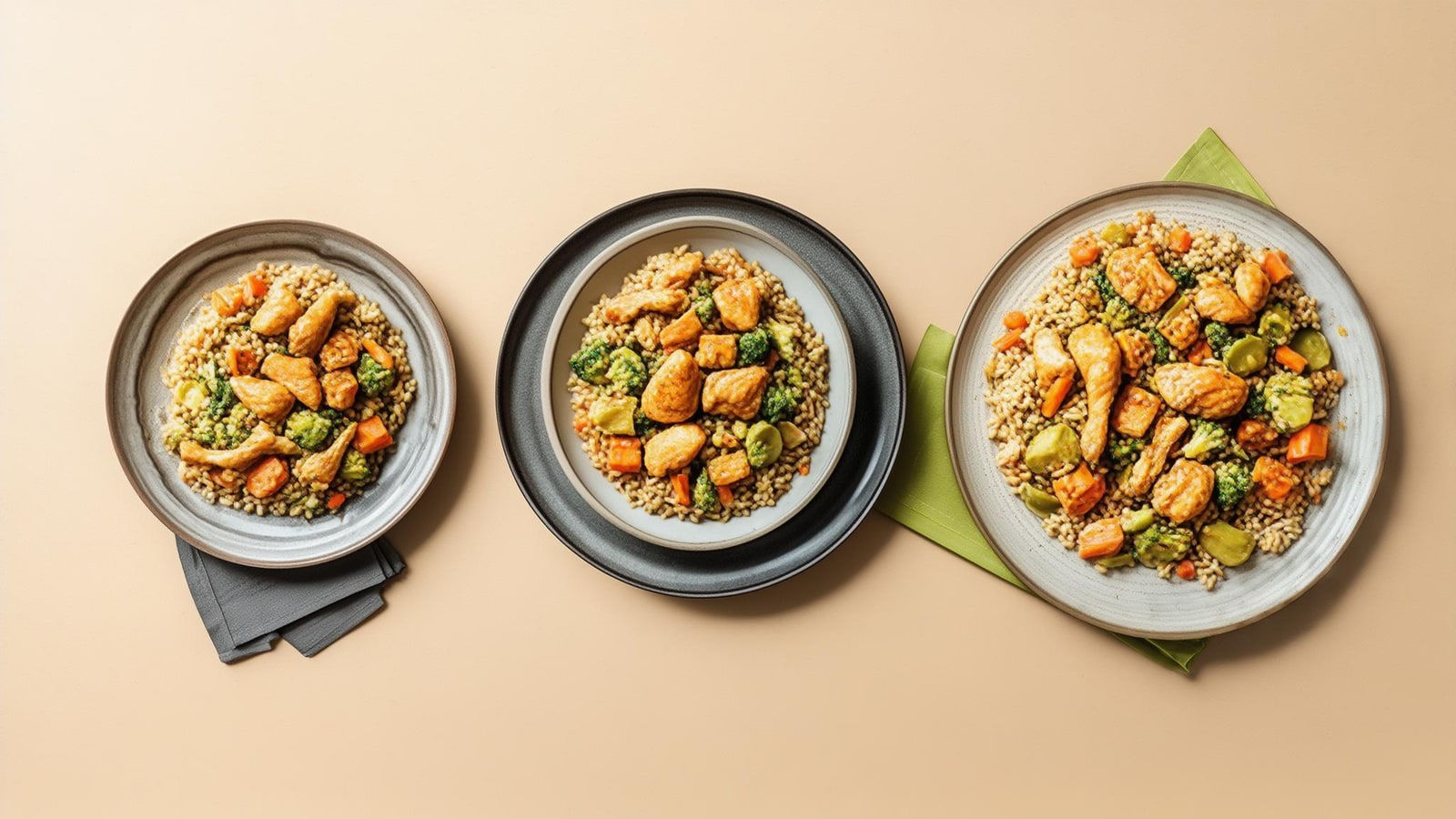
Many food composition records express nutrients per 100 grams. USDA documentation describes the portion calculation as the per-100-gram value multiplied by portion weight and divided by 100. If a food record lists 200 calories per 100 grams, a 150-gram portion calculates to 300 calories. The same scaling applies to protein, carbohydrate, fat, and the nutrients available for that record. The arithmetic is straightforward; estimating the correct edible weight is usually the uncertain step.
This relationship explains why a small-looking portion correction can move a meal total. Changing 80 grams to 120 grams is not a 40-gram footnote; it is a 50 percent increase. The effect is larger in energy-dense foods because each additional gram carries more energy. A modest visual error in oil, nut butter, cheese, dressing, or a rich sauce can matter more than a larger volume error in watery vegetables.
Evidence for this section: USDA FoodData Central
Volume, weight, and serving size are different
A cup is a volume measure, grams are weight, and a label serving is a manufacturer-defined reference amount. They can describe the same food, but they are not interchangeable without a conversion for that specific item. One cup of leafy greens does not weigh what one cup of cooked rice weighs. A “serving” is also not a rule for how much you must eat. It is the quantity used to present the label values, which you scale to the amount consumed.
FoodData Central includes gram weights for some household measures and portions, but those weights belong to particular records and data types. Do not borrow a conversion from a different preparation simply because the names sound close. Dry pasta and cooked pasta, kernels and popped popcorn, or raw and cooked meat have different water content and density. Select the correct state first, then use the relevant measure or enter grams directly.
Evidence for this section: USDA FoodData Central · U.S. Food and Drug Administration
Build useful visual anchors
A kitchen scale is the clearest way to learn a portion, but it need not stay on the table forever. Weigh the bowl empty once, or use the tare button, then note what your usual scoop of cereal, rice, or yogurt weighs. Repeat with a few foods that meaningfully affect your totals. Familiar plate sections, package fractions, slice counts, and recipe yields become personal anchors. They are more useful than generic hand-size comparisons because they reflect your dishes and products.
For a shared recipe, weigh or estimate the finished yield and divide it into the portions actually served. If a pot makes six equal servings, save one-sixth rather than recreating every ingredient at dinner. When servings are unequal, weigh the finished dish and your plate. The aim is a defensible repeatable method, not ceremonial precision. Consistent approximation lets you compare days; occasional measurement recalibrates the approximations when portions drift.
Evidence for this section: National Institute of Diabetes and Digestive and Kidney Diseases
Review portions in the right order
Begin with the main energy contributors: entrée, starch, cooking fat, sauce, cheese, nuts, and caloric drinks. Then check protein portions if protein is a target you watch. Finally, review low-energy garnishes if they are nutritionally relevant or you want a complete record. This order prevents spending most of your attention on tiny ingredients while the rice or dressing remains substantially wrong. It also keeps review fast enough to repeat.
Use contextual evidence. A package may state the net weight and number of pieces. A restaurant may publish a portion. A recipe tells you how much oil entered the full batch, although not every drop necessarily reaches each serving. A photo offers plate coverage and depth clues but cannot resolve hidden weight. When the evidence conflicts, prefer the direct measurement or label and edit the scan rather than forcing the visual estimate to win.
Evidence for this section: National Institute of Diabetes and Digestive and Kidney Diseases · U.S. Food and Drug Administration
Do not confuse precision with certainty
An entry can display 327 calories and still be based on an approximate portion. Extra digits come from arithmetic, not necessarily from better knowledge of the meal. Round your expectations even if the app retains exact calculations internally. Look for directional usefulness: was the portion closer to one serving or two, was oil included, and is the food record appropriate? A reasonable, transparent estimate used consistently supports better decisions than a highly specific number built on hidden assumptions.
Remember to estimate the edible amount, not automatically the weight purchased or placed on the plate. Bones, peels, pits, shells, cooking liquid left behind, and uneaten food can make those quantities different. USDA portion documentation describes weights for edible material and notes that portion information is specific to a food record. When leftovers are meaningful, adjust the consumed portion rather than logging the original serving. This is especially useful for bone-in meat, fruit with refuse, shared dishes, and restaurant portions saved for later.
Evidence for this section: USDA FoodData Central
Important context
This article provides general information for adults and is not individualized medical, nutrition, or exercise advice. Talk with a qualified health professional about needs related to a health condition, pregnancy, medication, injury, or eating-disorder history.
Sources
- Foundation Foods DocumentationUSDA FoodData Central · Accessed 2026-09-11
- Food Portions: Choosing Just Enough for YouNational Institute of Diabetes and Digestive and Kidney Diseases · Accessed 2026-09-11
- How to Understand and Use the Nutrition Facts LabelU.S. Food and Drug Administration · Accessed 2026-09-11
About these guides
Tab publishes conservative, evidence-led explanations for everyday food logging and fitness decisions. Estimates remain estimates, and individual needs vary.
Read our editorial standardsKeep reading
Related guides
Food logging · 4 min read
How Photo Calorie Scanning Works — and Where Estimates Go Wrong
A photo scan is a fast first draft, not a measurement. It can identify visible foods and suggest portions, but the useful result comes from matching those foods to nutrition records and letting you correct portions, preparation, and hidden extras before saving.
Food logging · 4 min read
How to Correct a Food Scan Without Starting Over
Keep the useful parts of a scan and correct only what changes the result: verify the main foods, choose the right preparation, adjust portions, add hidden extras, and remove duplicates. If one component is uncertain, replace that component instead of rebuilding the whole meal.
Food logging · 5 min read
Barcode, Nutrition Label, Search, or Photo: Which Logging Method Should You Use?
Use the most direct evidence available: a verified label for packaged food, a saved recipe for meals you cook repeatedly, database search for simple foods, and a photo when speed matters and the meal is visually identifiable. You can switch methods whenever the first result is weak.