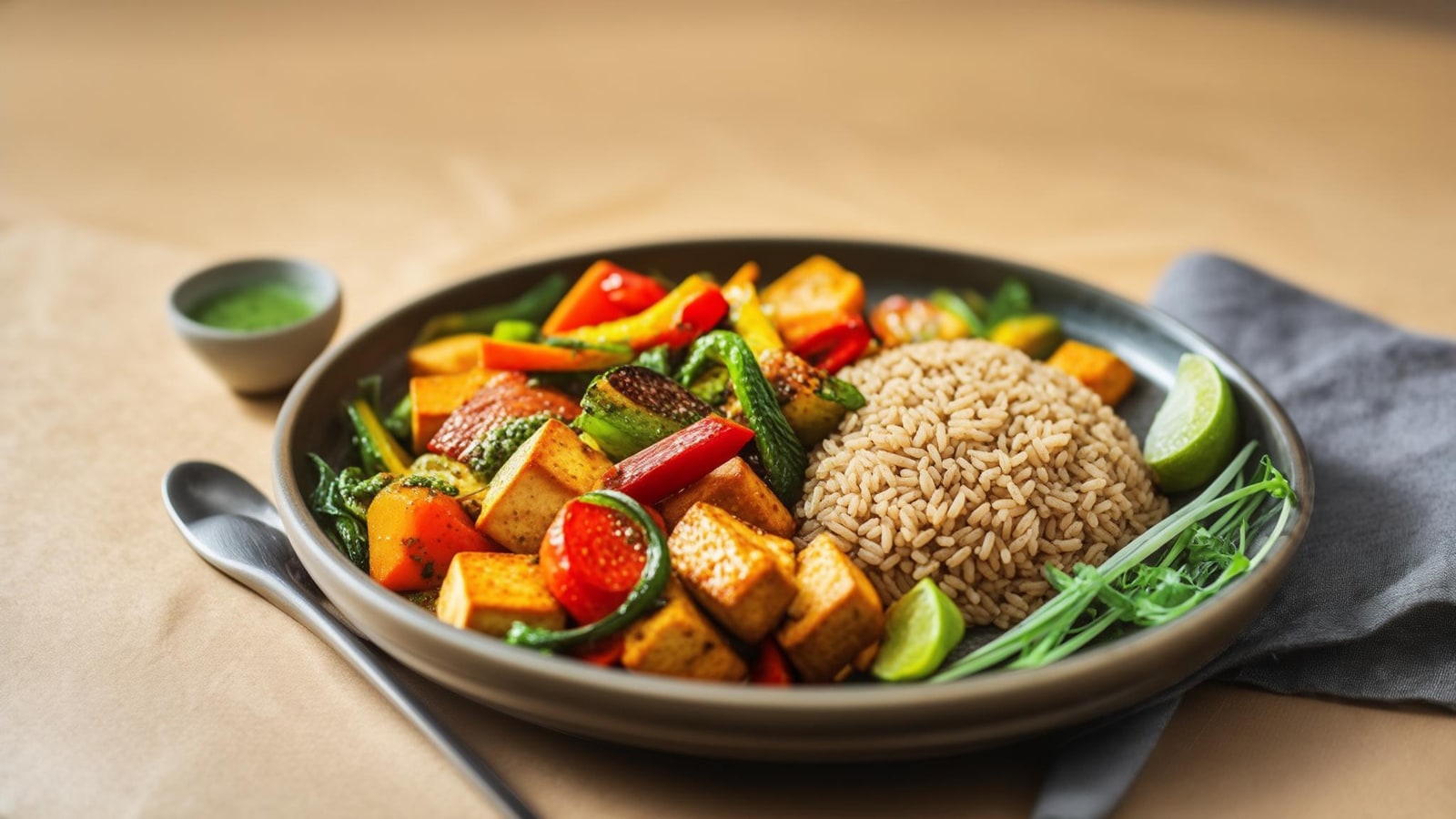
Use the plate as a prompt, not a scorecard
USDA MyPlate organizes eating around fruits, vegetables, grains, protein foods, and dairy or fortified soy alternatives. Its value is visual simplicity: it reminds you to include more than one kind of food without requiring a nutrient calculation at every meal. A real plate does not need to reproduce the icon exactly. Cultural dishes, mixed bowls, sandwiches, soups, breakfasts, and snacks can express the same variety in different forms across the day.
Start by asking what is already present and what would make the meal more complete or satisfying. A pasta dish may need vegetables and a protein; a large salad may need a substantial carbohydrate and dressing; eggs and toast may benefit from fruit. This is a construction question, not a moral judgment. One meal does not need to carry every food group, and a day with imperfect proportions can still fit a varied overall pattern.
Evidence for this section: U.S. Department of Agriculture · U.S. Department of Health and Human Services and U.S. Department of Agriculture
Choose a meaningful produce component
Fruit and vegetables can be fresh, frozen, canned, dried, cooked, or raw. Choose forms that fit the meal, budget, access, and time. Roasted frozen vegetables count; so do beans in a chili, tomatoes in a stew, fruit with breakfast, and canned vegetables with lower sodium when that matters to you. Variety over time is more useful than forcing a token garnish onto every plate. Pick colors, textures, and preparations you genuinely enjoy enough to repeat.
For mixed meals, identify the produce already inside before adding more. A curry may contain several vegetables, and a lentil soup may contribute legumes plus carrots and tomatoes. If the serving leaves you unsatisfied, increasing low-energy garnish is not the only answer. The meal may need more starch, protein, fat, or total food. Balance includes adequacy and pleasure, not merely making vegetables occupy the largest visible area.
Evidence for this section: U.S. Department of Agriculture · U.S. Department of Health and Human Services and U.S. Department of Agriculture
Add protein and carbohydrate with context
Protein foods can include seafood, meat, poultry, eggs, beans, peas, lentils, nuts, seeds, soy foods, and other options that fit your needs. Grains and starchy foods provide energy and can include rice, bread, pasta, oats, corn, potatoes, plantains, and more. Choose amounts based on appetite, activity, meal timing, and the rest of the day. A hard training session may call for a different plate than a quiet evening, and individual medical needs may change the choice.
Do not treat carbohydrate as the part that must be earned or protein as a magic correction for every meal. Both can support satisfaction and function in different ways. If you track macros, the plate can become a quick first draft that you refine with actual portions. If you do not track, use familiar serving tools—your bowl, spoon, slices, or packaged portion—to repeat meals that feel good and adjust them based on hunger, energy, and practical outcomes.
Evidence for this section: U.S. Department of Health and Human Services and U.S. Department of Agriculture
Keep flavor and fat visible in the plan
Oil, dressing, cheese, nuts, seeds, avocado, sauces, and spreads contribute flavor, texture, and energy. They are not mistakes, but they are easy to forget when estimating a meal because some disappear into cooking or sit beneath other ingredients. Include them deliberately. A plate of plain components you do not enjoy is unlikely to become a durable default. A measured or familiar amount of a flavorful addition can make vegetables, grains, and proteins feel like one coherent meal.
Portion awareness does not require placing every ingredient on a scale. Use the container, spoon, slice, or recipe yield when it gives useful information. Check a label for a new sauce, then learn what your usual pour looks like. For a homemade dressing, calculate the recipe once if precision matters. The goal is to reduce repeated uncertainty, not to replace cooking with arithmetic. When the meal is occasional, a reasonable estimate may be entirely adequate.
Evidence for this section: U.S. Department of Health and Human Services and U.S. Department of Agriculture · National Institute of Diabetes and Digestive and Kidney Diseases
Adapt the framework to real life
For breakfast, the pattern might be yogurt or soy yogurt, oats, fruit, and nuts. For a sandwich, it might be bread, a protein filling, vegetables, and a side of fruit. For tacos, the groups are distributed among tortillas, beans or meat, salsa, cabbage, cheese, and sides. Frozen meals can be paired with produce or another protein when the label and your appetite suggest it. Convenience is compatible with balance when it helps you eat a complete meal reliably.
Review how the meal works rather than whether it looks photographically perfect. Did it satisfy you until the next planned eating occasion? Was the portion practical? Did it support training, work, culture, and enjoyment? Adjust one component next time. People with diabetes, kidney disease, gastrointestinal conditions, allergies, pregnancy, or eating-disorder history may need a different framework from a qualified professional. A balanced plate is a general organizing tool, not individualized treatment or a universal ratio.
Evidence for this section: U.S. Department of Agriculture · National Institute of Diabetes and Digestive and Kidney Diseases
Important context
This article provides general information for adults and is not individualized medical, nutrition, or exercise advice. Talk with a qualified health professional about needs related to a health condition, pregnancy, medication, injury, or eating-disorder history.
Sources
- MyPlate.govU.S. Department of Agriculture · Accessed 2026-09-13
- Dietary Guidelines for AmericansU.S. Department of Health and Human Services and U.S. Department of Agriculture · Accessed 2026-09-11
- Food Portions: Choosing Just Enough for YouNational Institute of Diabetes and Digestive and Kidney Diseases · Accessed 2026-09-11
About these guides
Tab publishes conservative, evidence-led explanations for everyday food logging and fitness decisions. Estimates remain estimates, and individual needs vary.
Read our editorial standardsKeep reading
Related guides
Nutrition · 4 min read
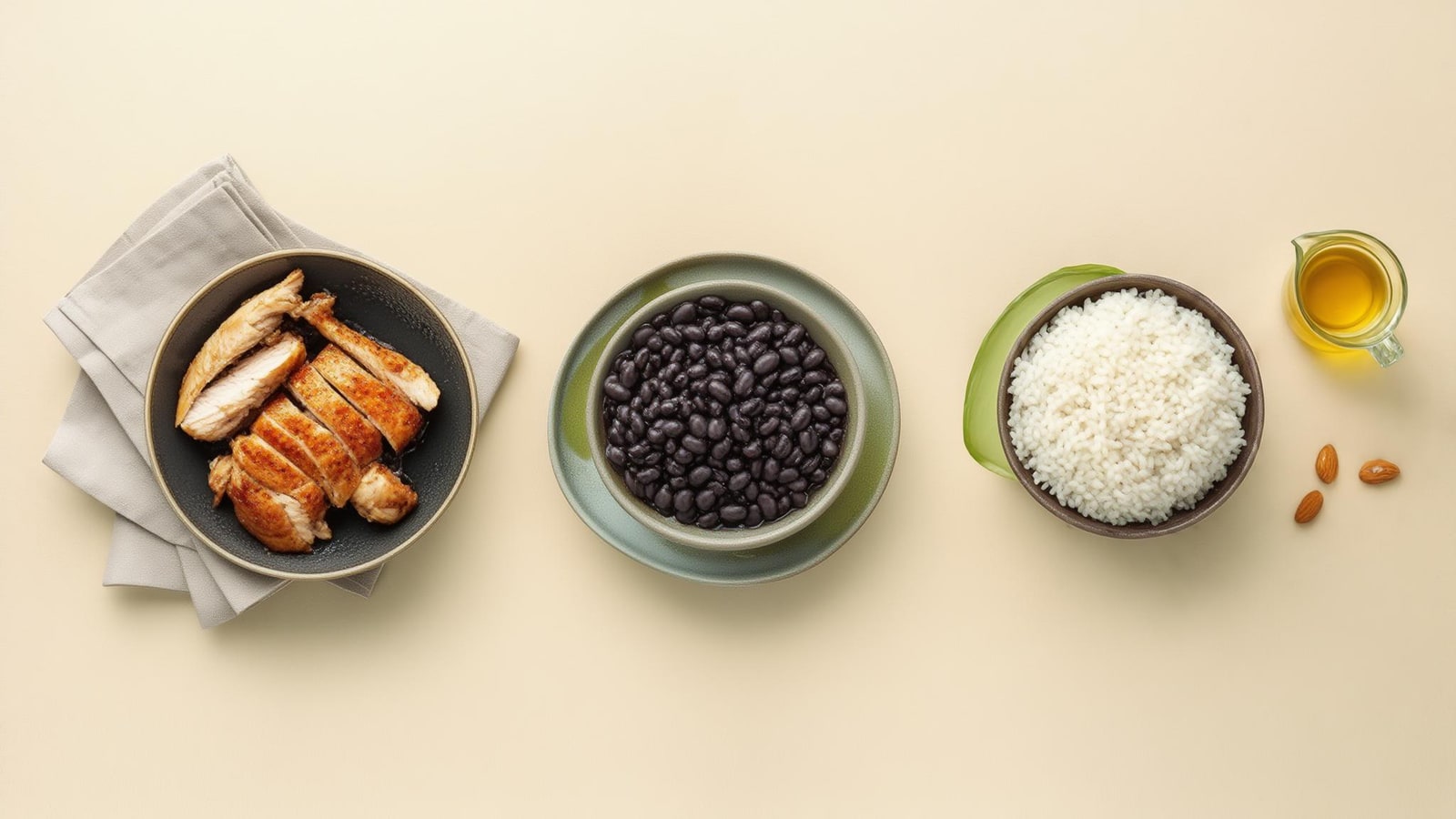
Protein, Carbs, and Fat: A Practical Guide to Setting Macros
Set total energy first, choose a practical protein target, keep enough fat for a varied diet, and let carbohydrate fill much of the remaining space according to activity and preference. Treat macro targets as flexible ranges, not three daily pass-or-fail tests.
Nutrition · 4 min read
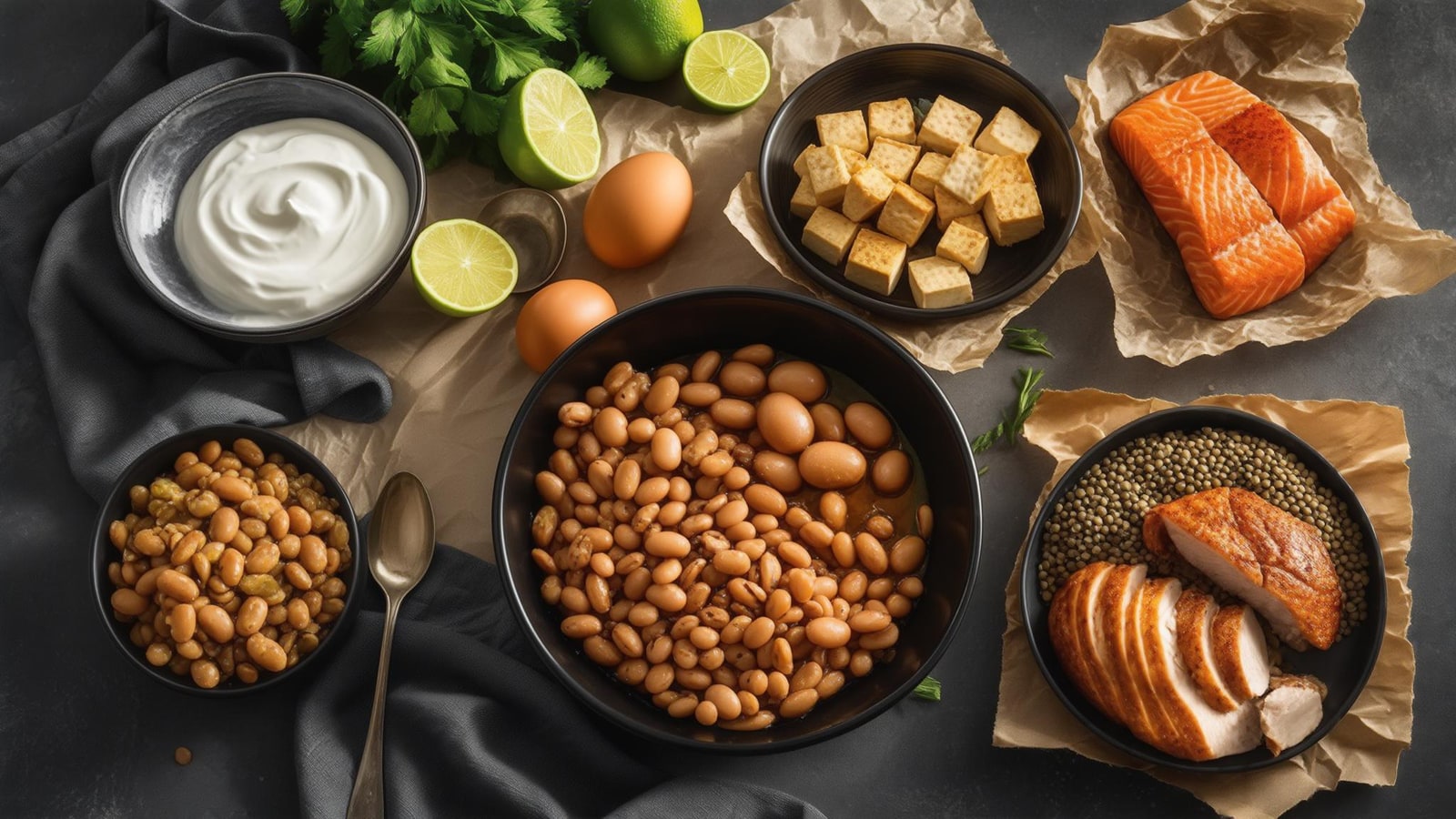
High-Protein Foods That Fit an Everyday Grocery List
Choose several protein foods you already enjoy across refrigerated, frozen, and shelf-stable categories. Pair quick options with ingredients for cooked meals, compare labels when products vary, and buy enough variety that reaching protein does not mean eating the same dish every day.
Habits · 4 min read
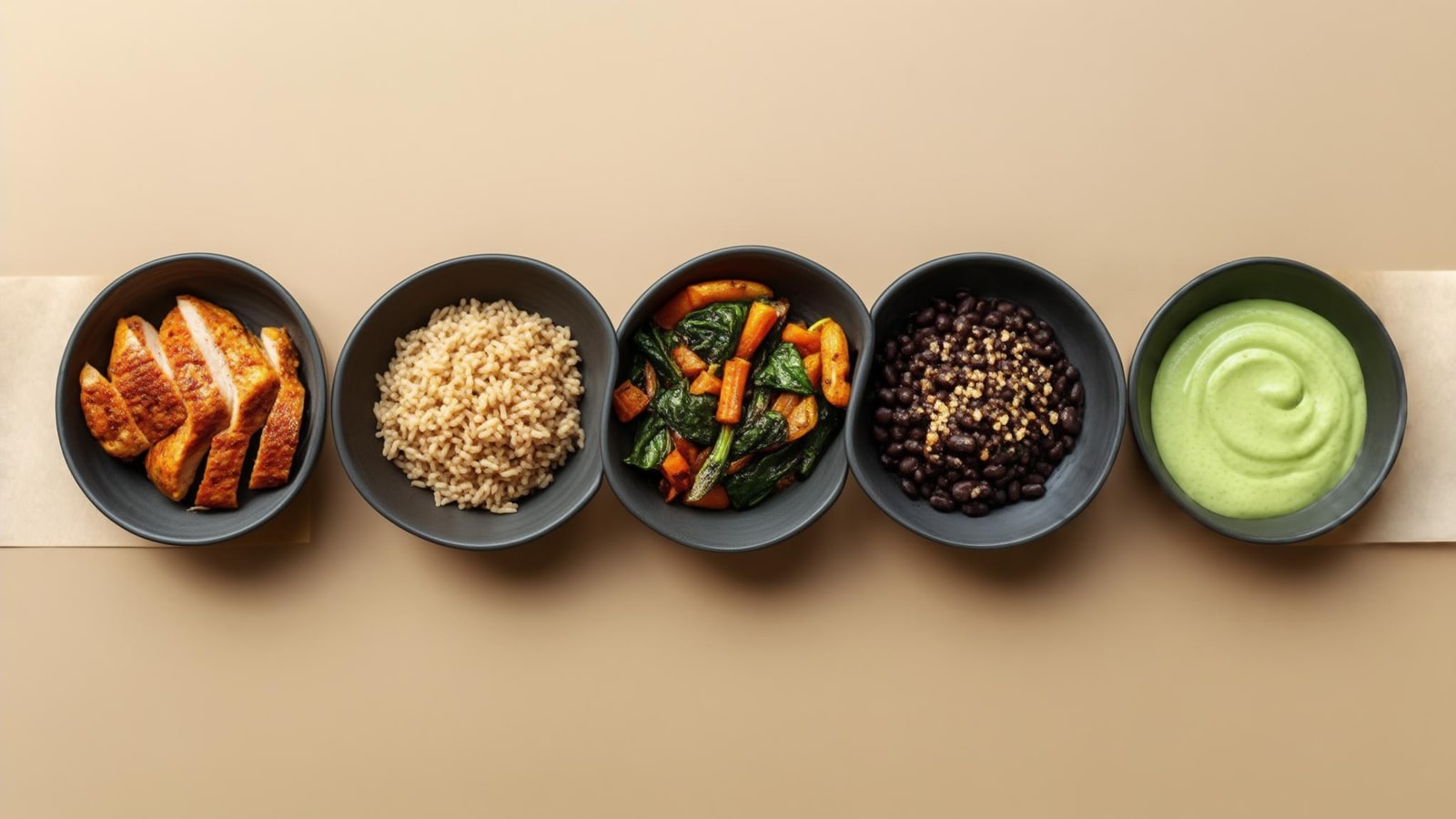
Meal Planning for Busy Weeks Without Eating the Same Thing Every Day
Plan components rather than seven finished dinners: prepare a few proteins, vegetables, and starches, then change sauces, formats, and textures. Add two true backup meals and leave intentional open space for leftovers, restaurants, or changed plans.