
Plan for a different schedule, not a different identity
Weekends often change wake time, meal timing, restaurant exposure, alcohol, family responsibilities, and access to usual foods. A weekday routine copied without adjustment may fail because the environment changed, not because motivation disappeared. Look at the actual plans: a late brunch, a game, a long shift, travel, or dinner with friends. Keep the parts that still fit and deliberately redesign the rest. Flexibility is a planning skill, not evidence that the goal has been abandoned.
Choose two or three anchors that are easy to recognize across schedules. They might be a protein-containing breakfast when hungry, produce with two meals, water access, a planned grocery option at home, or recording meals close enough to remember. Anchors should support the day without dictating every choice. A brunch can replace breakfast and lunch; a restaurant dinner can be the planned dinner. The calendar label does not change how energy balance or nourishment works.
Evidence for this section: National Institute of Diabetes and Digestive and Kidney Diseases
Make room without paying in advance
If a larger meal is expected, you can choose earlier meals that leave comfortable room while still providing adequate food. That is different from skipping meals, arriving extremely hungry, or performing exercise as payment. Severe compensation often makes the social meal harder to navigate and can reinforce an all-or-nothing cycle. Eat in a way that supports your energy and appetite, then choose the foods you want at the event with the information available.
Plan the decision that matters most. You may care about a favorite entrée, dessert, drinks, or sharing several dishes. Preserve that choice and simplify elsewhere without labeling foods good or bad. If calorie tracking is useful, pre-log known menu items as a planning estimate and update what changed. If the restaurant has no data, use components or a comparable meal and accept uncertainty. The evening does not need to become exact to remain part of the week.
Evidence for this section: Centers for Disease Control and Prevention · National Institute of Diabetes and Digestive and Kidney Diseases
Keep tracking proportional to the evidence
Log packaged and repeated foods normally. For restaurant or shared meals, capture a photo, note major components, and complete a reasonable entry when convenient. A social event is rarely improved by prolonged database searching at the table. The systematic review literature shows wide variation in self-monitoring intensity and adherence, and it does not establish one perfect method for every context. A lower-friction honest record can be more sustainable than a highly detailed routine you avoid entirely.
Do not modify the estimate until the weekly result looks emotionally acceptable. That reverses the purpose of tracking. Use published restaurant information, visible portions, drinks, sauces, and second servings as evidence. If the range is wide, interpret the day accordingly. One uncertain Saturday should not drive a precise target change. Several weekends with similar patterns can still reveal useful structure, especially when the logging method remains reasonably consistent from week to week.
Evidence for this section: Public Health Nutrition via PubMed Central
Avoid the Monday correction cycle
A Monday reset often pairs an expansive weekend with abrupt restriction, an unusually hard workout, or rigid food rules. That creates two routines competing with each other. Instead, return to the next ordinary meal. Use your usual breakfast, grocery plan, walk, or training session because it belongs in the schedule, not because it cancels anything. NIDDK and CDC guidance treats setbacks as normal and emphasizes realistic, specific actions rather than perfection.
Scale weight may rise temporarily after restaurant meals because of food mass, carbohydrate-related water storage, sodium, hydration, and timing. Do not interpret one morning as a precise measure of fat change. Use the same weighing conditions and examine a trend if weight tracking is appropriate for you. Avoid cutting intake based on one data point. If weighing or logging fuels anxiety or compensatory behavior, step away and discuss the pattern with a qualified professional.
Evidence for this section: National Institute of Diabetes and Digestive and Kidney Diseases · Centers for Disease Control and Prevention
Run a short weekend review
On Sunday or Monday, ask three neutral questions: What plan helped? Where did the schedule create friction? What one change would make next weekend easier? Perhaps breakfast food was unavailable, the restaurant estimate took too long, or the late game left no practical dinner at home. Solve that concrete issue. Add groceries, save a meal, choose a quick fallback, or lower unnecessary logging detail. Do not respond by writing a stricter plan for an imaginary weekend with no invitations or fatigue.
A successful weekend supports both goals and life. It can include restaurants, rest, celebration, movement, convenience, and foods chosen for pleasure. Consistency means the overall pattern remains recognizable and you know how to return when plans change. It does not require Saturday and Tuesday to look identical. Preserve the habits that carry useful information, accept estimates where evidence is limited, and let the next meal be ordinary. That removes the need to start over because the routine never truly ended.
Evidence for this section: Public Health Nutrition via PubMed Central
Important context
This article provides general information for adults and is not individualized medical, nutrition, or exercise advice. Talk with a qualified health professional about needs related to a health condition, pregnancy, medication, injury, or eating-disorder history.
Sources
- A Systematic Review of the Use of Dietary Self-Monitoring in Behavioural Weight Loss InterventionsPublic Health Nutrition via PubMed Central · Accessed 2026-09-13
- Eating and Physical Activity to Lose or Maintain WeightNational Institute of Diabetes and Digestive and Kidney Diseases · Accessed 2026-09-11
- Steps for Losing WeightCenters for Disease Control and Prevention · Accessed 2026-09-11
About these guides
Tab publishes conservative, evidence-led explanations for everyday food logging and fitness decisions. Estimates remain estimates, and individual needs vary.
Read our editorial standardsKeep reading
Related guides

Habits · 4 min read
How to Return to Food Tracking After Missing a Day
Resume with the next meal you can record accurately. Add a broad estimate for the gap only when it provides useful context, and do not invent details or wait for a new week. Design a smaller fallback so future busy days are easier to capture.
Food logging · 5 min read
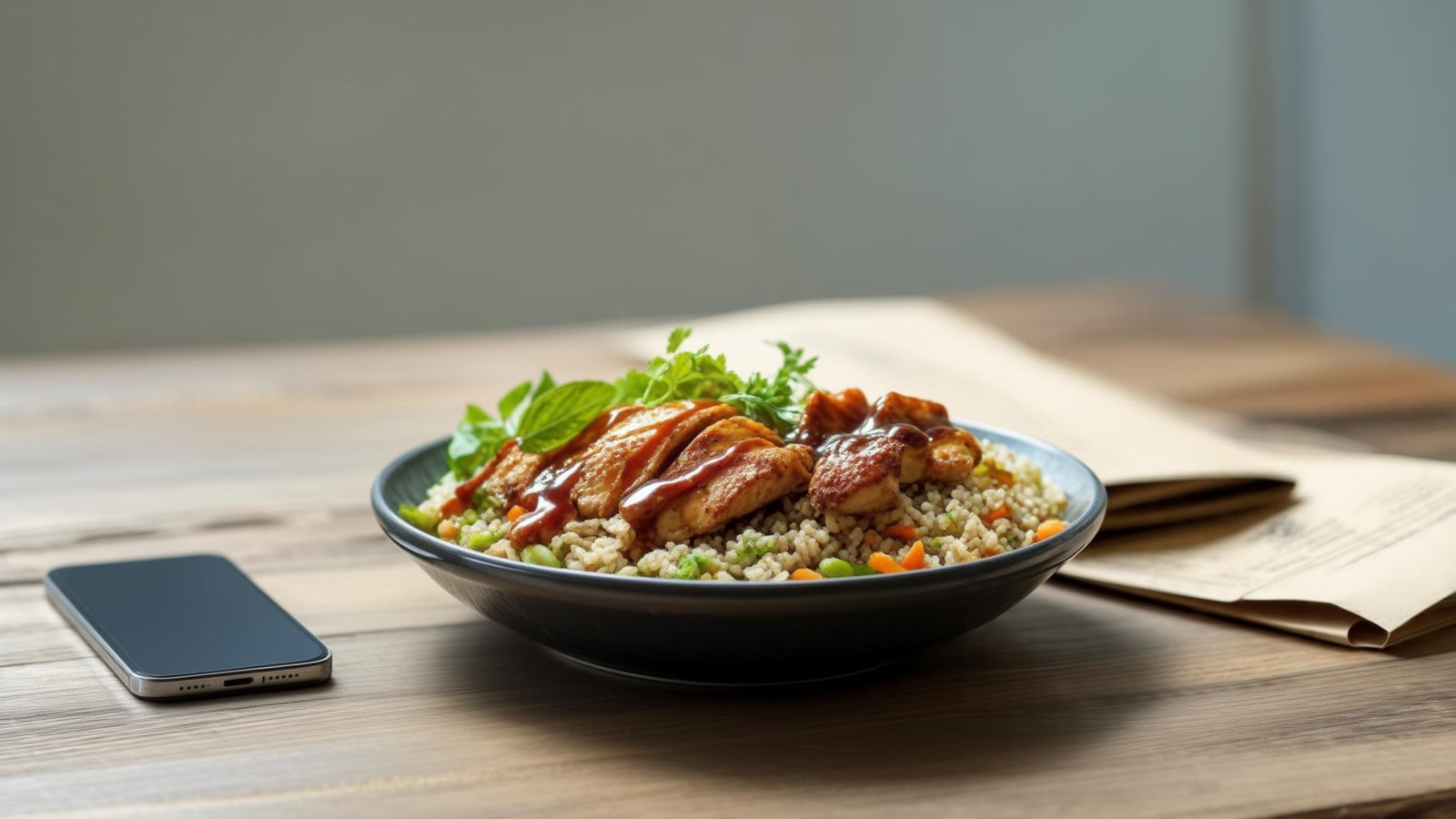
How to Log Restaurant Meals Without Pretending the Estimate Is Exact
Start with nutrition published for the exact restaurant item when it exists. Otherwise estimate the major components, cooking fats, sauces, and drinks from the strongest evidence available, then accept a wider uncertainty range instead of forcing a precise-looking number.
Habits · 4 min read
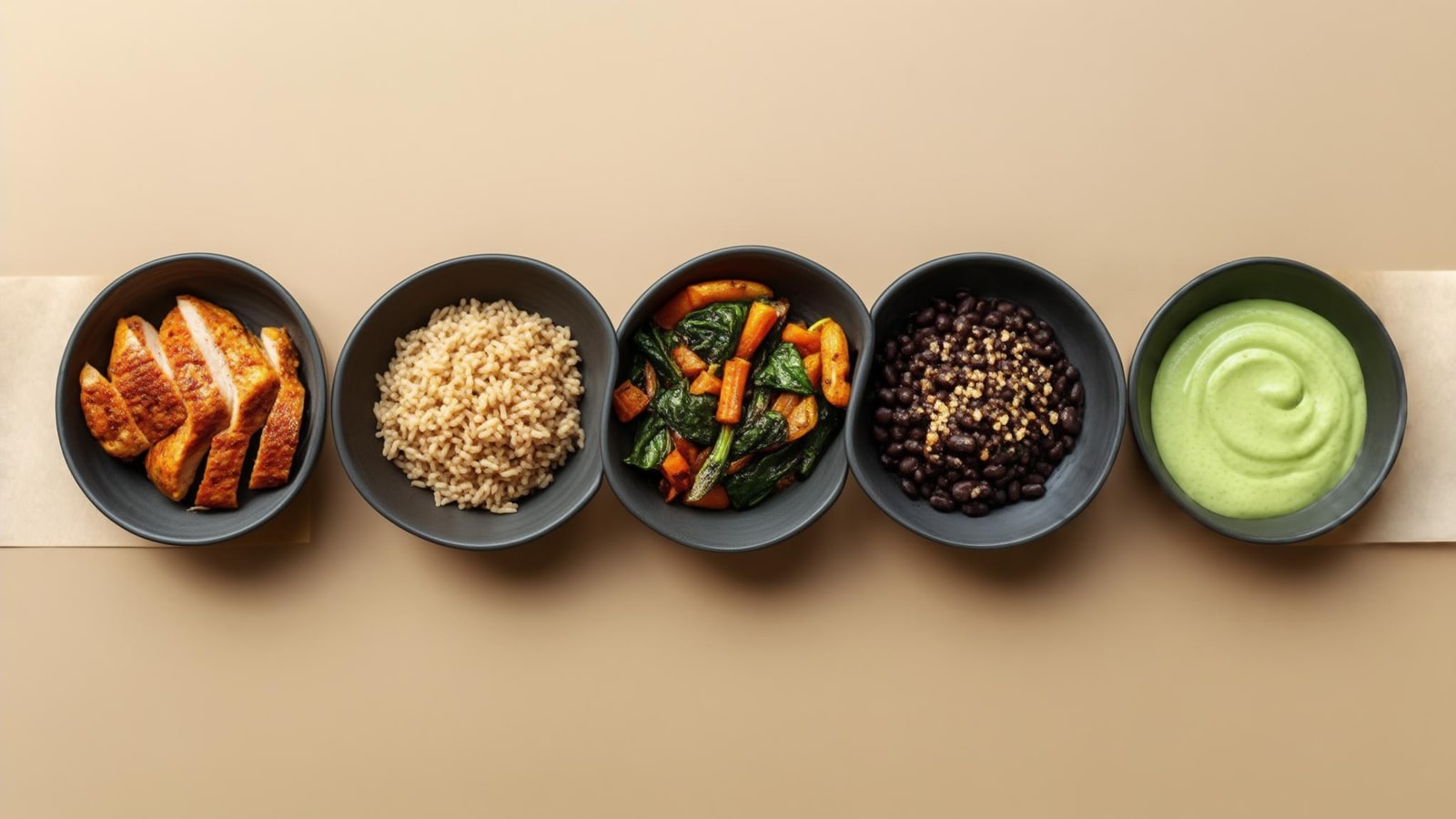
Meal Planning for Busy Weeks Without Eating the Same Thing Every Day
Plan components rather than seven finished dinners: prepare a few proteins, vegetables, and starches, then change sauces, formats, and textures. Add two true backup meals and leave intentional open space for leftovers, restaurants, or changed plans.