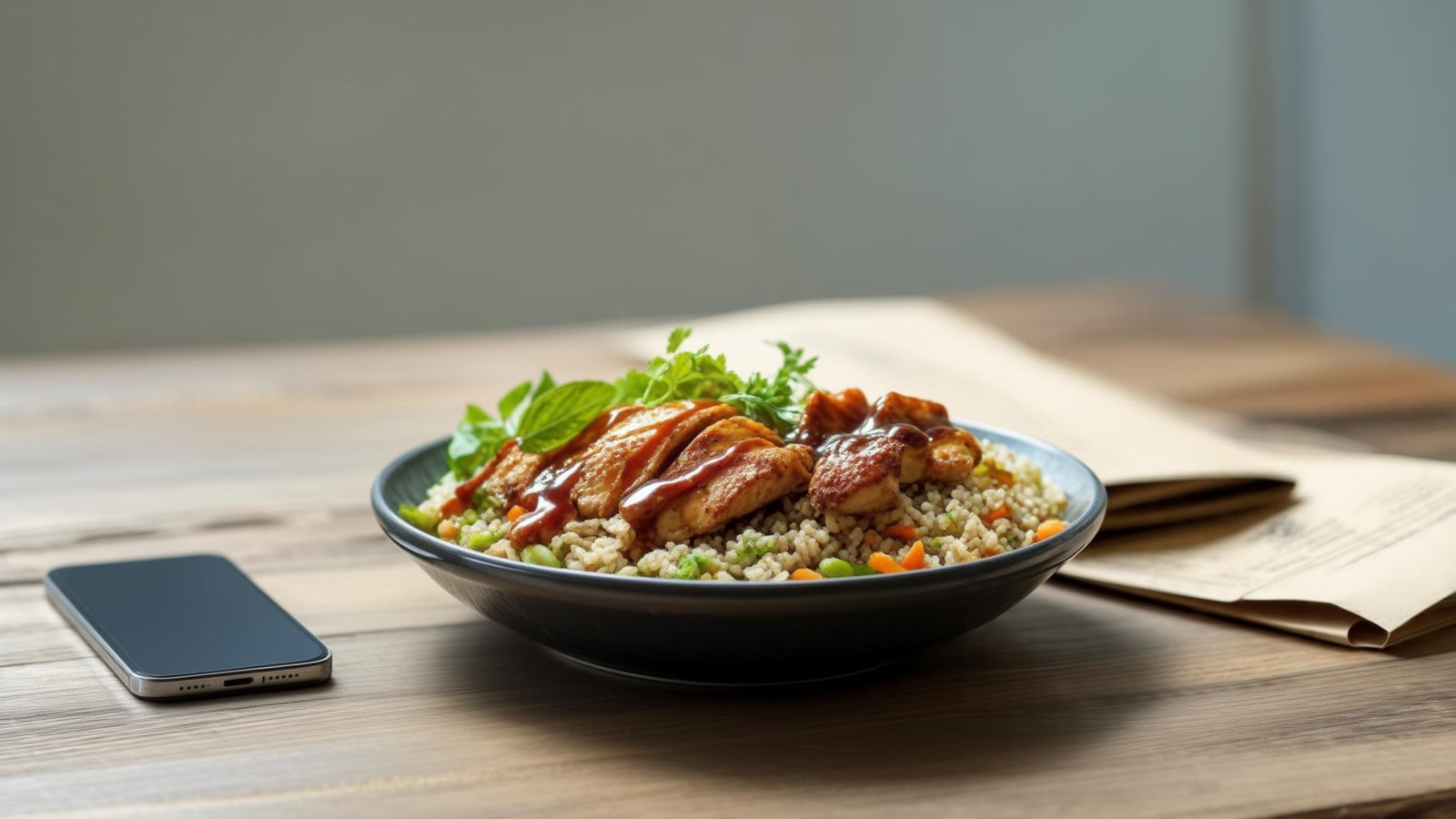
Use restaurant information before visual comparison
If the restaurant publishes nutrition for the exact item and size you ordered, begin there. In the United States, federal menu-labeling requirements apply to covered restaurants and similar establishments that are part of chains with twenty or more locations and offer substantially the same standard menu items. Smaller restaurants may publish information voluntarily. Match the location, item name, size, modifiers, and date when possible, because a similarly named meal from another restaurant is not the same recipe.
A menu calorie number is useful evidence, but it does not turn an individual plate into a laboratory measurement. Standard recipes can still vary in assembly, and your order may include substitutions, extra sauce, omitted toppings, or a different side. Log the published item as the foundation, then represent meaningful changes separately. Do not add an imaginary correction merely because the serving looks large; adjust only when you have a concrete difference such as a double protein portion or an unopened dressing cup.
Evidence for this section: U.S. Food and Drug Administration
Break an unpublished meal into major components
When no restaurant record exists, identify the few components that explain most of the meal: the main protein, starch, vegetables, cooking fat, sauce, cheese, toppings, and caloric drink. Search for records with the same preparation, such as fried rather than grilled or creamy rather than tomato-based. FoodData Central includes multiple data types and food descriptions, so read the record instead of choosing the first result whose name resembles the dish. A defensible comparison is more useful than a highly specific but unrelated branded entry.
Mixed dishes deserve a choice between two imperfect strategies. You can select one comparable composite dish, which is fast but hides ingredient assumptions, or log visible components, which is easier to edit but may not reproduce the recipe. Choose the representation you can explain. For a burrito bowl, separate rice, beans, meat, cheese, salsa, and guacamole if those portions are visible. For a blended curry with an unknown recipe, one comparable curry entry plus rice may be more honest than inventing every ingredient.
Evidence for this section: USDA Agricultural Research Service
Estimate portions with anchors you can actually see
Use available anchors before relying on memory. A menu may state ounces, pieces, or container size. A shared entrée can be divided by the fraction you ate. A sauce cup, bottle, slice count, or known side container can narrow the estimate. NIDDK portion guidance distinguishes the amount served from a label serving and offers familiar comparisons for portion awareness. These cues are still estimates, but they make your reasoning repeatable and easier to revise than an unexplained total chosen after the meal.
Photographing the plate can preserve component and portion clues, especially before sharing or eating. Capture the whole plate from a useful angle and include a familiar object only when doing so is natural. The camera cannot reveal oil absorbed during cooking, sugar in a glaze, or ingredients hidden beneath a topping. Add those elements when the menu or your order supports them. Avoid doubling every uncertain extra “to be safe”; systematic overestimation is still a form of inaccuracy.
Evidence for this section: National Institute of Diabetes and Digestive and Kidney Diseases
Represent uncertainty without abandoning the day
Choose a reasonable center estimate and move on. A restaurant log should not display confidence it did not earn, but uncertainty does not make the entry useless. If dinner might plausibly be somewhat higher or lower, the weekly pattern can still benefit from recording that dinner occurred and roughly what it contained. Do not compensate by skipping the next meal, assigning punishment exercise, or editing the number until the day matches a target. The record describes an event; it is not a verdict.
Spend attention where it can change the result. A cooking method, large starch portion, creamy sauce, alcoholic drink, or second serving usually deserves more review than lettuce or a garnish. If one restaurant meal remains uncertain, keep your other entries ordinary and complete. Repeated restaurant meals are a better candidate for deeper work: save the verified chain item, note your usual modifications, or create a personal meal after checking the typical portion. Solve recurring ambiguity once instead of performing the same investigation each visit.
Use the estimate in proportion to its quality
An exact restaurant record with the ordered size can support a more specific entry than a photograph of a one-off local dish. That distinction matters when interpreting trends. Do not let one uncertain meal drive a precise conclusion about metabolism, adherence, or a target adjustment. Look across enough reasonably complete days, and notice when a week contains several meals with wide uncertainty. The strength of the decision should match the strength of the observations behind it.
The practical standard is traceability: you should be able to say whether the entry came from the restaurant, a food database comparison, visible components, or a broad estimate. Tab lets you switch methods and edit components so the method can follow the evidence. When better information appears, correct the saved meal. When it does not, preserve the honest estimate, enjoy the social or practical reason you ate out, and continue with the next meal rather than treating uncertainty as failure.
Evidence for this section: U.S. Food and Drug Administration · USDA Agricultural Research Service
Important context
This article provides general information for adults and is not individualized medical, nutrition, or exercise advice. Talk with a qualified health professional about needs related to a health condition, pregnancy, medication, injury, or eating-disorder history.
Sources
- Menu and Vending Machine LabelingU.S. Food and Drug Administration · Accessed 2026-09-13
- About Us: FoodData CentralUSDA Agricultural Research Service · Accessed 2026-09-11
- Food Portions: Choosing Just Enough for YouNational Institute of Diabetes and Digestive and Kidney Diseases · Accessed 2026-09-11
About these guides
Tab publishes conservative, evidence-led explanations for everyday food logging and fitness decisions. Estimates remain estimates, and individual needs vary.
Read our editorial standardsKeep reading
Related guides
Food logging · 5 min read
Barcode, Nutrition Label, Search, or Photo: Which Logging Method Should You Use?
Use the most direct evidence available: a verified label for packaged food, a saved recipe for meals you cook repeatedly, database search for simple foods, and a photo when speed matters and the meal is visually identifiable. You can switch methods whenever the first result is weak.
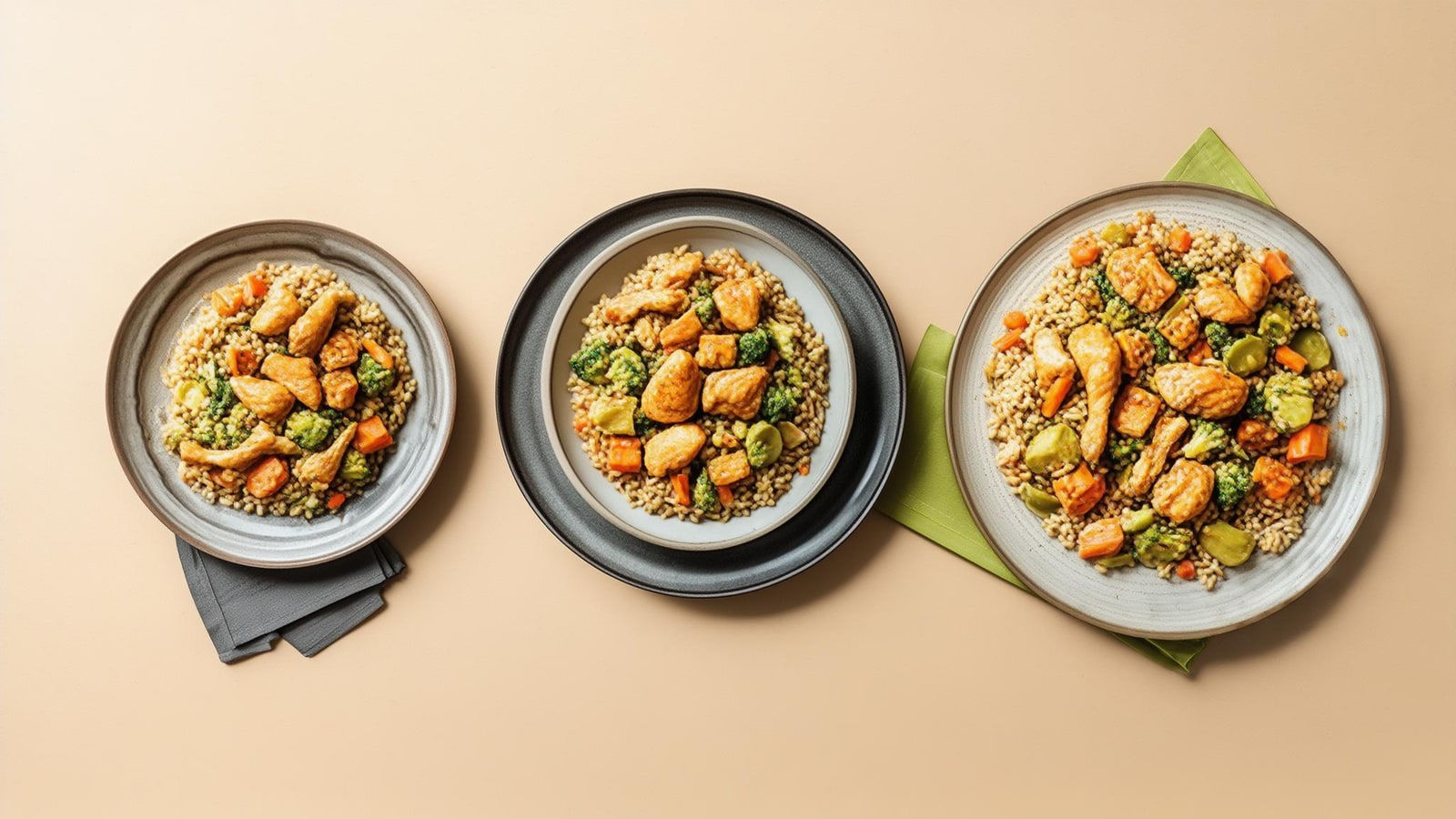
Food logging · 4 min read
How Portion Size Changes a Calorie Estimate
For a matched food record, nutrition changes in direct proportion to the edible gram weight. A 50 percent larger portion produces roughly 50 percent more of every nutrient in that record, which is why correcting the amount often matters more than chasing a different entry.
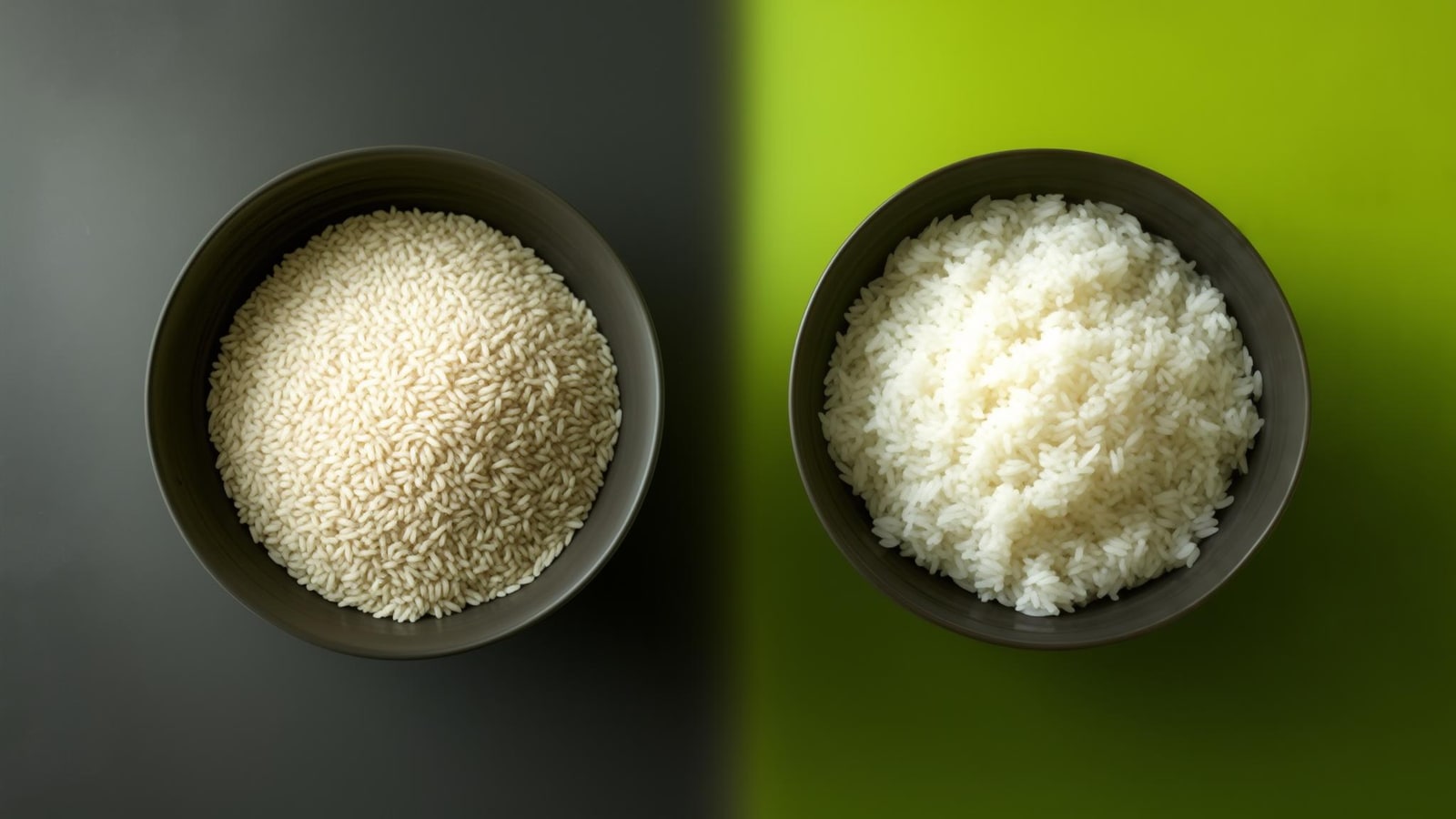
Food logging · 5 min read
Cooked vs. Raw Food Weights: Which One Should You Log?
Log the food in the state you weighed it. Use a raw record for a raw weight and a cooked record for a cooked weight. Cooking changes water and sometimes fat, so the same food can have a different weight and nutrient concentration after preparation.