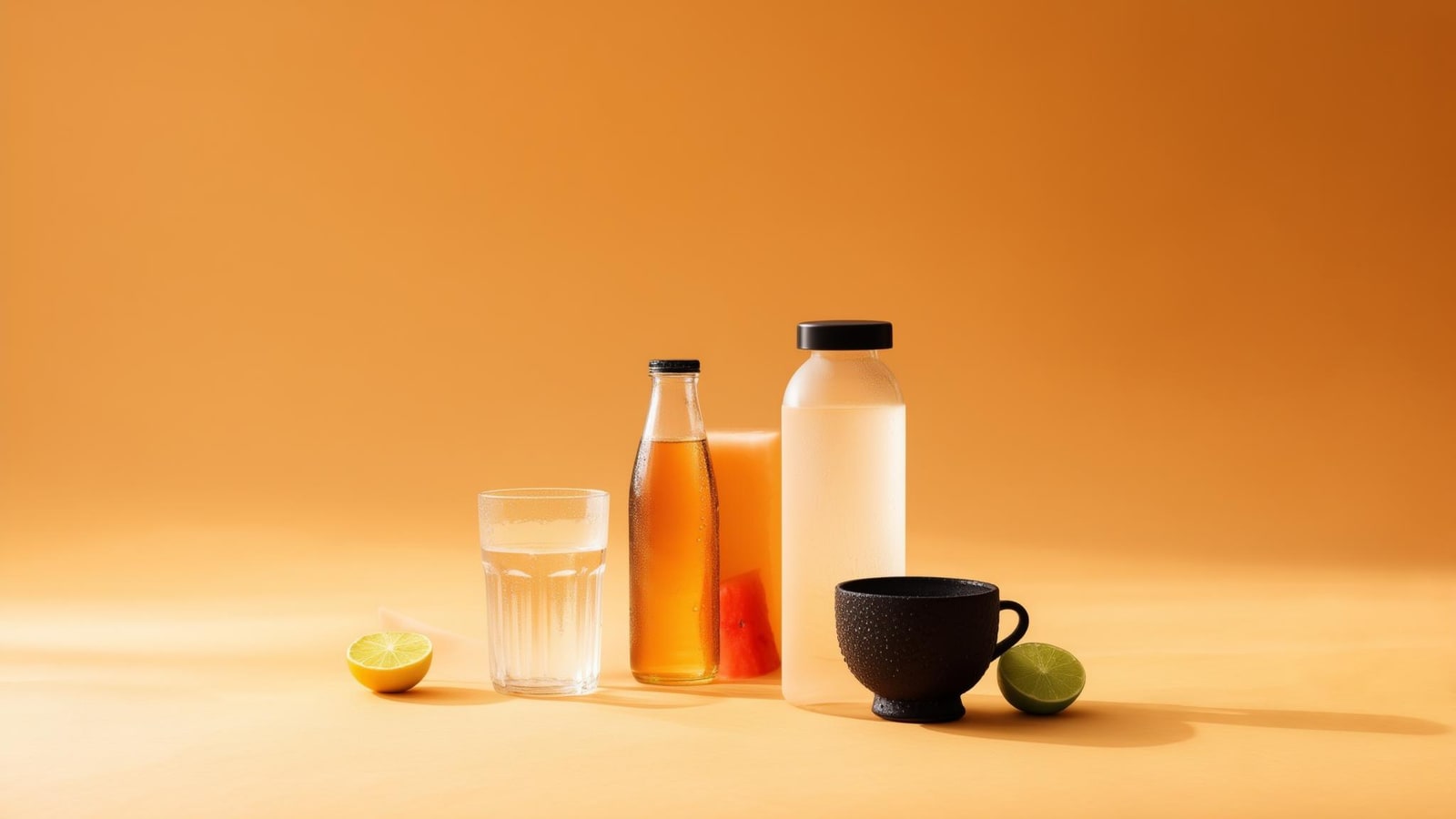
Count more than plain water
CDC explains that daily water intake comes mostly from water and other beverages, while foods with high water content also contribute. Plain water is a practical default because it has no calories, is widely available in many settings, and works with meals and activity. Coffee, tea, milk, fortified alternatives, sparkling water, soups, fruit, and vegetables can also contribute fluid. The nutritional context differs, but hydration is not limited to liquid poured from a plain-water bottle.
Beverage choice can serve more than one goal. Milk or a fortified alternative may provide nutrients; a sweetened drink adds energy; coffee and tea contain caffeine; alcohol has separate health considerations. Do not erase those differences by calling everything “just hydration.” At the same time, a cup of unsweetened tea does not stop counting as fluid because it is not plain water. Use labels and personal context when calories, caffeine, sodium, or ingredients matter.
Evidence for this section: Centers for Disease Control and Prevention
Avoid one number for every person
Fluid needs vary with age, sex, pregnancy, breastfeeding, activity, climate, and health. CDC specifically notes that more water may be needed in hot climates, during greater physical activity, and with fever, diarrhea, or vomiting. Body size and dietary pattern also change total intake. This variability is why an internet rule such as eight glasses cannot function as an individualized prescription. A useful plan responds to daily circumstances instead of treating every day as physiologically identical.
People with kidney, heart, endocrine, or other medical conditions may receive specific fluid instructions that differ from general advice. Some medications also affect fluid balance. Follow that clinical plan and ask the treating professional about changes. Pregnancy, breastfeeding, endurance training, outdoor labor, and acute illness can require more individualized attention. A food-logging app can record drinks, but it cannot diagnose hydration status or replace care when symptoms are concerning.
Evidence for this section: Centers for Disease Control and Prevention
Build cues into the day
Practical hydration begins with access. Keep a refillable bottle or cup where you work, include a drink with meals, refill before leaving home, and plan water access for travel or outdoor activity. If plain water is unappealing, temperature, sparkling water, or a slice of citrus may help. Choose a routine you can repeat without turning drinking into constant checking. The aim is to make an ordinary need easy to meet, not to collect the largest possible bottle.
Use broad observations rather than one perfect signal. Thirst, dry mouth, darker urine, heat exposure, sweating, and a change in routine can prompt attention, but none is a stand-alone diagnosis. Urine color can change because of food, supplements, or medication, and thirst responses vary. If you feel unwell, cannot keep fluids down, are confused, faint, or have severe symptoms, seek appropriate medical care instead of relying on a tracking target.
Evidence for this section: Centers for Disease Control and Prevention
Plan around activity and heat
Longer, hotter, or more intense activity generally increases sweat loss, but the amount differs widely. Begin sessions with ordinary hydration habits, bring fluid when duration or conditions warrant it, and restore access afterward. A short indoor walk and a long summer run do not need the same strategy. Clothing, acclimatization, humidity, body size, and individual sweat rate all matter. Avoid copying an athlete’s exact plan when the event, environment, and person are different.
Sports drinks are not automatically necessary for routine daily activity. They can provide carbohydrate and electrolytes in specific prolonged or high-sweat situations, but they also add ingredients and calories that may be unnecessary for a short session. Water and regular meals are often the simpler starting point. Anyone with a medical condition, a history of heat illness, or an endurance event plan should use event-specific professional guidance rather than a general website article.
Evidence for this section: U.S. Department of Health and Human Services · Centers for Disease Control and Prevention
Log drinks when the information helps
Recording beverages can answer practical questions: whether a sweetened coffee was omitted from the food log, whether alcohol clustered on certain days, or whether higher-fiber meals were paired with fluid. It does not require assigning a hydration score to every sip. Save common drinks with the actual size and ingredients, especially café orders that include milk, syrups, or toppings. Plain water can remain lightweight if detailed tracking adds no useful decision.
Review patterns in context. A hotter week, travel day, illness, or new exercise schedule can explain a change without establishing a permanent target. Increase access before increasing rules. If your current routine works and symptoms are absent, more tracking may not improve it. If thirst or urination changes persist without an obvious reason, discuss that pattern with a qualified professional. Hydration is part of health, but it is not a competition and more fluid is not always harmless.
Evidence for this section: Centers for Disease Control and Prevention · National Institute of Diabetes and Digestive and Kidney Diseases
Important context
This article provides general information for adults and is not individualized medical, nutrition, or exercise advice. Talk with a qualified health professional about needs related to a health condition, pregnancy, medication, injury, or eating-disorder history.
Sources
- About Water and Healthier DrinksCenters for Disease Control and Prevention · Accessed 2026-09-13
- Eating, Diet, and Nutrition for ConstipationNational Institute of Diabetes and Digestive and Kidney Diseases · Accessed 2026-09-13
- Physical Activity Guidelines for Americans, Second EditionU.S. Department of Health and Human Services · Accessed 2026-09-11
About these guides
Tab publishes conservative, evidence-led explanations for everyday food logging and fitness decisions. Estimates remain estimates, and individual needs vary.
Read our editorial standardsKeep reading
Related guides
Nutrition · 4 min read
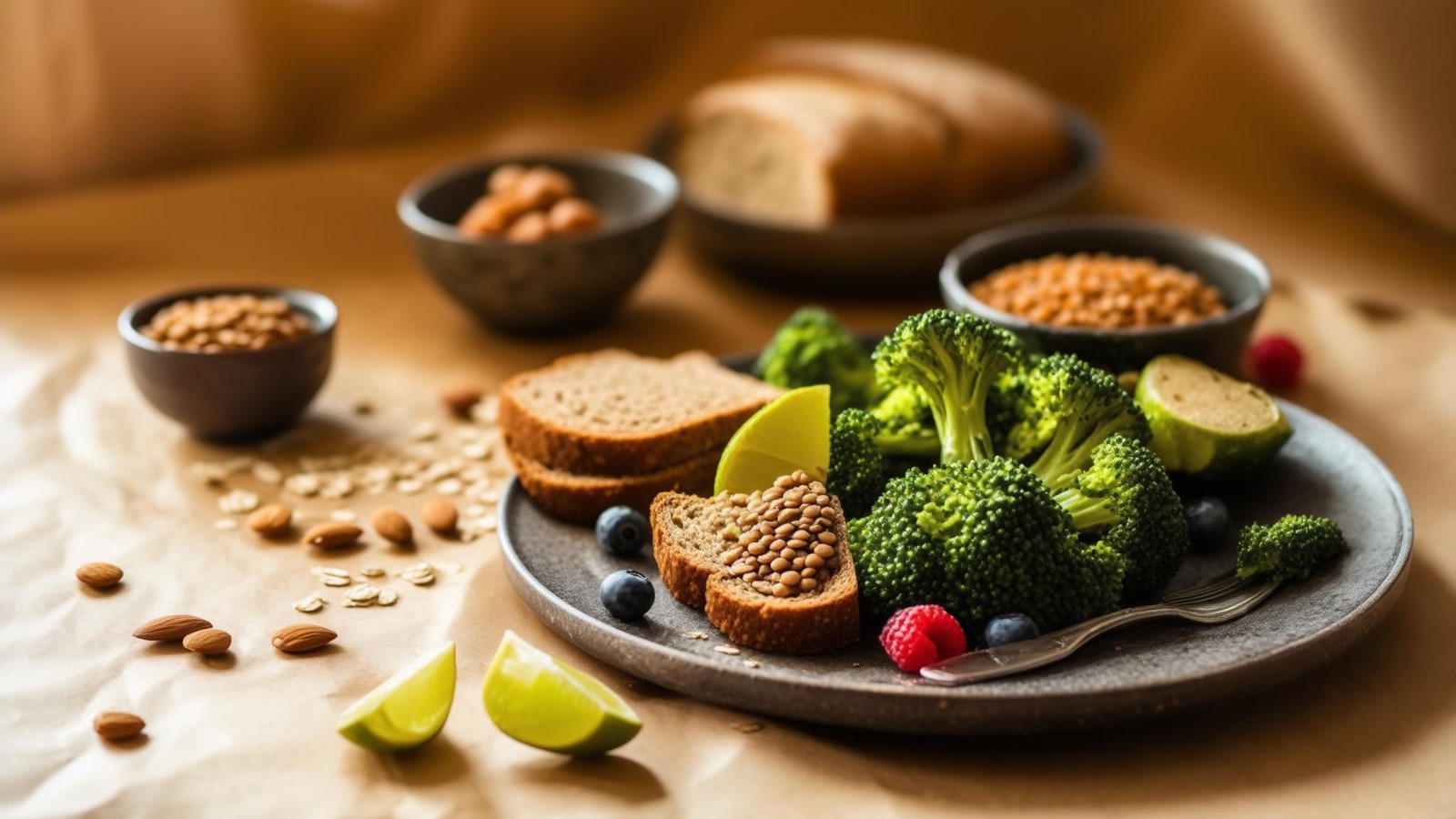
How Much Fiber Do You Need — and How Should You Increase It?
Adult fiber needs vary, and general guidance commonly falls between 22 and 34 grams a day depending on age and sex. Increase fiber gradually, spread it across foods and meals, and drink enough fluid rather than making a sudden jump that leaves you uncomfortable.

Fitness · 4 min read
How to Build a Walking Routine You Can Actually Sustain
Start with a duration and pace you can repeat, attach walks to reliable cues, and add time or frequency gradually. Brisk walking can contribute to adult aerobic-activity guidance, while easier walking still adds movement and can be a practical starting point.
Nutrition · 4 min read
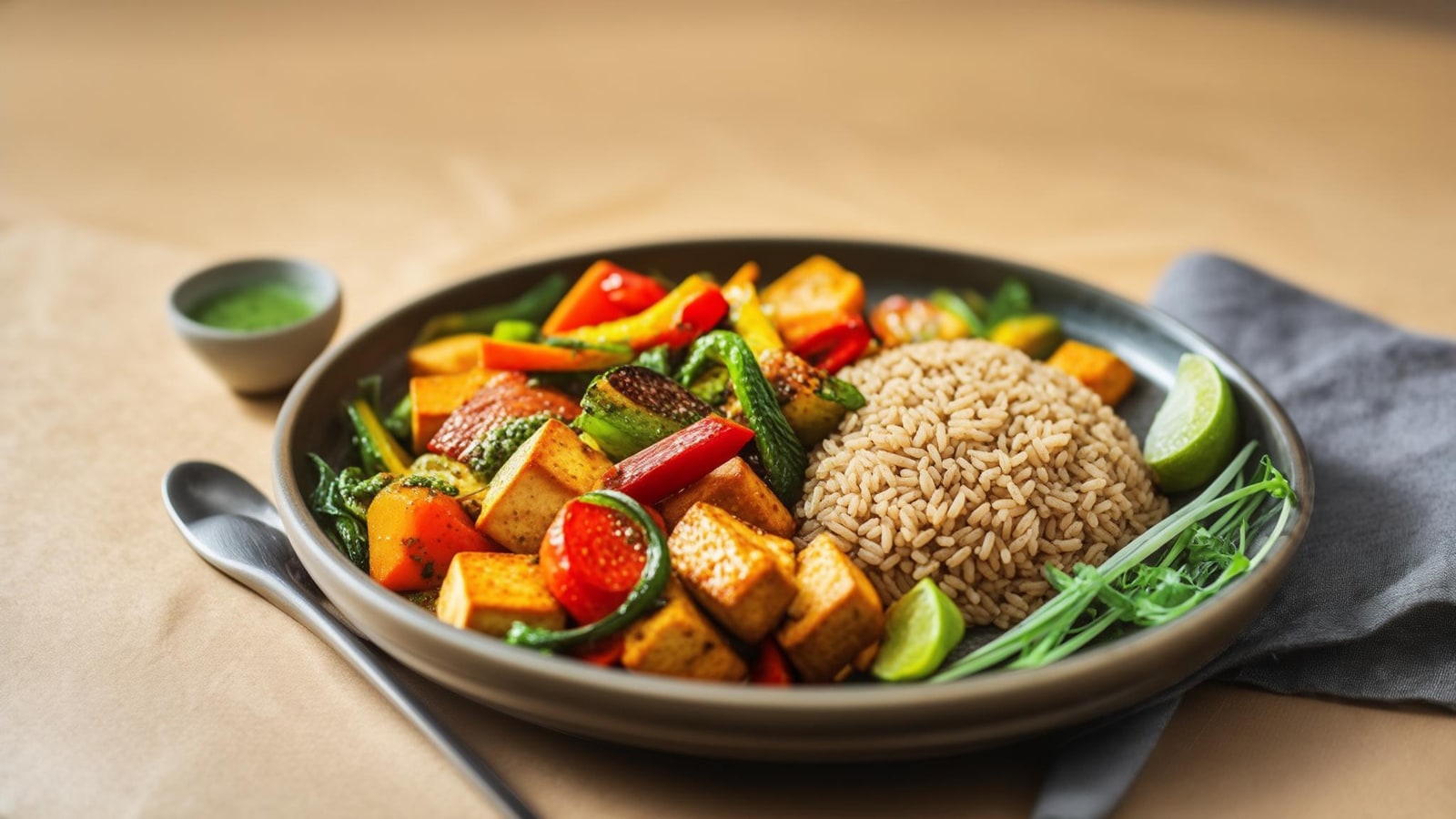
How to Build a Balanced Plate Without Tracking Every Gram
Build most meals from a produce component, a protein source, a grain or other starch when wanted, and flavor or fat that makes the meal satisfying. Treat the plate as a flexible visual prompt, not a prescription or a substitute for individualized nutrition care.