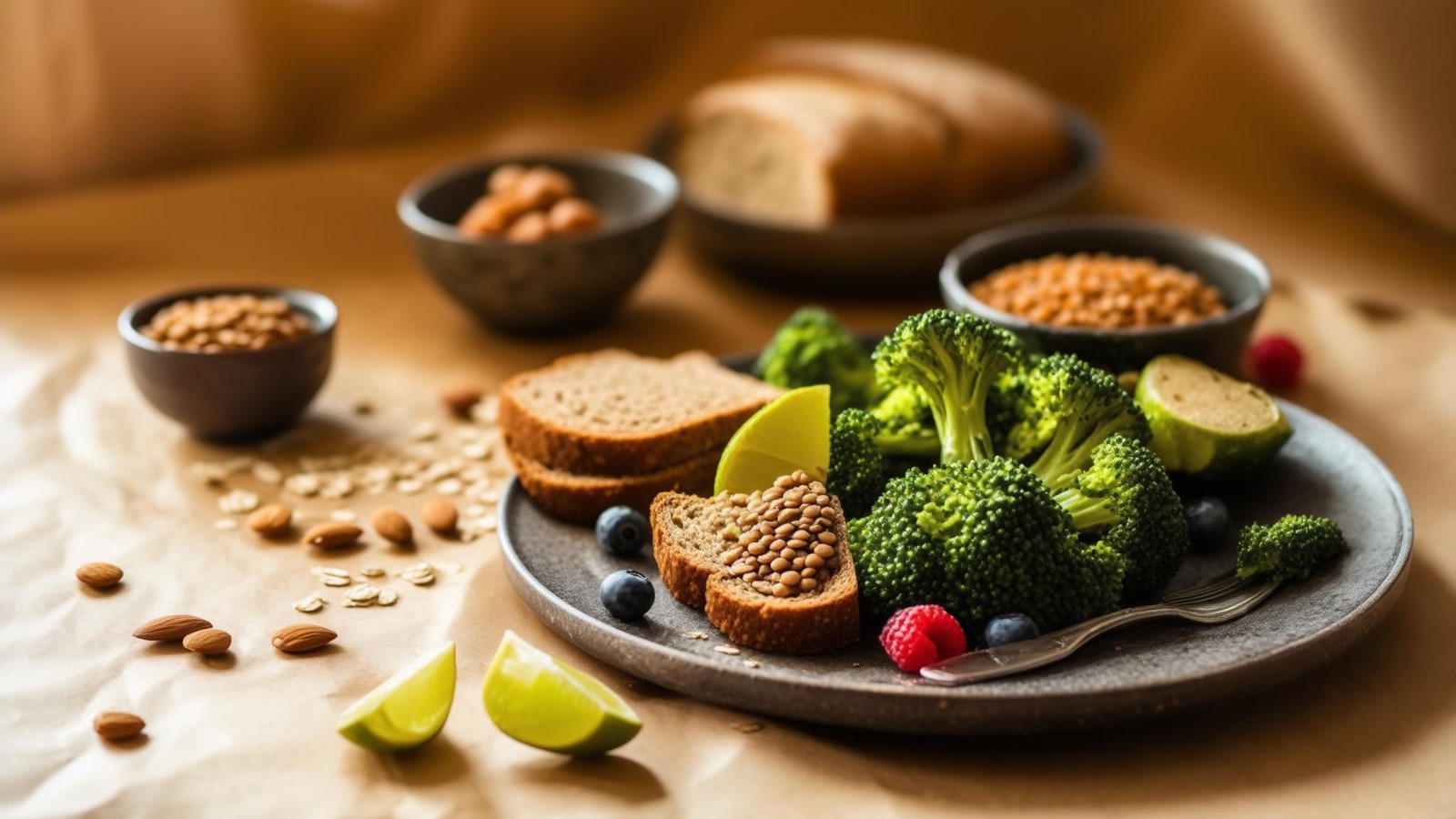
Start with a range, not one universal number
NIDDK notes that adults generally need about 22 to 34 grams of fiber a day depending on age and sex. That is population guidance, not a personalized prescription. Energy intake, gastrointestinal conditions, medications, pregnancy, and clinical goals can change what is appropriate. If you have persistent digestive symptoms or have been told to restrict fiber, use professional guidance rather than treating the general range as a target you must reach immediately.
A single day below a guideline is not a diagnosis, and one unusually high day does not establish a pattern. Look at the foods you eat across several ordinary days. Tracking can estimate fiber when the food record contains it, but branded and restaurant entries may be incomplete. Use the number as a prompt to notice patterns—few plants, limited whole grains, or repeated low-fiber convenience meals—rather than as a demand for perfect daily precision.
Evidence for this section: National Institute of Diabetes and Digestive and Kidney Diseases
Increase fiber gradually
NIDDK recommends adding fiber a little at a time so the body can adjust. A sudden jump from a low-fiber pattern to large servings of bran, legumes, and raw vegetables can increase gas, bloating, or discomfort. Add one dependable source, keep it for several days, and notice how you respond before adding another. Gradual does not need to mean slow forever; it means giving symptoms and routine enough time to provide useful feedback.
Make the change concrete. Add berries or oats at breakfast, choose a whole-grain bread you like, include beans in one lunch, or add a cooked vegetable at dinner. Increasing every meal at once makes it difficult to know what helped or caused discomfort. Preparation can matter: cooked vegetables or well-rinsed canned beans may feel different from large portions of raw produce. Personal tolerance varies, so keep the experiment modest and repeatable.
Evidence for this section: National Institute of Diabetes and Digestive and Kidney Diseases
Build variety across food groups
Fiber comes from plant foods such as whole grains, legumes, fruits, vegetables, nuts, and seeds. Different foods bring different textures and nutrients, so relying on one supplement or a single high-fiber product is not the same as building dietary variety. Pair sources with meals you already eat: lentils in soup, beans in tacos, vegetables in pasta, fruit with yogurt, nuts on oatmeal, or whole-grain crackers with a snack. Familiar combinations lower friction.
Read labels when comparing packaged foods, but check serving size before comparing grams of fiber. Two breads may look different because one serving lists one slice and another lists two. Ingredients also matter for allergies and tolerance. “High fiber” on the front of a package does not make the entire food automatically suitable for you. Choose the product in the context of taste, total pattern, budget, sodium, added sugars, and any clinical needs.
Evidence for this section: National Institute of Diabetes and Digestive and Kidney Diseases · U.S. Department of Agriculture
Remember fluid and movement
NIDDK advises drinking water and other liquids to help fiber work better, while CDC explains that water needs vary with factors such as age, pregnancy, activity, climate, fever, vomiting, and diarrhea. There is no single number of glasses that fits everyone. Foods and multiple beverages contribute fluid. Build a practical routine—water with meals, a bottle during work, or extra attention around heat and exercise—rather than forcing an arbitrary total disconnected from context.
Regular activity can also support general health and routine, but fiber, water, and walking are not substitutes for evaluation of persistent symptoms. Severe pain, blood, ongoing constipation or diarrhea, unexplained weight change, or symptoms that interfere with eating deserve medical attention. Do not keep escalating fiber to solve every digestive problem. More is not always better, and some conditions require temporary modification under professional care.
Evidence for this section: National Institute of Diabetes and Digestive and Kidney Diseases · Centers for Disease Control and Prevention
Track the foods before optimizing the number
For one week, note the main fiber sources rather than chasing exact grams. Ask whether most days include fruit, vegetables, legumes, whole grains, nuts, or seeds in combinations you enjoy. Then add the easiest missing opportunity. This food-first review is resilient when a database record lacks a fiber field. If you do use Tab’s micronutrient view, treat incomplete entries cautiously and verify frequently eaten packaged foods against the current label.
Progress can look like repeating one higher-fiber breakfast, replacing one refined grain some days, or adding beans to a familiar dish. Keep satisfaction and adequate intake in view; a fiber goal should not crowd out protein, energy, or culturally important foods. If a gradual change feels good, keep it. If symptoms worsen, step back and seek individualized help. The useful outcome is a varied pattern you can maintain, not the largest fiber number you can produce.
Evidence for this section: U.S. Department of Health and Human Services and U.S. Department of Agriculture · National Institute of Diabetes and Digestive and Kidney Diseases
Important context
This article provides general information for adults and is not individualized medical, nutrition, or exercise advice. Talk with a qualified health professional about needs related to a health condition, pregnancy, medication, injury, or eating-disorder history.
Sources
- Eating, Diet, and Nutrition for ConstipationNational Institute of Diabetes and Digestive and Kidney Diseases · Accessed 2026-09-13
- Dietary Guidelines for AmericansU.S. Department of Health and Human Services and U.S. Department of Agriculture · Accessed 2026-09-11
- MyPlate.govU.S. Department of Agriculture · Accessed 2026-09-13
- About Water and Healthier DrinksCenters for Disease Control and Prevention · Accessed 2026-09-13
About these guides
Tab publishes conservative, evidence-led explanations for everyday food logging and fitness decisions. Estimates remain estimates, and individual needs vary.
Read our editorial standardsKeep reading
Related guides
Nutrition · 4 min read
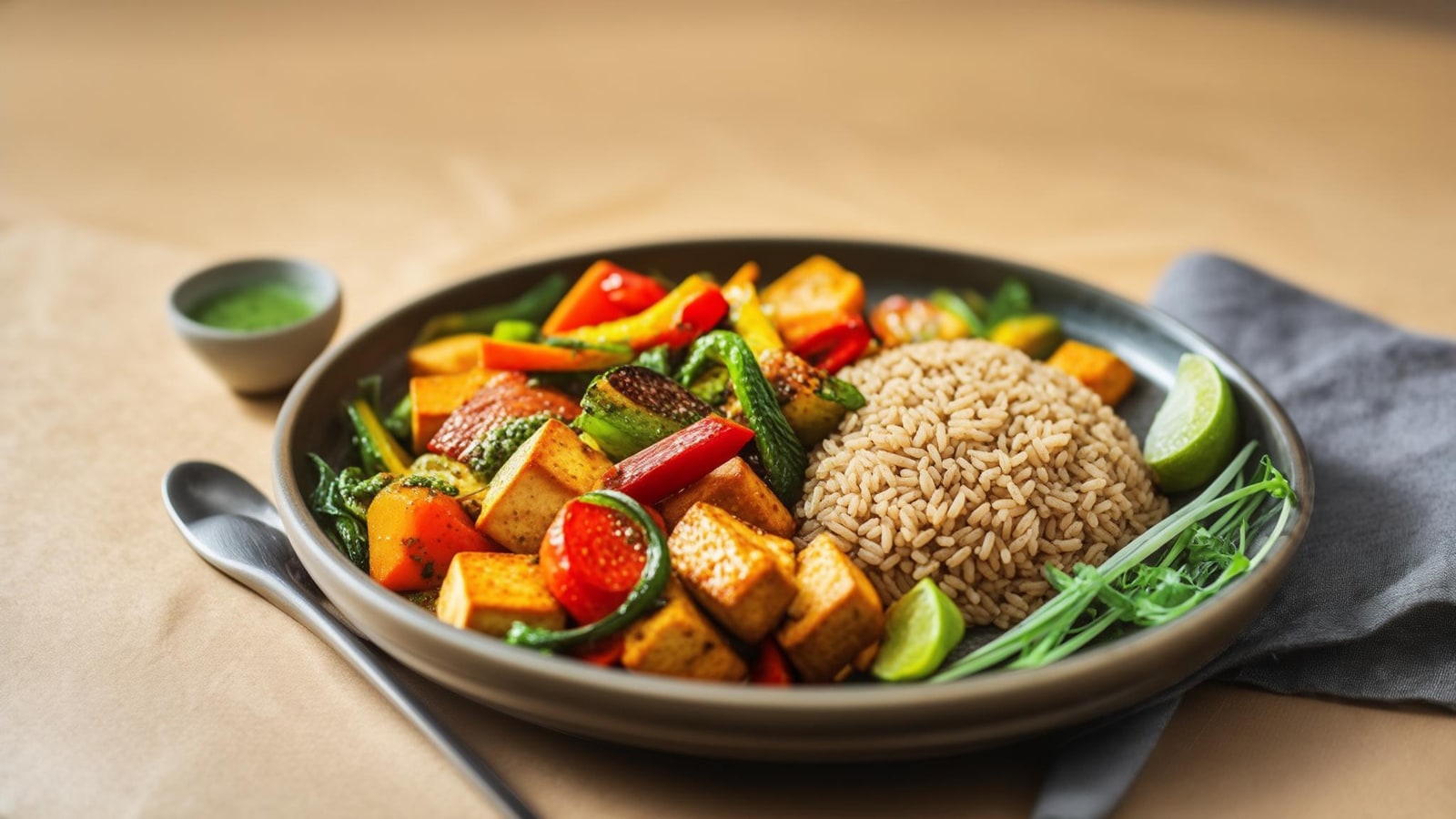
How to Build a Balanced Plate Without Tracking Every Gram
Build most meals from a produce component, a protein source, a grain or other starch when wanted, and flavor or fat that makes the meal satisfying. Treat the plate as a flexible visual prompt, not a prescription or a substitute for individualized nutrition care.
Nutrition · 4 min read
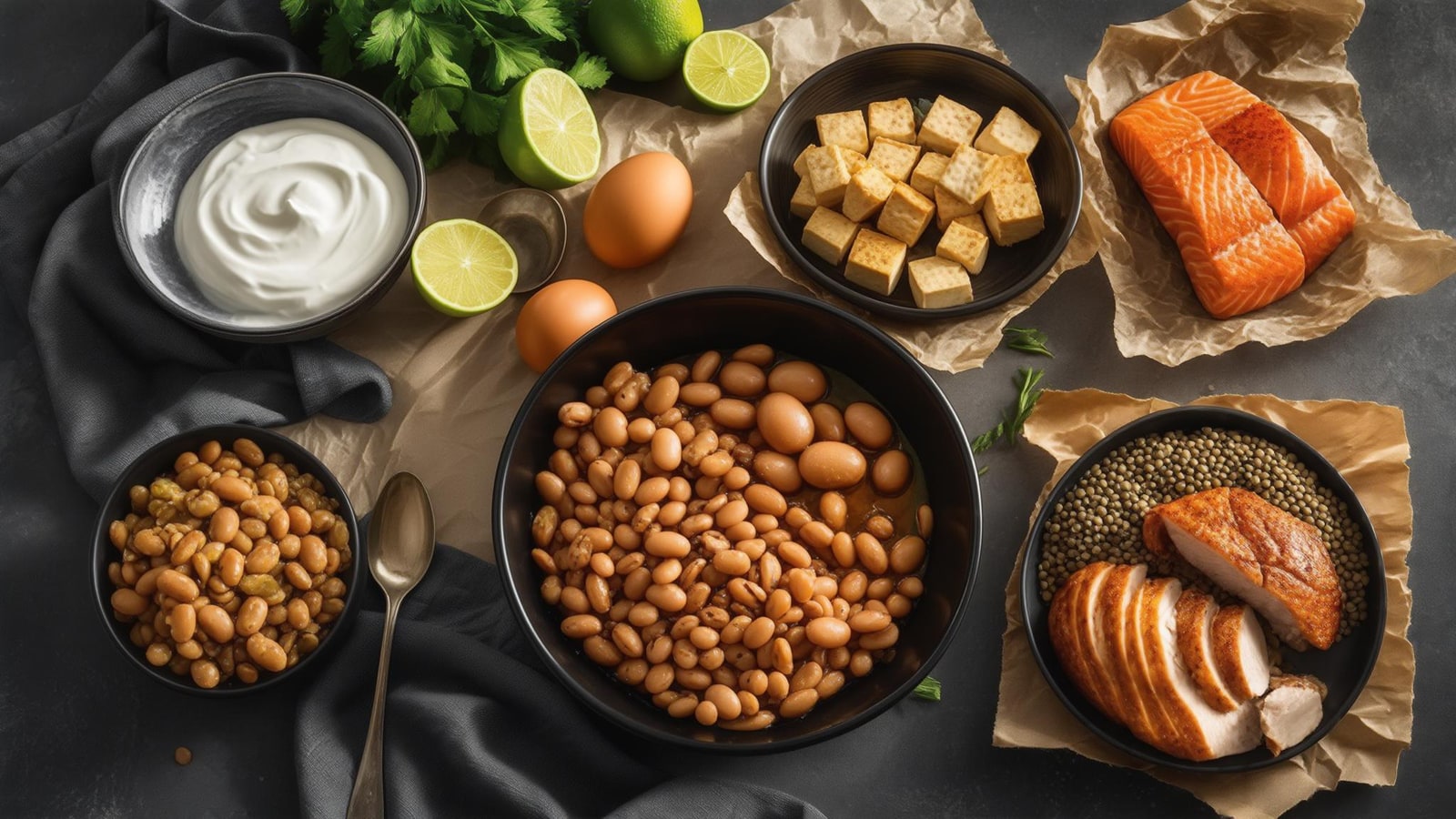
High-Protein Foods That Fit an Everyday Grocery List
Choose several protein foods you already enjoy across refrigerated, frozen, and shelf-stable categories. Pair quick options with ingredients for cooked meals, compare labels when products vary, and buy enough variety that reaching protein does not mean eating the same dish every day.
Nutrition · 4 min read
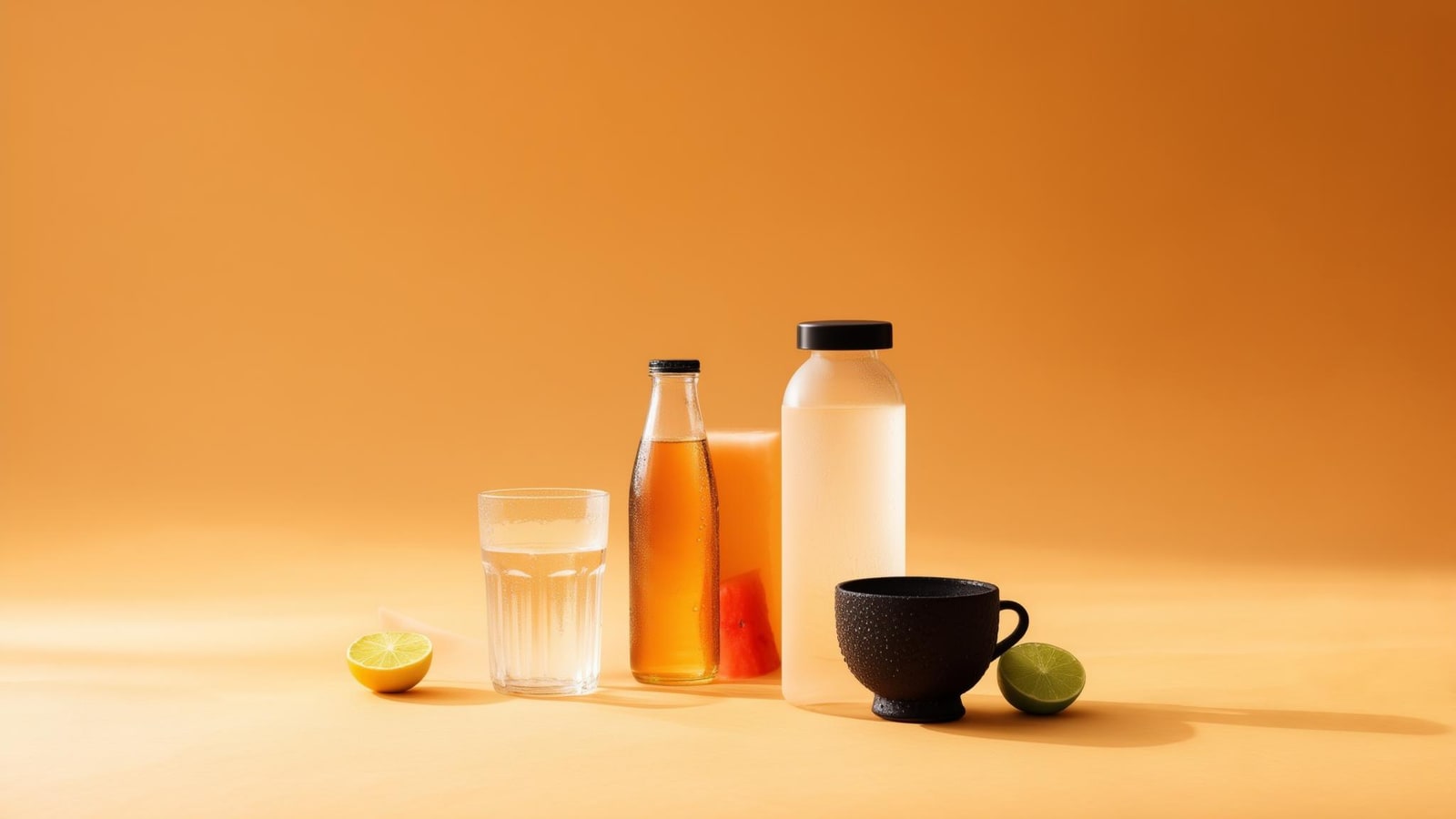
Hydration: What Counts and When Might You Need More?
Water, other beverages, and water-rich foods all contribute to fluid intake. Needs vary by person and circumstance, especially with heat, physical activity, pregnancy, breastfeeding, fever, vomiting, or diarrhea, so use context and symptoms instead of a universal eight-glass rule.